
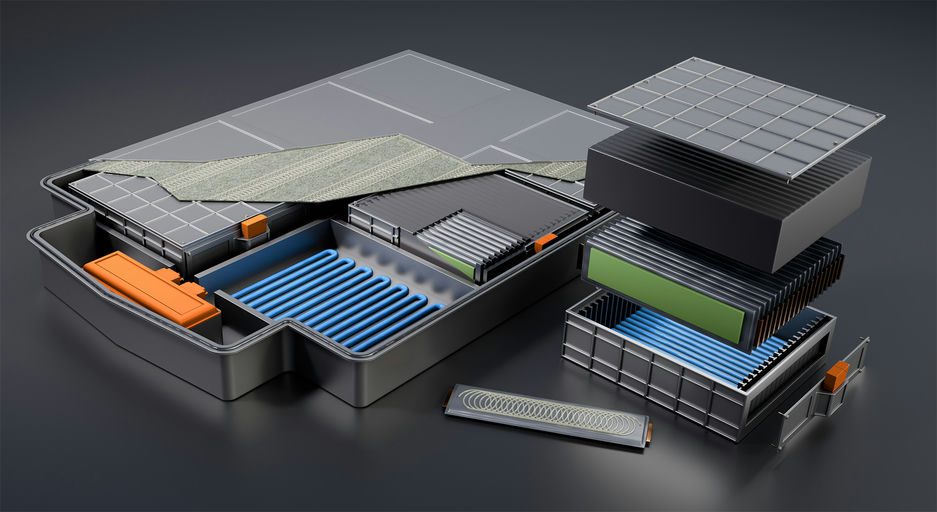
Key Takeaways (TL;DR)
- Effective battery thermal management is paramount for ensuring the safety, optimizing performance, and extending the longevity of electric vehicle (EV) batteries.
- Advanced material solutions, including specialized adhesives, gap fillers, and protective coatings, are becoming indispensable in achieving precise heat control within battery systems.
- These innovative materials directly address critical engineering challenges, facilitating superior thermal conductivity, robust electrical insulation, and enhanced structural integrity within battery packs.
- Integrating smart material choices early in the battery design and development process is crucial for creating optimized, high-performing, and safe battery systems.
- Experts from H.B. Fuller will conduct a complimentary webinar on September 17, 2026, to impart foundational knowledge and real-world examples on these transformative material applications, as part of the broader Virtual Conference on EV Engineering from September 14 to 17, 2026.
The relentless pursuit of higher performance, extended range, and uncompromising safety in electric vehicles (EVs) hinges significantly on one critical factor: sophisticated battery thermal management. Behind every high-performing battery pack lies a meticulously engineered strategy to control temperature, a challenge that advanced material science is increasingly addressing.
Engineers are now exploring how the very materials holding battery components together can simultaneously serve as crucial elements in maintaining optimal operating temperatures, providing robust protection, and significantly enhancing overall safety.

The Imperative of Battery Thermal Management
Efficient thermal management is not merely an optional feature; it is a foundational requirement for modern EV battery systems. Batteries generate substantial heat during charging, discharging, and even under idle conditions. Unmanaged heat can lead to a cascade of negative effects, impacting everything from immediate operational safety to long-term economic viability.
Crucially, effective battery thermal management prevents thermal runaway, a catastrophic chain reaction that can result in fire or explosion. Beyond safety, maintaining optimal temperatures is key to maximizing battery performance, ensuring consistent power delivery, and facilitating rapid charging capabilities without undue stress on the cells.
Furthermore, proper thermal control directly correlates with battery longevity. Extreme temperatures accelerate degradation, reducing a battery’s cycle life and overall service lifespan. This directly affects the total cost of ownership for EVs and the sustainability of the technology.

Advanced Materials: The Core of Effective Heat Control
The evolution of battery thermal management is increasingly reliant on innovative material solutions. Advanced adhesives, specialized gap fillers, and protective coatings are transforming battery design by offering multi-functional capabilities that manage heat, improve structural integrity, and enhance safety features simultaneously.
Adhesives and Structural Integrity
Modern battery packs comprise thousands of individual cells that must be securely housed and connected. Specialized adhesives play a dual role here: they provide robust structural bonding, ensuring the mechanical stability of the battery pack, while also offering crucial electrical insulation between cells and modules.
These adhesives also contribute to vibration dampening, protecting sensitive components from mechanical stress during vehicle operation. When formulated with thermally conductive properties, they can act as pathways for heat dissipation, moving thermal energy away from critical points.
Thermal Interface Materials (TIMs) and Gap Fillers
To effectively transfer heat from individual battery cells to a cooling system, excellent thermal contact is essential. This is where thermal interface materials (TIMs) and gap fillers become indispensable.
These materials are designed to fill microscopic air gaps between heat-generating components (like battery cells) and heat sinks or cooling plates. By doing so, they eliminate thermal resistance, significantly improving the efficiency of heat transfer and ensuring that cooling systems can operate at their peak.
Protective Coatings for Enhanced Safety
Beyond heat transfer, battery safety is paramount. Protective coatings offer an additional layer of defense. These coatings can provide superior electrical insulation, preventing short circuits within the complex battery architecture. Many are also engineered with flame-retardant properties, slowing or containing the spread of fire in the event of an incident.
Moreover, certain coatings offer environmental protection, safeguarding battery components from moisture, dust, and corrosive elements, which can compromise performance and safety over time.
Navigating Engineering Challenges in Battery Design
Battery engineers continuously grapple with a myriad of challenges in designing high-performance, safe, and cost-effective battery systems. The integration of advanced materials offers potent solutions to several of these hurdles.
Thermal Runaway Mitigation
Perhaps the most critical challenge is mitigating the risk of thermal runaway. Innovative materials, particularly those with inherent fire-retardant properties or high thermal conductivity for rapid heat dissipation, are fundamental to designing battery packs that can either prevent runaway events or contain them effectively should they occur.
Optimizing Performance and Longevity
Balancing power density with thermal management is a delicate act. Engineers must select materials that offer optimal thermal performance without adding excessive weight or volume to the battery pack. The right materials can help achieve higher energy densities while maintaining safe operating temperatures, directly translating to improved vehicle range and power.
Manufacturing Efficiency and Cost-Effectiveness
The choice of materials also significantly impacts manufacturing processes. Adhesives and gap fillers that cure quickly or are easy to dispense can streamline production lines, reducing manufacturing time and costs. Custom-formulated solutions can also minimize material waste and optimize assembly processes, contributing to overall economic efficiency.
Strategic Design Decisions: Impact of Early Material Integration
The profound impact of material choices on battery performance, safety, and manufacturing efficiency underscores the importance of making smart design decisions early in the development process. Integrating material considerations from the conceptual stage, rather than as an afterthought, is crucial.
Designing for Performance from Inception
By involving material experts at the outset, engineers can design battery packs where the thermal properties of adhesives and coatings are an intrinsic part of the system architecture. This proactive approach ensures that the chosen materials complement and enhance the overall thermal management strategy, leading to a more efficient and reliable end product.
Ensuring Safety Standards Compliance
Early material selection also allows for thorough testing and validation against stringent industry safety standards. Selecting materials that inherently meet or exceed requirements for flame retardancy, electrical insulation, and structural integrity can prevent costly redesigns and delays later in the development cycle.
H.B. Fuller’s Role in Custom Adhesive Solutions
Leading material science companies like H.B. Fuller are at the forefront of this innovation, partnering with customers to develop highly specific, custom-formulated adhesive solutions. These partnerships are essential for addressing the unique design and manufacturing needs of diverse battery architectures.
Collaborative Development and Expertise
H.B. Fuller leverages its extensive experience and expertise to co-create solutions tailored to particular battery chemistries, cell formats, and thermal requirements. Their deep understanding of material properties allows them to engineer adhesives and thermal interface materials that precisely meet the demands of advanced EV battery systems, from thermal conductivity to structural integrity.
Driving Innovation in Material Science
Through continuous research and development, H.B. Fuller contributes significantly to the advancement of materials science for EV applications. Their commitment to innovation helps power the future by enabling safer, more reliable, and higher-performing battery technologies.
Upcoming Webinar: A Deep Dive into Battery Thermal Management by Design
Industry professionals, engineers, and anyone keen to deepen their understanding of battery technology are invited to a compelling webinar titled “Battery thermal management by design.” This session promises an engaging introduction to the intricate world of thermal management, presented by Mekiyah Bailey and Jeremy Chang from H.B. Fuller.
Attendees will gain foundational knowledge and insights into how advanced adhesives, gap fillers, and protective coatings are fundamentally transforming battery design. The session will feature real-world examples, illustrating the significant impact that informed material choices can have on heat management, performance optimization, and safety enhancement within battery systems.
Key Learning Outcomes
Participants can expect to discover why thermal management is non-negotiable for battery safety and performance, and how specific adhesive and thermal materials actively control heat while safeguarding critical components. The webinar will also illuminate common challenges faced by battery engineers and present how innovative materials provide effective solutions.
Furthermore, the session will highlight H.B. Fuller’s collaborative approach in developing custom-formulated adhesive solutions tailored to unique battery design and manufacturing requirements, emphasizing the critical importance of early-stage design decisions.
This valuable session is scheduled for Sep 17, 2026, at 10:30 am EDT. Registration is open now and is entirely free of charge, offering an accessible opportunity to learn from industry leaders.
The Broader Context: Virtual Conference on EV Engineering 2026
The H.B. Fuller webinar is a highlight within the comprehensive Virtual Conference on EV Engineering, broadcast live from September 14 to 17, 2026. This prestigious online event serves as a crucial platform for exploring the entire EV engineering supply chain and ecosystem.
Comprehensive Coverage of the EV Ecosystem
The conference program encompasses a wide array of vital topics, including cutting-edge developments in motor and power electronics design and manufacturing, advancements in cell development and battery systems, and rigorous testing methodologies. Attendees can also delve into powertrains, thermal management strategies, circuit protection, wire and cable innovations, and critical aspects of EMI/EMC compliance.
For a complete overview of all available sessions and to register for other free webinars, attendees can See the complete session list for the Virtual Conference on EV Engineering here.
Don’t miss this unparalleled opportunity to learn how the right material science advancements can profoundly impact the future, paving the way for the development of safer, more reliable, and ultimately more efficient battery technologies that power the next generation of electric vehicles.
Frequently Asked Questions (FAQ)
What is battery thermal management?
Battery thermal management refers to the systems and strategies employed to maintain optimal operating temperatures within a battery pack. This includes dissipating excess heat during operation and charging, or warming the battery in cold conditions, to ensure safety, performance, and longevity.
Why is thermal management critical for EV batteries?
It’s critical for several reasons: preventing thermal runaway (a safety hazard leading to fire), optimizing power output and charging speed, and extending the battery’s lifespan by mitigating degradation caused by extreme temperatures. Effective thermal management directly impacts EV range and reliability.
How do advanced materials contribute to thermal management?
Advanced materials like specialized adhesives, gap fillers, and protective coatings contribute by providing thermal conductivity, electrical insulation, structural bonding, and flame retardancy. They facilitate efficient heat transfer, protect components from environmental factors, and enhance overall battery safety and performance.
What challenges do battery engineers face in thermal management?
Engineers face challenges such as preventing thermal runaway, optimizing performance without adding excessive weight or volume, ensuring high energy density, and achieving cost-effective, efficient manufacturing processes while adhering to stringent safety standards.
When is the H.B. Fuller webinar on battery thermal management?
The webinar titled “Battery thermal management by design,” featuring experts from H.B. Fuller, is scheduled to take place on September 17, 2026, at 10:30 am EDT. It is part of the broader Virtual Conference on EV Engineering.
What is the Virtual Conference on EV Engineering?
The Virtual Conference on EV Engineering is an online event broadcast live from September 14 to 17, 2026. It covers the entire EV engineering supply chain and ecosystem, including motor design, battery systems, thermal management, testing, and power electronics, among other critical topics.
Who are the presenters for the H.B. Fuller webinar?
The engaging introduction to battery thermal management by design will be presented by Mekiyah Bailey and Jeremy Chang, both experts from H.B. Fuller. They will share foundational knowledge and real-world examples.
Is the webinar free to attend?
Yes, the webinar on “Battery thermal management by design” presented by H.B. Fuller, as well as many other sessions within the Virtual Conference on EV Engineering, are free to attend. Registration is required to reserve your spot.