
Key Takeaways
- Tesla has extended its innovative Powershare vehicle-to-home (V2H) capability to the Model 3 and Model Y, marking a significant advancement for electric vehicle utility.
- Previously exclusive to the Cybertruck, this feature now allows popular Tesla sedans and SUVs to serve as emergency power sources during blackouts.
- To utilize this functionality, Model 3 and Model Y owners will need Tesla’s Powerwall battery storage system and a Wall Connector, representing an investment of approximately $15,000 for the Powerwall 3 (including installation) and an additional $585 for the Wall Connector.
- The integrated system enables these vehicles to output 15 kW of power to the home, potentially extending backup duration by two days for households consuming 30 kWh daily.
- The Cybertruck, by contrast, requires a less complex setup, utilizing a Universal Wall Connector and a Powershare Gateway, available as a $1,970 bundle due to its onboard DC-to-AC converter.
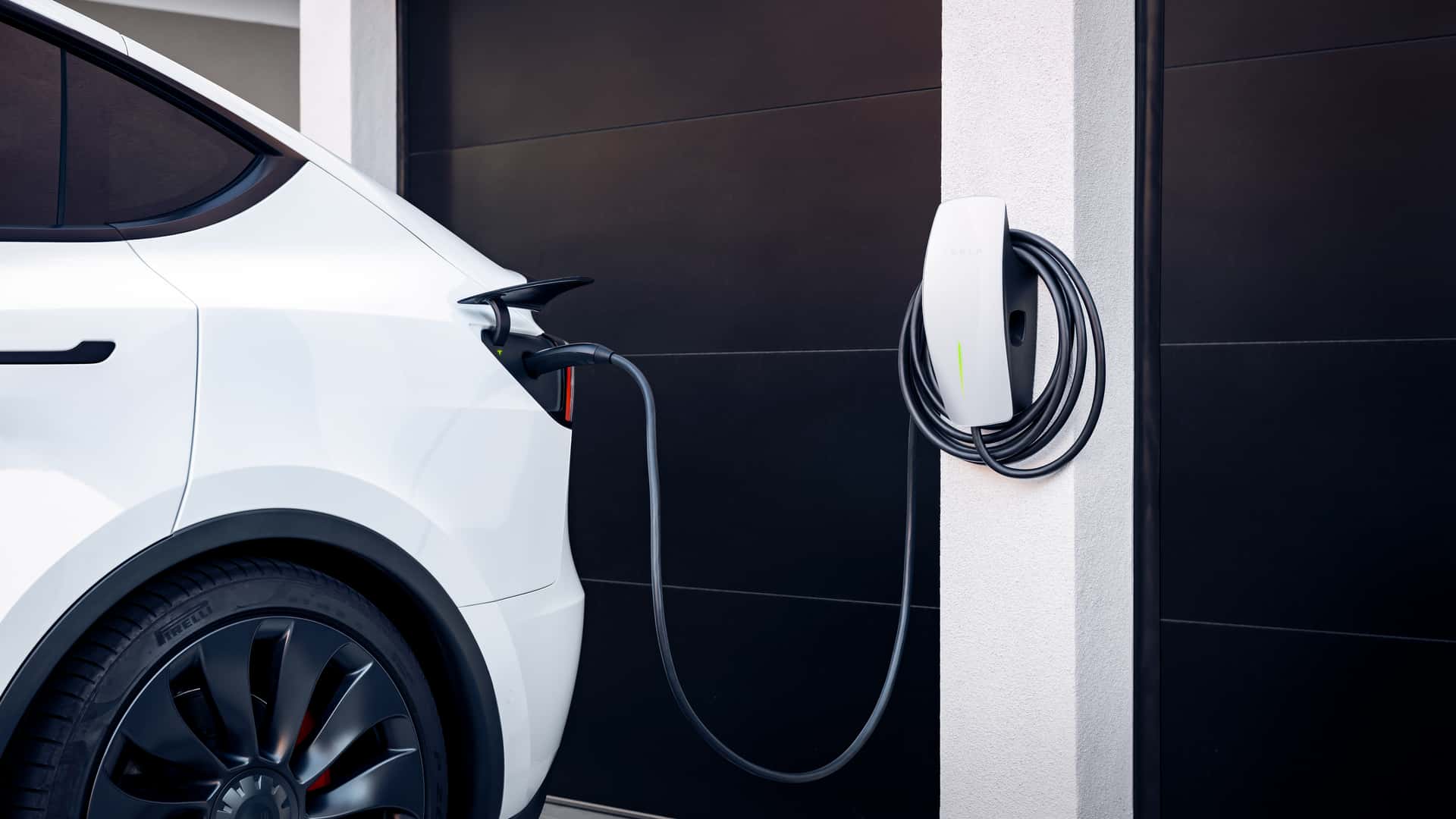
In a pivotal move set to redefine the utility of electric vehicles, Tesla has announced that its widely popular Model 3 and Model Y vehicles can now provide backup power to homes during outages. This expansion of the Powershare feature, previously exclusive to the Cybertruck, signifies a substantial enhancement in the functionality of Tesla’s leading electric sedan and SUV models. The development positions these vehicles not merely as transportation, but as integral components of a robust home energy ecosystem.
The new capability enables owners to tap into their vehicle’s large battery packs, transforming them into powerful emergency generators. This aligns Tesla with a growing cohort of electric vehicle manufacturers that offer vehicle-to-home (V2H) functionality, providing enhanced energy resilience for consumers.
Expanding Tesla’s Powershare Ecosystem
The introduction of V2H for the Model 3 and Model Y underscores Tesla’s commitment to integrating its automotive and energy products. This strategic alignment aims to offer comprehensive home energy solutions, particularly valuable in regions prone to power disruptions. The Powershare feature represents a significant leap in leveraging electric vehicle technology beyond traditional mobility.
For eligible Model 3 and Model Y owners, this means a new layer of preparedness against grid instability. The ability to channel power from an electric vehicle directly into a home marks a tangible step towards greater energy independence and sustainable living.
Unlocking V2H Capability for Model 3 and Model Y
Not all Model 3 or Model Y vehicles will be immediately compatible with the Powershare feature. Tesla specifies that the functionality is available for vehicles purchased on or after October 1, alongside select models acquired prior to this date. This targeted rollout ensures that newer hardware and software iterations are in place to support the advanced bidirectional charging requirements.
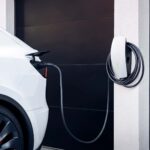
The implementation for these models necessitates a more extensive hardware setup compared to the Cybertruck. Owners will be required to integrate a Tesla Powerwall, the company’s renowned home battery storage system, in conjunction with a Tesla Wall Connector. This integrated approach ensures seamless power management and safety protocols.
The Powerwall 3, including its professional installation, carries an approximate cost of $15,000. Additionally, a Tesla Wall Connector is priced at $585, bringing the total investment for the complete home backup system to a considerable sum. Once fully installed and configured, the Model 3 or Model Y can deliver a substantial 15 kW of power back to the connected home.
The Cybertruck’s Unique Powershare Advantage
In contrast to the Model 3 and Model Y, the Tesla Cybertruck boasts a distinct advantage in its Powershare implementation. Its design incorporates an onboard DC-to-AC converter, simplifying the hardware requirements for V2H functionality. This internal component reduces the need for external, high-cost conversion equipment.
Cybertruck owners seeking home backup capabilities need only install a Universal Wall Connector and a Powershare Gateway. These essential components are conveniently offered as part of Tesla’s Powershare Home Backup Bundle, priced at $1,970. This significantly lower entry cost for Cybertruck owners highlights the tailored engineering solutions for each vehicle platform.
Strategic Benefits and Market Positioning
The expansion of Tesla V2H capability to its volume-selling models is a strategic play in the evolving energy landscape. It provides significant benefits for homeowners, particularly those already invested in Tesla’s energy ecosystem. The primary advantage lies in bolstering energy resilience during unexpected power outages.
For existing Powerwall owners, the integration of a Powershare-equipped Model 3 or Model Y offers an additional layer of security. Tesla indicates that by coupling a compatible vehicle with an existing Powerwall system, owners can extend their home’s backup power duration by an estimated two days. This calculation is based on an assumed household energy consumption of 30 kWh per day, offering substantial peace of mind.
Enhancing Grid Resilience and Energy Independence
Vehicle-to-home technology, like Tesla’s Powershare feature, plays a crucial role in enhancing grid resilience. By allowing individual households to leverage their EV batteries as temporary power sources, the burden on the main grid during peak demand or emergencies can be alleviated. This distributed energy model contributes to a more stable and reliable power infrastructure.
Beyond emergency situations, the broader implications of bidirectional charging point towards greater energy independence. Homeowners gain more control over their energy supply, reducing reliance on potentially vulnerable external grids. This capability fosters a sense of self-sufficiency and contributes to the adoption of more sustainable energy practices.
Competitive Landscape in V2H Technology
While Tesla’s move is significant, it joins a growing list of manufacturers embracing V2H technology. Other prominent electric vehicles offering similar capabilities include various models from Chevrolet and Cadillac, such as the Silverado EV and Blazer EV, along with the innovative Kia EV9 and the long-standing Nissan Leaf. These vehicles collectively signal a broader industry trend towards multi-functional EVs.
The varied approaches to V2H implementation across manufacturers highlight different philosophies regarding integration and cost. Tesla’s strategy, with its emphasis on an integrated Powerwall ecosystem for Model 3/Y, contrasts with more standalone V2H solutions offered by some competitors. This competition ultimately drives innovation and offers consumers diverse options for home energy management.
The Future of Electric Vehicles as Energy Assets
The evolution of electric vehicles from mere transportation devices to sophisticated energy assets represents a transformative shift in the automotive industry. Tesla’s expansion of its Powershare feature for the Model 3 and Model Y is a testament to this ongoing paradigm change. It signifies a future where vehicles are not just consumers of energy but active participants in home and potentially even grid energy management.
This development paves the way for further innovations in vehicle-to-grid (V2G) technology, where EVs could feed power back to the grid during periods of high demand, earning revenue for their owners. The foundational V2H capability is a critical step towards realizing a more integrated and flexible energy future, where sustainable energy solutions are seamlessly woven into daily life.
Frequently Asked Questions (FAQ)
What is Tesla’s Powershare feature?
Powershare is Tesla’s vehicle-to-home (V2H) technology, enabling compatible electric vehicles to supply electricity to a home during power outages. It transforms the EV’s high-capacity battery into a robust backup power source, enhancing home energy resilience and reducing reliance on the grid during emergencies.
Which Tesla models are now compatible with Powershare?
As of a recent announcement, the Tesla Model 3 and Model Y can now utilize the Powershare feature. Previously, this capability was exclusive to the Tesla Cybertruck. This expansion makes the advanced home backup functionality accessible to a broader range of Tesla owners.
What hardware is required for Model 3 and Model Y V2H?
For Model 3 and Model Y owners, enabling Powershare requires the installation of a Tesla Powerwall home battery storage system and a Tesla Wall Connector. This integrated setup ensures efficient power conversion and safe energy flow from the vehicle to the household electrical system.
What is the estimated cost to enable Powershare for Model 3/Y?
The estimated cost involves approximately $15,000 for the Powerwall 3 (including installation) and an additional $585 for a Tesla Wall Connector. This significant investment is necessary to create the complete vehicle-to-home energy backup infrastructure for these models.
How much power can a Powershare-equipped Tesla output?
A Tesla Model 3 or Model Y integrated with the Powershare system can output a substantial 15 kW of power back to the home. This robust output is capable of running essential household appliances and systems during extended power outages, providing critical backup energy.
How does the Cybertruck’s Powershare setup differ?
The Cybertruck’s Powershare setup is simpler due to its onboard DC-to-AC converter. Owners only need to install a Universal Wall Connector and a Powershare Gateway, available as a $1,970 bundle. This streamlined approach offers a more cost-effective entry point for Cybertruck owners seeking home backup power.
What benefit does Powershare offer if I already have a Powerwall?
Even with an existing Powerwall, integrating a Powershare-equipped Model 3 or Model Y can extend your home’s backup power duration. Tesla estimates this combination can add up to two days of backup power, assuming a household consumes approximately 30 kWh per day, enhancing long-term resilience.
Are other electric vehicles offering similar V2H capabilities?
Yes, several other electric vehicles currently offer or are planning similar vehicle-to-home (V2H) capabilities. Notable examples include various Chevrolet and Cadillac EV models, the Kia EV9, and the Nissan Leaf. This growing trend underscores the industry’s shift towards multifunctional electric vehicles as energy assets.