
Key Takeaways
- EVgo, a prominent EV charging network, is developing a new system capable of 750 kW power delivery, significantly surpassing its current 350 kW chargers.
- These advanced chargers will feature dynamic power sharing, optimising charging speeds for multiple connected electric vehicles simultaneously.
- The company plans to increase the deployment of North American Charging Standard (NACS) ports across its new stations to broaden accessibility.
- The upgrade is projected to facilitate 10-minute charging sessions for the fastest-charging EVs, drastically improving driver convenience.
- Currently in design and testing at EVgo’s Innovation Lab, the first deployments are expected next year, enhancing America’s public charging infrastructure.
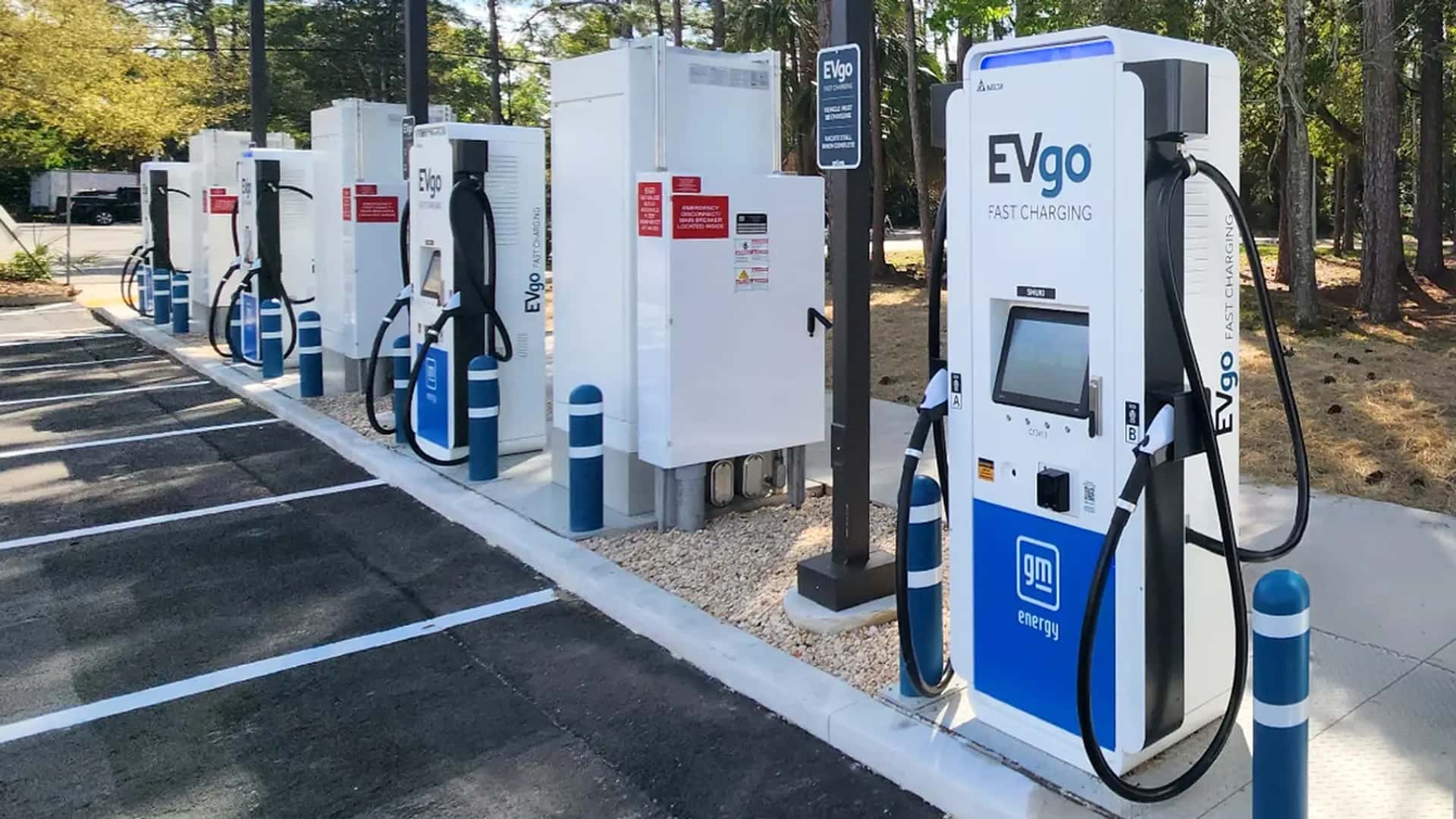
In a significant leap forward for electric vehicle infrastructure, EVgo, one of the largest public EV charging networks in the United States, is preparing to roll out next-generation fast chargers that promise to dramatically reshape the charging landscape. These upcoming systems will deliver an impressive 750 kilowatts (kW) of power, more than double the company’s current maximum offering of 350 kW.
The ambitious initiative underscores a commitment to advancing the country’s EV charging capabilities, addressing growing demands for faster, more efficient solutions for electric vehicle owners. This development is poised to elevate the user experience and support the broader adoption of electric mobility across the nation.
Driving the Future: The Power of 750 kW Charging
The introduction of 750 kW chargers represents a substantial upgrade in direct current (DC) fast charging technology. Currently, EVgo’s network offers up to 350 kW, which already ranks among the fastest available. Doubling this capacity signifies a proactive approach to future-proofing the EV charging network as electric vehicle battery technology evolves.
While no commercially available electric vehicles in the United States currently possess the capability to accept a full 750 kW charge, the move anticipates a rapid progression in automotive engineering. Overseas markets already feature electric cars that can handle 1,000 kW or more, indicating the direction in which the industry is headed globally.
This increased power output is particularly crucial for emerging segments of the electric vehicle market, such as heavy-duty electric trucks. These commercial vehicles often feature significantly larger battery packs that require massive amounts of power to achieve acceptable charging times, making 750 kW chargers a vital component for their operational efficiency and widespread integration.
Innovation at the Forefront: EVgo’s Development Lab
The design, development, and rigorous testing of these groundbreaking chargers are currently underway at EVgo’s dedicated Innovation Lab located in El Segundo, California. As one of the few operators in the country equipped with the in-house facilities and expertise to build its own hardware, EVgo is at the forefront of this technological advancement.
This internal capability allows the company to rapidly iterate and refine its charging solutions, ensuring they meet the evolving needs of the electric vehicle ecosystem. The lab serves as a critical hub for pushing the boundaries of charging technology and establishing new industry benchmarks.
Enhanced User Experience: Dynamic Power Sharing and Contactless Payments
Beyond raw power, EVgo’s next-generation charging stalls are engineered with several user-centric features designed to improve convenience and efficiency. A key innovation is the integration of dynamic power sharing, an intelligent system that optimally allocates power to each connected electric vehicle.
This means that if multiple EVs are plugged into the same charging stall, the system will automatically deliver the maximum power each vehicle can handle, up to the station’s total capacity. For instance, in a scenario where a Lucid Gravity and a Tesla Model 3 are sharing a single stall, the dynamic system would direct approximately 400 kW to the Gravity and 250 kW to the Model 3, ensuring both vehicles receive an optimal charge without compromising speed.
The new hardware will also incorporate a touchless payment interface. This feature aims to streamline the charging process, allowing drivers to pay for their sessions without the necessity of downloading a specific smartphone application. Such seamless payment options are vital for reducing friction and enhancing the overall accessibility of the public EV charging network.
Expanding Accessibility: The Rise of NACS Ports
Recognising the growing shift towards standardised charging solutions, EVgo is set to significantly boost the deployment of North American Charging Standard (NACS) ports at its new stations. This strategic move is aimed at doubling EVgo’s addressable market in the near future, making its robust charging infrastructure accessible to a wider array of electric vehicles, including those manufactured by Tesla.
The increasing adoption of the NACS connector by various automakers signals a move towards greater interoperability across the EV charging network. By proactively integrating more NACS ports, EVgo is not only expanding its customer base but also contributing to a more unified and user-friendly charging experience for all EV drivers in North America.
Transforming Charging Times: The 10-Minute Promise
Perhaps one of the most compelling benefits for electric vehicle owners is the projected charging speed. According to EVgo, their new 750 kW system is expected to enable 10-minute charging sessions for the fastest-charging vehicles currently available in the country. This remarkable reduction in charging time holds the potential to significantly alleviate range anxiety and make long-distance travel in EVs more practical and appealing.
Such rapid charging capabilities are crucial for bringing the convenience of refuelling an electric vehicle closer to the experience of filling a traditional gasoline car. This advancement is a key driver in encouraging more consumers to transition to electric vehicles, bolstering the overall EV charging network and its capacity.
EVgo’s Extensive Footprint and Future Outlook
EVgo maintains a substantial presence within the U.S. electric vehicle landscape. According to data from the Department of Energy’s Alternative Fuels Data Center (AFDC), the company currently operates nearly 2,000 DC fast charging stations across the United States, collectively offering over 5,300 individual charging ports.
This extensive infrastructure positions EVgo as a critical player in the nation’s push towards vehicle electrification. The upcoming 750 kW chargers, with their advanced features and expanded NACS support, are set to further solidify EVgo’s role in building a robust, reliable, and future-ready EV charging network.
The final design details of the 750 kW system are anticipated to be unveiled next year, at which point the first deployments will begin to come online. This phased rollout will progressively integrate these high-power stations into the existing network, offering a glimpse into the future of fast charging.
The ongoing commitment from companies like EVgo to enhance charging infrastructure is paramount for the growth of the electric vehicle market. As the industry continues to evolve, innovations in charging speed, accessibility, and user convenience will be central to achieving widespread EV adoption and establishing a truly sustainable transportation ecosystem.
FAQ Section
Q1: What is the maximum power output of EVgo’s new chargers?
A1: EVgo’s next-generation chargers are designed to deliver up to 750 kilowatts (kW) of power, which is more than double their current maximum offering of 350 kW, marking a significant upgrade in fast-charging capabilities.
Q2: What is dynamic power sharing, and how does it benefit EV drivers?
A2: Dynamic power sharing is a feature that intelligently allocates the optimal amount of power to each electric vehicle connected to a single charging stall. This ensures that every EV receives the maximum charge it can handle, improving efficiency and reducing overall charging times for multiple users simultaneously.
Q3: Why is EVgo incorporating more NACS ports into its new stations?
A3: EVgo is increasing NACS (North American Charging Standard) port deployment to expand its addressable market, making its charging network accessible to a wider range of electric vehicles, including Tesla models, and promoting greater interoperability across the industry.
Q4: How quickly can the new 750 kW chargers charge an EV?
A4: EVgo anticipates that its new 750 kW system will enable ultra-fast charging sessions, potentially allowing the fastest-charging vehicles in the country to achieve a significant charge in as little as 10 minutes, drastically improving convenience for drivers.
Q5: Are there any EVs in the U.S. that can currently accept 750 kW?
A5: No commercially available electric vehicles in the United States can currently accept a full 750 kW charge. However, this high-power infrastructure is designed to future-proof the network and cater to next-generation EVs, especially heavy-duty electric trucks with larger battery capacities.
Q6: Where are these new chargers being developed and tested?
A6: EVgo is designing, developing, and rigorously testing its next-generation 750 kW chargers at its dedicated Innovation Lab located in El Segundo, California, leveraging its in-house expertise in hardware development.
Q7: When can EV drivers expect to see these new chargers deployed?
A7: While the final design details are expected to be unveiled next year, EVgo plans for the first deployments of these advanced 750 kW charging stations to go online progressively throughout the coming year, enhancing the public EV charging network.