
Key Takeaways (TL;DR)
- LG Energy Solution (LGES) posted record Q3 earnings, with revenue soaring 59% year-over-year to $7.21 billion and operating profit rising 25% to $565 million.
- This strong performance was primarily propelled by robust electric vehicle (EV) battery sales in Europe and significant expansion in its energy storage system (ESS) business across the United States.
- The company successfully offset a slowdown in North American EV battery production by strategically capitalizing on high demand for stationary energy storage solutions, particularly from AI data centers and grid upgrade initiatives.
- Key contributing factors included production credits from the U.S. Inflation Reduction Act and increasing local manufacturing capabilities for both EV and ESS batteries.
Seoul, South Korea – In a significant demonstration of strategic resilience and market adaptability, LG Energy Solution (LGES), a pivotal global supplier of advanced battery technologies, announced record quarterly earnings on Thursday, October 8. The South Korean battery giant reported a substantial surge in its third-quarter financial performance, attributing the stellar results to a flourishing energy storage market in the United States and the accelerating adoption of electric vehicles across European markets.
According to preliminary results detailed in a regulatory filing in South Korea, LGES’s third-quarter revenue escalated by an impressive 59% year-over-year, reaching $7.21 billion. Concurrently, the company’s operating profit witnessed a robust 25% increase, climbing to $565 million. These figures underscore the company’s ability to navigate complex global energy transition landscapes while maintaining a strong growth trajectory. The full official results are anticipated to be disclosed in November.
A Strategic Pivot Amidst Evolving Markets
The global battery manufacturing sector has experienced considerable flux over recent years, particularly in North America, where the pace of electric vehicle adoption has presented unique challenges. While some initial EV market ambitions have faced recalibrations due to slower-than-expected sales growth, LG Energy Solution has showcased an astute ability to diversify its revenue streams and adapt to shifting regional demands.
Navigating North America’s EV Demand Shifts
During the reporting period, LG Energy Solution had adjusted its electric vehicle battery production in North America, a move directly influenced by a temporary softening in regional EV demand. This deceleration stemmed from various factors, including evolving consumer preferences, infrastructure development timelines, and broader economic considerations that impacted initial purchase rates for electric vehicles.
However, the company’s proactive strategy allowed it to mitigate potential losses. Rather than being solely reliant on the fluctuating pace of EV sales, LGES strategically channeled its resources towards other high-growth segments. This pivot ensured that despite localized challenges, the company maintained overall strong financial health and diversified its risk profile across its extensive product portfolio.
European EV Market Surges Ahead
In stark contrast to some segments of the North American market, Europe has emerged as a powerhouse for electric vehicle adoption, providing a significant uplift to LGES’s EV battery division. The demand for plug-in vehicles across the continent has surged, driven by stringent emissions regulations, favorable government incentives, and a growing consumer appetite for sustainable transportation solutions.
Reports from The Korea Herald indicate that LGES’s manufacturing facility in Poland has been a key beneficiary of this European boom. The plant is experiencing strong demand from prominent automakers such as Volkswagen and Renault, both of whom are aggressively expanding their electric vehicle offerings to meet the region’s burgeoning market needs. This robust demand has significantly bolstered LGES’s bottom line, demonstrating the criticality of its diversified global presence.
The Rise of Energy Storage: A U.S. Powerhouse
A cornerstone of LGES’s record-setting performance is its burgeoning energy storage business, particularly within the United States. Recognizing the increasing need for reliable and efficient power solutions, the company made a strategic bet on stationary energy storage batteries, a decision that is now yielding substantial returns.
Powering Data Centers and Grid Modernisation
The demand for stationary energy storage systems (ESS) in the U.S. has seen an unprecedented rise, fueled by two primary drivers: the exponential growth of power-hungry AI data centers and the urgent need for comprehensive grid upgrades. Artificial intelligence applications require immense computational power, leading to a surge in data center construction and expansion, all of which necessitate robust, reliable, and often uninterrupted power supplies.
Simultaneously, the modernization of America’s aging electrical grid is a national priority. ESS batteries play a critical role in enhancing grid stability, integrating renewable energy sources like solar and wind, and providing backup power, thereby ensuring greater reliability and efficiency across the national power infrastructure. This dual demand has created a fertile ground for LGES’s energy storage solutions.
Local Production Fuels U.S. Growth
In response to this escalating demand, LGES has strategically localized its energy storage system (ESS) battery production within the United States. By establishing and operating multiple local plants, the company is better positioned to meet the specific needs of the U.S. market, reduce logistical complexities, and capitalize on domestic manufacturing incentives. This localized approach strengthens its supply chain, enhances responsiveness to customer requirements, and underscores its commitment to the American energy landscape.
Policy Tailwinds and Financial Incentives
Beyond market demand, government policy and strategic compensation mechanisms have also played a crucial role in LGES’s financial success, particularly within the U.S. market. These initiatives have provided a significant boost to the company’s domestic manufacturing endeavors and overall profitability.
The Impact of the Inflation Reduction Act
A substantial contributing factor to the surge in LGES’s earnings is the battery-manufacturing credits received through the U.S. Inflation Reduction Act (IRA). This landmark legislation includes Section 45X Advanced Manufacturing Production tax credits. These credits provide a per-unit incentive for domestically produced clean energy components, including battery cells and modules, offering a significant financial advantage to manufacturers like LGES operating within the U.S.
Crucially, despite a broader political landscape that saw certain pro-climate policies enacted under the Biden administration rolled back or modified, the Section 45X Advanced Manufacturing Production tax credits for domestic battery manufacturing largely remained preserved. This stability in policy, which guarantees the availability of these credits through 2032, provides long-term predictability and encourages substantial investment in the U.S. battery ecosystem, directly benefiting LGES’s operational profitability.
Strategic Compensation and Regulatory Landscape
In addition to government incentives, LGES also received compensation from automakers for failing to meet pre-agreed minimum electric vehicle battery purchase requirements, as reported by Reuters. Such agreements are common in the highly competitive battery supply chain, serving as a risk mitigation measure for both suppliers and manufacturers. These compensations further buffered the company’s financial performance during a period of market adjustments.
Strengthening the Global Supply Chain
LGES’s robust financial performance is not solely a reflection of current market conditions but also a testament to its forward-looking strategies in supply chain management and manufacturing localization. The company is actively investing in securing critical raw materials and expanding its production footprint in key regions.
Securing Raw Materials: The Elevra Lithium Partnership
A crucial step in reinforcing its North American operations and ensuring long-term supply stability was the multi-year offtake agreement signed with Canada’s Elevra Lithium. Under this strategic deal, LGES is set to receive 240,000 metric tonnes of raw lithium concentrate from Elevra’s mine in Quebec. This partnership is vital for securing a stable and geographically proximate supply of a critical raw material essential for lithium-ion battery production, reducing reliance on potentially volatile international supply chains.
Michigan Gigafactory: A Hub for Diverse Battery Production
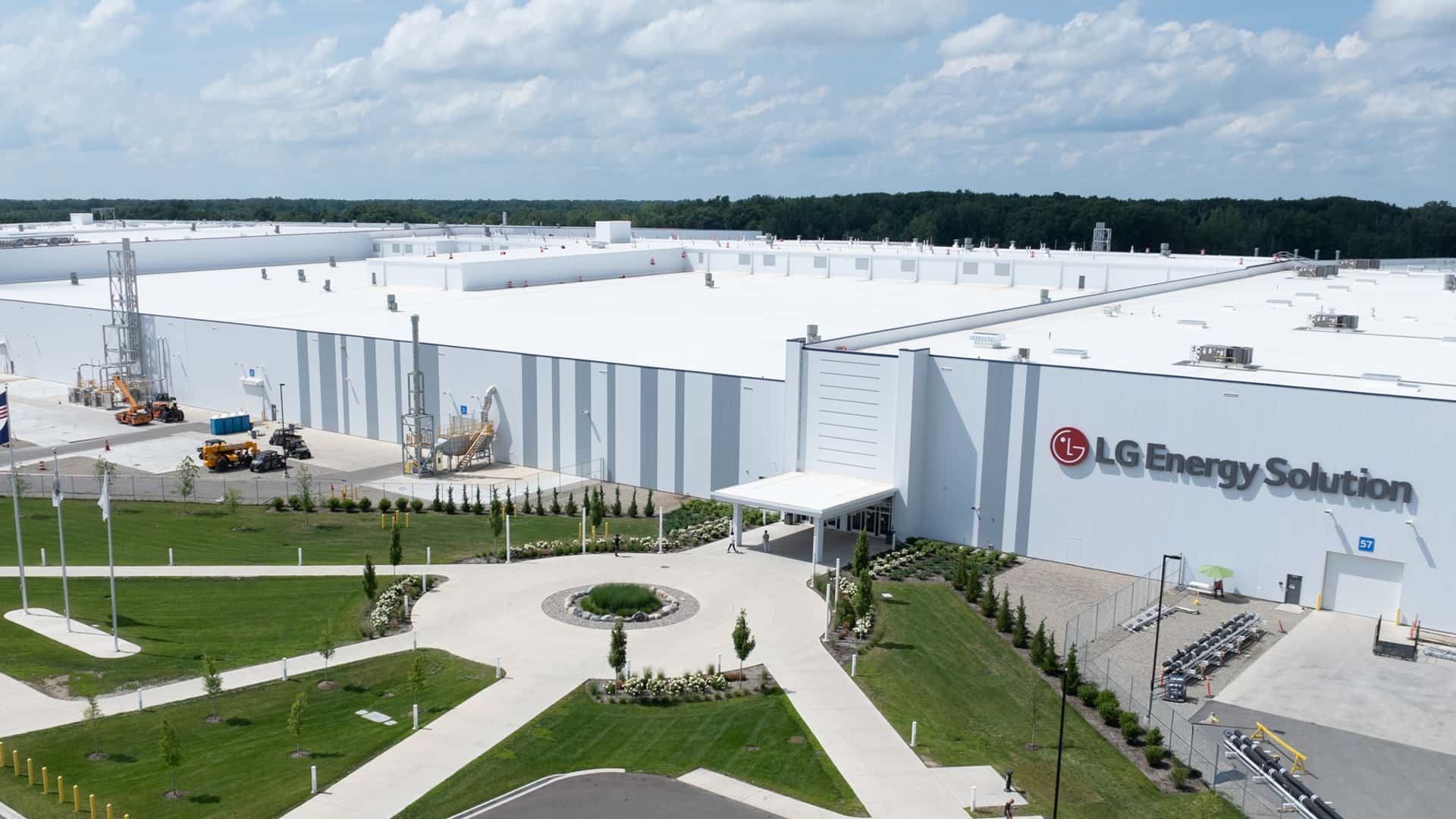
Further demonstrating its commitment to localized production and diversifying its product offerings, LGES officially opened its state-of-the-art $2 billion gigafactory in Lansing, Michigan, in August. This massive facility is a cornerstone of the company’s North American manufacturing strategy, contributing significantly to domestic battery production capabilities.
The Lansing gigafactory is uniquely equipped to produce two distinct types of advanced batteries. It manufactures energy storage lithium-iron-phosphate (LFP) batteries, which are supplied to Tesla for its stationary energy storage products. Simultaneously, the plant produces nickel-manganese-cobalt (NMC) electric vehicle batteries, catering to the growing demand from automakers such as Toyota. This dual production capability highlights LGES’s versatility and its critical role in supporting both the burgeoning ESS and EV sectors with tailored battery solutions.
Outlook and Broader Implications for the Battery Industry
LG Energy Solution’s record Q3 earnings serve as a powerful indicator of the evolving dynamics within the global battery industry. The company’s success underscores the strategic importance of diversification across various battery applications—from electric vehicles to stationary energy storage—and the critical role of geographical market adaptation.
The ability to pivot production and capitalize on regional strengths, such as Europe’s accelerating EV adoption and the U.S.’s booming energy storage needs, positions LGES as a resilient leader. Its proactive investments in localized manufacturing, including gigafactories and raw material partnerships, are setting a benchmark for enhancing supply chain security and fostering sustainable growth in the broader energy transition landscape. This model illustrates a robust pathway for battery manufacturers to thrive amidst technological advancements and shifting market demands.
Frequently Asked Questions (FAQ)
Q1: What were LG Energy Solution’s key financial highlights for Q3?
LG Energy Solution reported record Q3 earnings, with revenue soaring 59% year-over-year to $7.21 billion. The company also achieved a significant increase in operating profit, which grew by 25% to $565 million, reflecting a strong financial performance across its global operations.
Q2: What factors contributed to LGES’s record earnings?
The record earnings were primarily driven by two main factors: robust sales of electric vehicle (EV) batteries in the European market and substantial growth in the company’s energy storage system (ESS) business in the United States. These strong performances offset a temporary slowdown in North American EV battery demand.
Q3: How is LGES addressing the demand for energy storage batteries in the U.S.?
LGES is meeting the rising U.S. demand for energy storage batteries by producing them locally at multiple plants. This demand is significantly spurred by the needs of power-hungry AI data centers and ongoing projects for upgrading and modernizing the electrical grid infrastructure across the country.
Q4: What role did the U.S. Inflation Reduction Act play in LGES’s success?
The U.S. Inflation Reduction Act (IRA) provided crucial support through its Section 45X Advanced Manufacturing Production tax credits. These credits incentivize domestic battery manufacturing, directly boosting LGES’s profitability and enabling further investments in its U.S. production facilities. These credits are secured through 2032.
Q5: How is LGES securing its battery supply chain?
LGES is actively strengthening its supply chain by localizing operations and securing raw materials. This includes a multi-year agreement with Canada’s Elevra Lithium for 240,000 metric tonnes of raw lithium concentrate, enhancing regional sourcing and reducing reliance on distant supply routes.
Q6: What types of batteries are produced at LGES’s Michigan gigafactory?
The $2 billion gigafactory in Lansing, Michigan, is a versatile production hub. It manufactures lithium-iron-phosphate (LFP) batteries specifically for Tesla’s energy storage systems and nickel-manganese-cobalt (NMC) electric vehicle batteries, which are supplied to major automakers like Toyota.
Q7: Why was North American EV battery production slowed down by LGES?
LGES temporarily slowed its electric vehicle battery production in North America due to a lower-than-anticipated market demand in certain segments. This adjustment was a strategic response to evolving market dynamics and consumer adoption rates, aiming to align production with actual market requirements and optimize inventory management.