
Key Takeaways
- **Addressing Disparity**: The UK government’s Local Electric Vehicle Infrastructure (LEVI) Fund aims to tackle the uneven distribution of EV charging points, which has historically favoured London over other English regions.
- **char.gy’s Dominance**: On-street charging specialist char.gy has secured 11 LEVI contracts, poised to deliver over 60,000 new charging sockets across England.
- **Rapid Deployment**: Over 650 LEVI sockets are already operational in Brighton & Hove and Reading, with several more deployments actively underway or awarded.
- **Kerbside Focus**: Despite London’s existing lead (over 70% of kerbside chargers by end of 2025), char.gy continues to expand in the capital, recently installing its 6,000th charge point there, while simultaneously rolling out LEVI projects in other regions.
- **Strategic Impact**: On-street chargers accounted for over 55% of new public charger installations in 2025, underscoring their critical role in the growth of the overall EV charging infrastructure UK, which now totals over 122,000 public points.
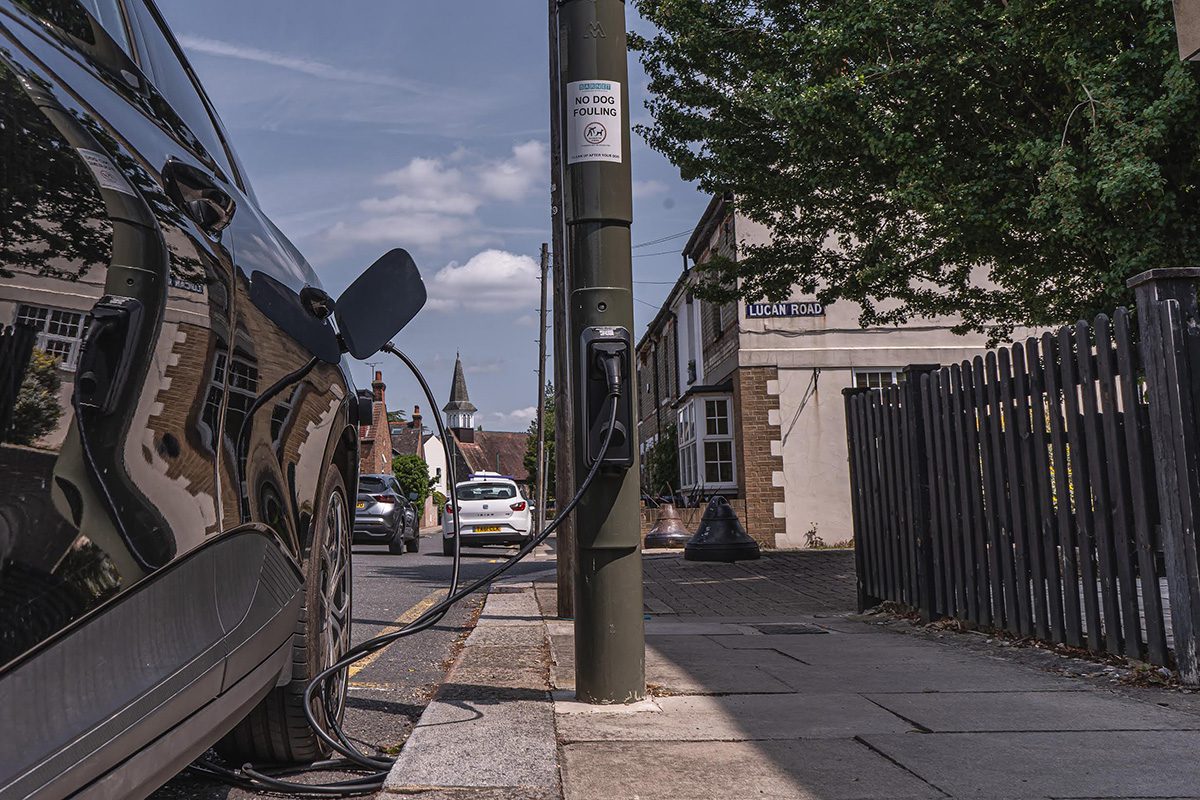
In a significant move to democratise access to electric vehicle (EV) charging across the United Kingdom, char.gy, a leading specialist in on-street charging solutions, has emerged as a key delivery partner under the government’s Local Electric Vehicle Infrastructure (LEVI) Fund. This initiative is specifically designed to address long-standing criticisms regarding the disproportionate concentration of EV charging points in London at the expense of other provincial areas.
The company has successfully secured an impressive 11 LEVI contracts, a mandate that encompasses the provision of more than 60,000 charging sockets. This extensive commitment underscores char.gy’s pivotal role in expanding the EV charging infrastructure UK, particularly for residents who lack off-street parking options.

Addressing the UK’s EV Charging Disparity
The rapid transition to electric vehicles necessitates a robust and accessible charging network. However, the rollout of public EV chargers in the UK has faced scrutiny, with a perceived bias towards the capital. This geographical imbalance presents a significant barrier to EV adoption outside London, where many residents rely solely on public charging facilities.
Recognising this critical gap, the UK government established the Local Electric Vehicle Infrastructure (LEVI) Fund. This vital funding mechanism empowers local authorities throughout England to initiate and support kerbside charging projects, ensuring that EV owners in diverse communities have convenient access to charging solutions close to their homes.
The LEVI Fund represents a strategic investment aimed at fostering equitable growth in the EV sector. By decentralising the deployment efforts, it seeks to stimulate local economies and accelerate the national shift towards sustainable transport.

char.gy’s Pivotal Role in LEVI Rollout
char.gy has swiftly positioned itself at the forefront of the LEVI scheme, securing a substantial number of contracts that will redefine the landscape of public EV charging infrastructure UK. The company’s ability to rapidly deploy operational charge points has been a cornerstone of its success.
Currently, over 650 LEVI-funded charging sockets are already live and operational, providing essential services in key areas such as Brighton & Hove and Reading. These initial deployments serve as a testament to the efficiency and scalability of char.gy’s implementation strategy.
Accelerated Deployment Across Regions
Beyond these active sites, char.gy is driving forward four additional deployments. These projects are actively underway in Brighton & Hove, Devon & Torbay, Reading, and West Northamptonshire, promising to bring hundreds more charging points online in the near future.
Furthermore, the company has successfully been awarded seven more significant projects, which are now moving towards final signature. These future developments include crucial expansions in regions like the Isle of Wight and Central Bedfordshire, broadening the reach of the LEVI initiative significantly.
Expanding Reach Beyond the Capital
While char.gy is making substantial inroads into the provinces through the LEVI Fund, its commitment to enhancing urban EV charging infrastructure UK, particularly in London, remains strong. The company recently celebrated a significant milestone by installing its 6,000th charge point within the capital.
This continued expansion in London highlights char.gy’s dual strategy: addressing the specific needs of dense urban environments while simultaneously bridging the geographical disparities across England. Installations are also actively underway in the London boroughs of Barnet and Enfield, further solidifying the capital’s extensive network.
The sustained development in London complements the LEVI projects by offering a comprehensive approach to EV charging infrastructure development, catering to a diverse range of urban and suburban requirements.
The Broader Landscape of UK EV Infrastructure
The statistics underscore the historical imbalance in EV charging distribution. According to char.gy, as of the end of 2025, over 70 percent of all kerbside chargers installed across the country were located within London. This figure highlights the urgent need for programmes like LEVI to rebalance the national charging map.
Despite this concentration, the overall growth of on-street charging has been robust. On-street chargers constituted more than 55% of all new public charger installations recorded in 2025. This trend indicates a growing recognition of the importance of kerbside solutions for the widespread adoption of electric vehicles.
The UK’s public charging network has reached a considerable scale, with just over 122,000 public charge points available nationwide. This continuous expansion of EV charging infrastructure UK is crucial for supporting the increasing number of electric vehicles on the road and encouraging more drivers to make the switch.
A Focus on Pace and Reliability
The successful deployment of such extensive infrastructure relies heavily on the efficiency and dependability of the chosen partners. John Lewis, CEO of char.gy, articulated the company’s core value proposition, stating, “Councils are choosing char.gy because we turn LEVI projects into working charge points at pace and keep them working. 6,000 charge points in, we are installing faster than ever, and the seven further councils we are working with towards signature mean that pace will keep growing.”
This emphasis on speed of deployment and consistent operational reliability is critical for local authorities. Prompt installation means quicker access for residents, while reliable operation builds user confidence and reduces maintenance burdens for councils. It ensures that the investment in EV charging infrastructure UK translates directly into tangible benefits for communities.
char.gy’s track record, evidenced by its significant installations both within London and now across LEVI-funded areas, reinforces its position as a trusted partner in accelerating the nationwide rollout of EV charging solutions. Their commitment to rapid, functional deployments is key to overcoming infrastructure challenges and fostering broader EV adoption.
Looking Ahead: A Greener Transport Future
The strategic deployment led by char.gy under the LEVI program signifies a crucial step towards a more equitable and accessible electric vehicle ecosystem across the UK. By addressing the regional disparity in charging infrastructure, the initiative supports a wider segment of the population in transitioning to cleaner transport options.
The ongoing expansion of the EV charging infrastructure UK, particularly through innovative on-street solutions, is fundamental to the nation’s environmental goals and its commitment to a sustainable future. These efforts not only facilitate EV adoption but also contribute to improved air quality and reduced carbon emissions in communities nationwide.
FAQ Section
What is the LEVI Fund?
The Local Electric Vehicle Infrastructure (LEVI) Fund is a UK government initiative designed to provide financial support to local authorities across England. Its primary goal is to fund the deployment of kerbside and on-street EV charging projects, specifically addressing the disparity in charging point availability between London and other regions.
Why is on-street charging important for EV adoption?
On-street, or kerbside, charging is crucial for residents who do not have access to private off-street parking, such as driveways or garages. It allows EV owners to charge their vehicles conveniently near their homes, making electric vehicles a viable option for a broader segment of the population, especially in urban and suburban areas.
How many LEVI contracts has char.gy secured?
char.gy has been awarded a total of 11 contracts under the LEVI Fund. These contracts represent a significant commitment to installing over 60,000 charging sockets across various regions in England, making char.gy a leading partner in the government’s efforts to expand the national EV charging infrastructure.
Where are char.gy’s LEVI sockets currently live?
As of recent reports, over 650 LEVI-funded charging sockets deployed by char.gy are already live and operational. These active installations are primarily located in Brighton & Hove and Reading, providing essential charging access to residents in these areas.
What is the current state of public EV charging in the UK?
The UK currently boasts just over 122,000 public charge points nationwide. However, there’s a historical imbalance, with over 70% of kerbside chargers located in London as of late 2025. On-street chargers are growing rapidly, constituting over 55% of new public charger installations in 2025.
What areas will see future char.gy LEVI deployments?
Beyond current live sites, char.gy has four more deployments underway in Brighton & Hove, Devon & Torbay, Reading, and West Northamptonshire. Additionally, seven more projects have been awarded and are moving towards signature, including locations like the Isle of Wight and Central Bedfordshire, ensuring wider regional coverage.