
Key Takeaways:
- America’s public fast-charging network exceeded 80,000 ports in Q3 2026, a significant milestone in electric vehicle (EV) infrastructure.
- While the deployment of new public fast-charging ports slowed by 12% year-over-year in Q3, overall expansion continued robustly.
- There’s a noticeable shift towards higher-powered charging stations, with 73% of new ports delivering at least 250 kilowatts.
- Tesla remains a major contributor, though its deployment pace tempered; Ionna and Walmart significantly boosted their charging infrastructure.
- Despite a slowdown in additions, record-breaking 17.6 million public fast-charging sessions were logged in July, highlighting increasing driver utilization.
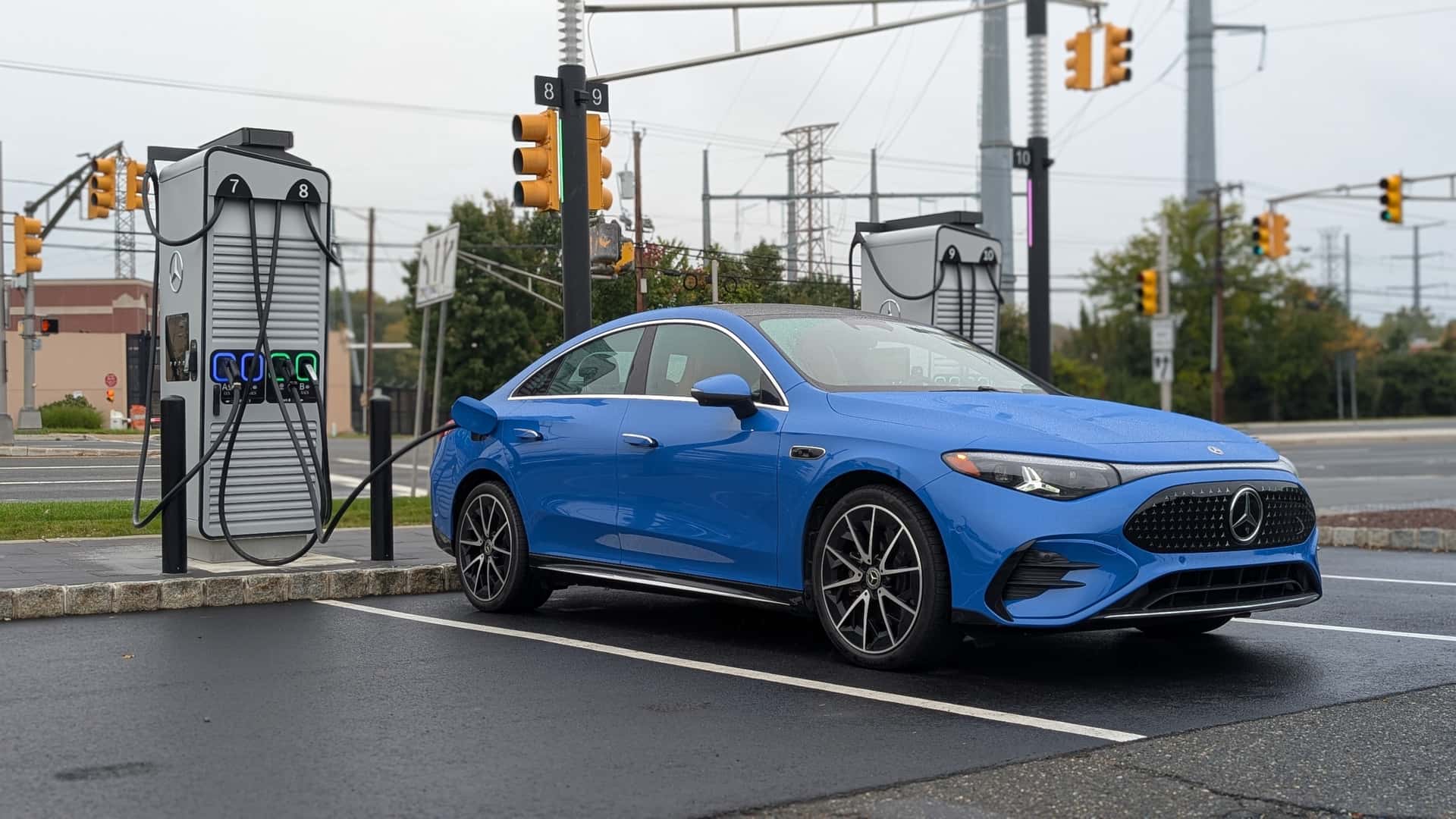
The United States has reached a pivotal milestone in its electric vehicle infrastructure, with America’s public fast-charging network now boasting over 80,000 ports. This significant expansion, detailed in a recent report by charging data platform Paren, underscores the ongoing commitment to bolstering EV support, even as the pace of new installations experienced a slight deceleration in the third quarter of 2026.
The slowdown in charger deployment comes at a time when electric vehicle sales have shown signs of cooling, following adjustments in U.S. government EV-friendly policies. However, a deeper analysis reveals a dynamic landscape where charging networks are not merely expanding in number but are also investing heavily in higher-powered stations and more convenient locations, anticipating a sustained rebound in EV demand.
Sustained Growth Despite Deployment Slowdown
In the third quarter of 2026, the United States saw the addition of 4,106 new public fast-charging ports across 664 new stations. While substantial, this represents a 12% decline in new ports and a 20% drop in new stations compared to the same period last year, according to Paren’s comprehensive data released recently.
Despite this year-over-year moderation, the sheer volume of new installations was sufficient to propel America’s public fast-charging network past the 80,000-port mark for the very first time. This expansion is critical for supporting the growing number of electric vehicles on American roads and enhancing the charging experience for drivers.
Strategic Location and Enhanced Convenience
A notable trend in the latest quarter’s deployment is the strategic placement of new charging infrastructure. Many of the newly installed stations are located in highly convenient areas, such as gas stations and established travel centers. These locations are already familiar stopping points for drivers, particularly during long-distance road trips, aiming to seamlessly integrate EV charging into existing travel habits.
This thoughtful placement is designed to reduce range anxiety and make the transition to electric vehicles more appealing to a broader segment of the population. The focus is not just on quantity but also on the quality and accessibility of the charging experience, which is vital for the long-term adoption of EVs and the robustness of America’s public fast-charging network.
Key Players Driving Network Expansion
The expansion of America’s public fast-charging network is a collaborative effort involving various industry players, though some networks stand out for their significant contributions.
The Tesla Supercharger network, historically a dominant force, accounted for a considerable portion of the slowdown in Q3. Tesla added 1,287 new ports between July and September, which is 533 fewer than during the corresponding period last year. Nevertheless, Tesla partly mitigated this decline by adding an additional 124 ports through its newer line of business, which involves selling Superchargers to third-party enterprises. Despite the tempered pace, Tesla maintained its position as the largest contributor to new fast-charging capacity in the third quarter, underscoring its pivotal role in the charging ecosystem.
Ranking second in deployment speed was Ionna, the consortium led by major automakers, which has ambitious plans to establish 30,000 fast chargers across North America by the end of the decade. Ionna nearly tripled its year-over-year rollout, adding an impressive 378 new ports. Following closely, retail giant Walmart secured the third position, contributing 344 new ports to the national network, demonstrating a growing commitment from diverse sectors to support EV infrastructure.
Geographical Disparities in Charging Infrastructure
The expansion of America’s public fast-charging network displays interesting regional dynamics, highlighting both concentrated growth and lingering gaps. California, a long-standing leader in EV adoption and infrastructure, continued to top the charts in new charging installations during the third quarter, with 87 new stations opening across the state.
Intriguingly, the next three states in terms of new station additions were all Republican-governed: Texas added 66 stations, followed by North Carolina and Georgia with 26 each. This geographical spread indicates a broadening commitment to EV infrastructure development beyond traditional strongholds.
Metropolitan Hubs and Rural Challenges
At the metropolitan level, Dallas-Fort Worth and Houston experienced the most substantial increases in fast-charging facilities, followed by Oklahoma City and Kansas City. These urban centers are natural targets for expansion due to higher population densities and greater EV ownership rates.
However, the data also reveals a stark imbalance: rural areas accounted for only 10% of all new ports added during the quarter. This disparity underscores a critical challenge in ensuring equitable access to reliable fast charging across the country. Long distances between charging stations in less densely populated regions can significantly impede EV ownership and usage, making it imperative to address this infrastructure gap for widespread EV adoption.
The Push Towards Higher-Powered Charging
A significant trend highlighted in Paren’s Q3 report is the decisive shift towards higher-powered charging stations. Charging networks are increasingly focusing on delivering more power, which translates to quicker charging times and reduced downtime for drivers, a crucial factor for improving the overall EV experience, especially during long-distance travel across America’s public fast-charging network.
In the third quarter, an impressive 73% of the newly added ports were capable of delivering at least 250 kilowatts (kW), a substantial increase from 60% during the same period last year. This upward trend indicates a clear industry commitment to future-proofing the infrastructure. Stations capable of delivering 400 kW have emerged as the most popular choice for new installations, reflecting the growing demand for ultra-fast charging capabilities.
Tesla is also advancing its technology with the increased rollout of its V4 cabinets, which are designed to deliver up to 500 kW. The automaker now has 42 locations and 487 ports capable of providing this ultra-high charging speed, further solidifying its leadership in high-performance charging infrastructure.
Beneficiaries of Ultra-Fast Charging
The advent of ultra-fast charging capabilities is particularly beneficial for the expanding array of premium electric vehicles engineered to take advantage of such high power outputs. Models like the Lucid Gravity, Porsche Cayenne Electric, and BMW iX3 can all achieve peak charging rates of 400 kW. Similarly, the Mercedes-Benz GLC and Volvo EX60 can top out at approximately 370 kW.
Reports from Tesla Cybertruck owners indicate charging speeds of up to 500 kW on the new V4 Superchargers. It is important to note, however, that actual charging speeds are influenced by various factors, including battery temperature and state of charge, meaning these peak figures represent optimal conditions rather than constant rates.
Beyond luxury models, more affordable EVs are also poised to benefit from this enhanced infrastructure. The Rivian R2, along with 800-volt architecture vehicles such as the Hyundai Ioniq 5 and Kia EV6, can significantly leverage higher-powered charging stations. This democratization of fast charging benefits a wider spectrum of the EV market, making electric vehicle ownership more practical and appealing for a diverse range of consumers utilizing America’s public fast-charging network.
Driving Usage: Record Charging Sessions
The continuous improvement in America’s public fast-charging network is directly reflected in increased driver utilization. The focus on making charging faster, more convenient, and less disruptive for road trips is clearly resonating with EV owners. Drivers should not have to spend excessive hours at a charging station, especially when modern vehicles and advanced infrastructure can support much quicker turnaround times.
Paren’s report confirms that drivers are indeed putting this expanding infrastructure to good use. Electric vehicle charging sessions reached a new monthly record in July, with an impressive 17.6 million sessions recorded nationwide. This surge in activity coincided with the peak summer travel season, indicating that robust charging infrastructure is a crucial enabler for long-distance electric travel and a key driver of EV adoption.
The progress in America’s public fast-charging network signifies a maturing EV ecosystem. While the pace of new installations has adjusted, the strategic growth in high-powered, conveniently located ports, coupled with increasing driver engagement, paints a promising picture for the future of electric mobility in the United States.
Frequently Asked Questions (FAQ)
What is the current number of public fast-charging ports in the U.S.?
As of the third quarter of 2026, America’s public fast-charging network has surpassed 80,000 ports, marking a significant milestone in the country’s electric vehicle infrastructure development.
Did the deployment of new fast-charging ports increase or decrease in Q3 2026?
The deployment of new public fast-charging ports in the U.S. saw a 12% decline in ports and a 20% drop in stations year-over-year during the third quarter of 2026, according to Paren data.
Which companies were the largest contributors to new fast-charging capacity in Q3?
Tesla remained the largest contributor to new fast-charging capacity, followed by the automaker-led consortium Ionna, which nearly tripled its rollout, and Walmart, which also made significant additions.
Which U.S. states led in new charging installations in the third quarter?
California continued to lead in new charging installations, followed by Republican-governed states like Texas, North Carolina, and Georgia, indicating a broadening geographical spread of EV infrastructure.
What is the trend in charging power for new installations?
There is a strong trend towards higher-powered charging stations; 73% of new ports added in Q3 2026 could deliver at least 250 kilowatts, with 400 kW becoming the most popular choice for new installations.
How many public fast-charging sessions were recorded in July 2026?
Americans logged a record 17.6 million public fast-charging sessions in July alone, reflecting a significant increase in the utilization of the expanding EV charging infrastructure during the summer travel season.
Do only premium EVs benefit from ultra-fast charging?
No, while premium EVs like the Lucid Gravity and Tesla Cybertruck utilize high-powered charging, more affordable models such as the Rivian R2, Hyundai Ioniq 5, and Kia EV6 also benefit from the higher-powered charging stations available in America’s public fast-charging network.