
Key Takeaways / Summary
- The Paris Motor Show revealed a significant technological disparity between Chinese and European electric vehicle (EV) manufacturers.
- Chinese brands showcased advanced EV technology, including ultra-fast charging times (under 10 minutes for 10-97% charge) and sophisticated software-defined vehicle platforms.
- In contrast, many European car companies emphasized their historical ‘heritage’ through re-imagined concept versions of classic models, rather than groundbreaking EV innovations.
- European automakers face mounting pressure from declining sales in China, aggressive tariffs in the U.S., and fierce competition from Chinese imports in their home market.
- While design and brand loyalty offer some defensive strength, European companies must rapidly accelerate their technological development and market execution to compete effectively.
The recent Paris Motor Show served as a stark indicator of the evolving global automotive landscape, particularly within the electric vehicle (EV) sector. While historically a showcase for European automotive prowess, the event was heavily influenced by the aggressive entry and technological superiority of Chinese manufacturers. Advertisements for brands like Geely and BYD dominated the exhibition spaces at the Paris expo Porte de Versailles, signalling a significant shift in competitive dynamics.
The initial booths encountered by attendees often belonged to Chinese companies such as Li Auto, Zeekr, Denza, and BYD. These brands captured attention by presenting vehicles that boasted unprecedented EV technology, from ultra-fast charging capabilities to innovative designs and advanced in-cabin features. This presented a clear contrast to many established European car companies.
Chinese Innovation Takes Centre Stage
Chinese automakers arrived at the Paris Motor Show with a clear technological advantage. They showcased production-ready vehicles featuring advancements that, in many cases, outstripped those of their Western counterparts. These innovations included remarkably quick charging times, impressive power figures, and often unconventional, forward-thinking designs.
For instance, the ultra-plug-in-hybrid Zeekr 9X, operating at 900 volts, demonstrated a substantial 111-mile electric range and offered luxurious interiors with plush recliners. The Li Auto Megahome concept, with its unique “mobile home from the future” aesthetic, pushed boundaries in vehicle design and functionality. Perhaps most striking were the charging speeds, with BYD showcasing cars capable of achieving a 10-97% charge in a mere nine minutes – a figure that represents a significant leap forward in battery technology and infrastructure.
Li Auto’s first European-market EV, the i6, further exemplified this trend. It promises a 10-80% charge in under 11 minutes and integrates features like massaging rear recliners, intuitive software interfaces, and a plush air suspension system. These offerings collectively highlight a rapid pace of innovation that has positioned Chinese brands at the forefront of the EV technology race.
European Strategy: Leaning on Legacy
In response to this surge of advanced Chinese EV technology, many European car companies appeared to adopt a different strategy. Rather than competing head-on with cutting-edge specifications, they chose to emphasize their rich automotive heritage. This approach was evident in the presentation of re-interpreted concept versions of their most iconic models.
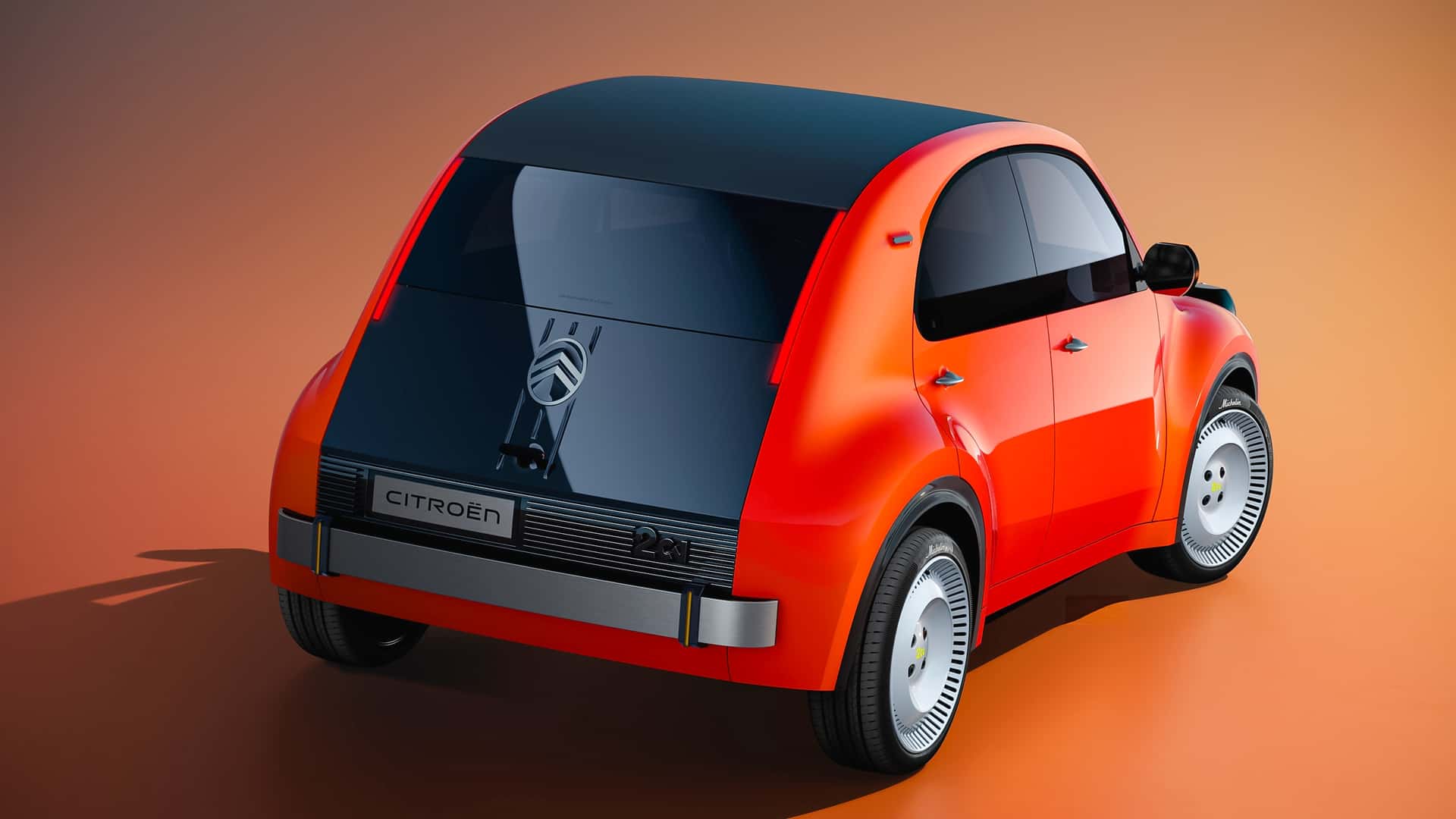
Examples included the Renault Espace, the Citroen Is Finally Bringing Back The 2CV. And I’m Here For It concept, and the Alpine A310 vision. These vehicles, while visually appealing and evocative of past glories, primarily served as tributes to their respective brands’ storied histories. The implicit message from these European car companies was an appeal to loyalty and nostalgia: “Stick with us, and it’ll be just like the good ole’ days.”
However, a critical question remains: Can a focus on tradition and design alone effectively counter the rapid technological advancements and aggressive market strategies of Chinese competitors? Many of the most exciting European efforts presented were still concept cars, raising concerns about their timeline for market readiness and whether their eventual production versions will truly match the technological capabilities already being delivered by Chinese manufacturers.
The Accelerating Charging War and Western Lag
One of the most quantifiable areas where the technological gap was apparent was in charging speeds. At least five production cars on display at the show demonstrated the ability to charge from 10-80% in under 11 minutes, and notably, none of these were from Western brands. Mercedes’ upcoming AMG GT 4-Door, for instance, achieves this in exactly 11 minutes, a figure the brand proudly highlights.
Yet, within the context of the broader market, this performance is quickly becoming the benchmark, not the exception. Zeekr, for example, casually mentioned that its updated 7X model now charges from 10-80% in 10.5 minutes, indicating that such speeds are almost becoming standard for Chinese brands. Companies like Geely and BYD are already pushing the boundaries further with megawatt charging speeds, enabling 10-97% charges in under nine minutes, and even 10-70% in less than five minutes.
When Li Auto announced its European-market model, the Li 6, could achieve a 10-80% charge in approximately 10 minutes, it felt less like a brag and more like a necessity to remain competitive. This disparity in charging infrastructure and battery technology underscores a qualitative edge held by Chinese automakers, who are already several iterations ahead in developing software-defined, 800-volt EV platforms, while many Western luxury brands are only just introducing their first generation.
Europe on the Defensive: A Multi-Front Battle
European car companies are increasingly acknowledging their vulnerable position within the global automotive industry. Unlike American legacy firms, which enjoy some temporary protection in their home market due to regulations hindering Chinese EV imports, European manufacturers face immediate and profound challenges.
The assault on European car companies is multi-faceted. Sales in China, a critical market, are collapsing as domestic competitors rapidly gain market share. Profits in the American market are being eroded by aggressive tariffs, while their home European market is now directly threatened by a growing influx of Chinese brands. Concurrently, higher energy, labour, and regulatory costs within Europe further exacerbate the difficulty of competing globally.
This dire situation has prompted executives from leading European brands to raise alarms during earnings calls and in discussions with government officials. As European nations weigh the potential economic impact of losing one of their most valuable industries, there is a clear willingness to implement defensive measures.
Regulatory Barriers and Market Realities
Current measures include steep tariffs on Chinese EVs, with some brands like Li Auto facing cumulative duties exceeding 40%. Europe is also tightening restrictions on hybrid imports, which were previously largely exempt. Despite these protective barriers, Chinese companies continue to penetrate the market with aggressive pricing strategies. For instance, Li Auto plans to price its Li 6 model in line with the BMW iX3, even though the Chinese offering provides more interior space and faster charging, albeit with a slightly shorter maximum range.
This suggests that existing legal and tariff barriers may not be sufficient to stem the tide. Consequently, European car companies are in a scramble to close the technological gap. While models like the iX3 offer impressive range and the Mercedes GLC EV boasts high efficiency, these attributes alone may not be enough to generate widespread consumer excitement. This is precisely why brands are heavily relying on their design and branding teams, hoping to rekindle the allure and loyalty they once commanded.
The strategy of leveraging design and emotional connection holds potential. A drive in the Li 6, showcasing its superior head-up display, swift Tesla-like interface, exceptionally comfortable seats, and luxurious ride, initially painted a pessimistic picture for Western competitors. However, observing a group of multi-coloured Renault Twingo EVs circulating in Paris brought a different perspective. Cars are often an emotional purchase, and a legendary design can significantly influence consumer choice, even against technologically superior and more affordable alternatives like the BYD Dolphin Surf.
The potential success of re-imagined classics like the reborn 2CV, which retains its friendly and unique aesthetic with modern refinements, or the E-Space concept with its lounge-on-wheels appeal, hinges on swift and decisive execution. The existence of swivel-seat Chinese production EVs on the same floor signals that such ambitious interior concepts are not just fanciful designs but market realities.
The Urgency of Execution and Humility
For European car companies to truly capitalize on this design advantage, they must execute with unprecedented speed and precision. Unlike Chinese companies, which rapidly bring concepts to market, test many ideas, and quickly discard underperforming ones, European firms often face longer development cycles. This agility and willingness to take calculated risks are what European car companies desperately need.
They must adopt a position of humility, acknowledging that they are currently operating from a disadvantage. In a global market characterized by dwindling profit margins and intensifying competition, this self-assessment is challenging. No company wishes to gamble its future, yet in Paris, European brands appeared willing to place their bets on their distinctive designs, enduring legacies, and loyal customer bases. The hope is that these assets will provide the necessary buffer until they can achieve technological parity with their Chinese rivals, blow for blow. The path ahead is uncertain, and success is far from guaranteed, but the question remains: what other viable option do they have?
Frequently Asked Questions (FAQ)
Q1: What was the main contrast between European and Chinese EVs at the Paris Motor Show?
The primary contrast was technological prowess. Chinese brands showcased production-ready vehicles with advanced EV tech, including ultra-fast charging, while European car companies largely focused on heritage-inspired concept cars and design, often lacking comparable technological innovation.
Q2: What specific technological advantages did Chinese EVs demonstrate?
Chinese EVs featured significantly faster charging times, with some models achieving 10-97% charge in under nine minutes. They also demonstrated advanced software-defined vehicle (SDV) platforms, 800-volt architectures, and innovative interior features like massaging recliners and sophisticated infotainment systems.
Q3: How are European car companies responding to the Chinese technological lead?
European manufacturers are leaning on their historical heritage and design excellence, presenting modern interpretations of classic models. They are also trying to improve current EV models while acknowledging the need to accelerate their technological development and market readiness to close the gap.
Q4: What market challenges do European automakers face globally?
European car companies are struggling with declining sales in the lucrative Chinese market, aggressive tariffs impacting profits in the United States, and intense competition from Chinese EV imports within their domestic European market. Higher operational costs in Europe further complicate their competitive position.
Q5: Are current tariffs effective against Chinese EV competition in Europe?
While tariffs on Chinese EVs exceed 40%, and restrictions on hybrid imports are tightening, they do not appear to be fully effective. Chinese brands continue to offer highly competitive pricing, exemplified by models like the Li 6, which aims to match the price of the BMW iX3 despite facing substantial duties.
Q6: Can design and brand loyalty alone sustain European car companies against this competition?
Design and emotional connection are powerful consumer drivers, as seen with renewed interest in models like the Renault Twingo. However, without significantly accelerating technological development, improving charging infrastructure, and matching the rapid innovation cycles of Chinese manufacturers, design alone may not be enough to secure long-term market leadership.