
Key Takeaways
- Chinese electric vehicle (EV) manufacturers showcased superior charging speeds, innovative designs, and advanced software platforms at the Paris Motor Show.
- European legacy automakers primarily responded by presenting re-interpreted concept versions of classic models, leaning heavily on brand heritage.
- A significant technological gap in fast-charging capabilities was evident, with several Chinese production EVs achieving 10-80% charge in under 11 minutes, significantly outpacing Western counterparts.
- European firms face immense pressure from collapsing sales in China, aggressive US tariffs, and increasing competition in their home market.
- Despite tariff barriers, Chinese brands like Li Auto plan competitive pricing, forcing European automakers to innovate rapidly and leverage emotional design to retain market share.
- The industry demands faster execution and greater risk-taking from European manufacturers to match the rapid product cycles of their Chinese rivals.
The recent Paris Motor Show served as a stark battleground, revealing a significant technological disparity between established European automakers and their rapidly advancing Chinese electric vehicle (EV) counterparts. While the event unfolded in the heart of Europe, the overwhelming presence and innovative offerings from Chinese brands like Geely, BYD, Li Auto, Zeekr, and Denza commanded considerable attention, overshadowing traditional European powerhouses.
Visitors to the Paris expo Porte de Versailles were greeted with prominent advertisements and expansive booths from these Chinese manufacturers. Their presentations highlighted cutting-edge EV technology, including remarkably fast charging times, impressive power figures, and unconventional, forward-thinking designs that often seemed to defy conventional automotive imagination.
Chinese EV Technology Sets New Benchmarks
At the forefront of innovation were companies demonstrating advancements that re-calibrated expectations for electric mobility. Brands like Zeekr showcased vehicles such as the 9X, an ultra-plug-in-hybrid boasting a substantial 111-mile electric range and luxurious features like plush recliners, operating on a 900-volt platform.
Li Auto introduced models like the Megahome, described as a ‘mobile home from the future,’ alongside its first European-market EV, the i6. This model promises an impressive 10-80% charge in under 11 minutes, coupled with advanced software, massaging rear recliners, and a comfortable air suspension system, positioning it as a significant contender against established luxury marques.
BYD, a global leader in EV production, further pushed boundaries by displaying cars capable of achieving a 10-97% charge in a staggering nine minutes, a benchmark figure that underscores the rapid progress in battery and charging technology emanating from China. These advancements collectively painted a picture of a dynamic and aggressive innovation cycle.

European Automakers Lean on Heritage Amidst EV Competition
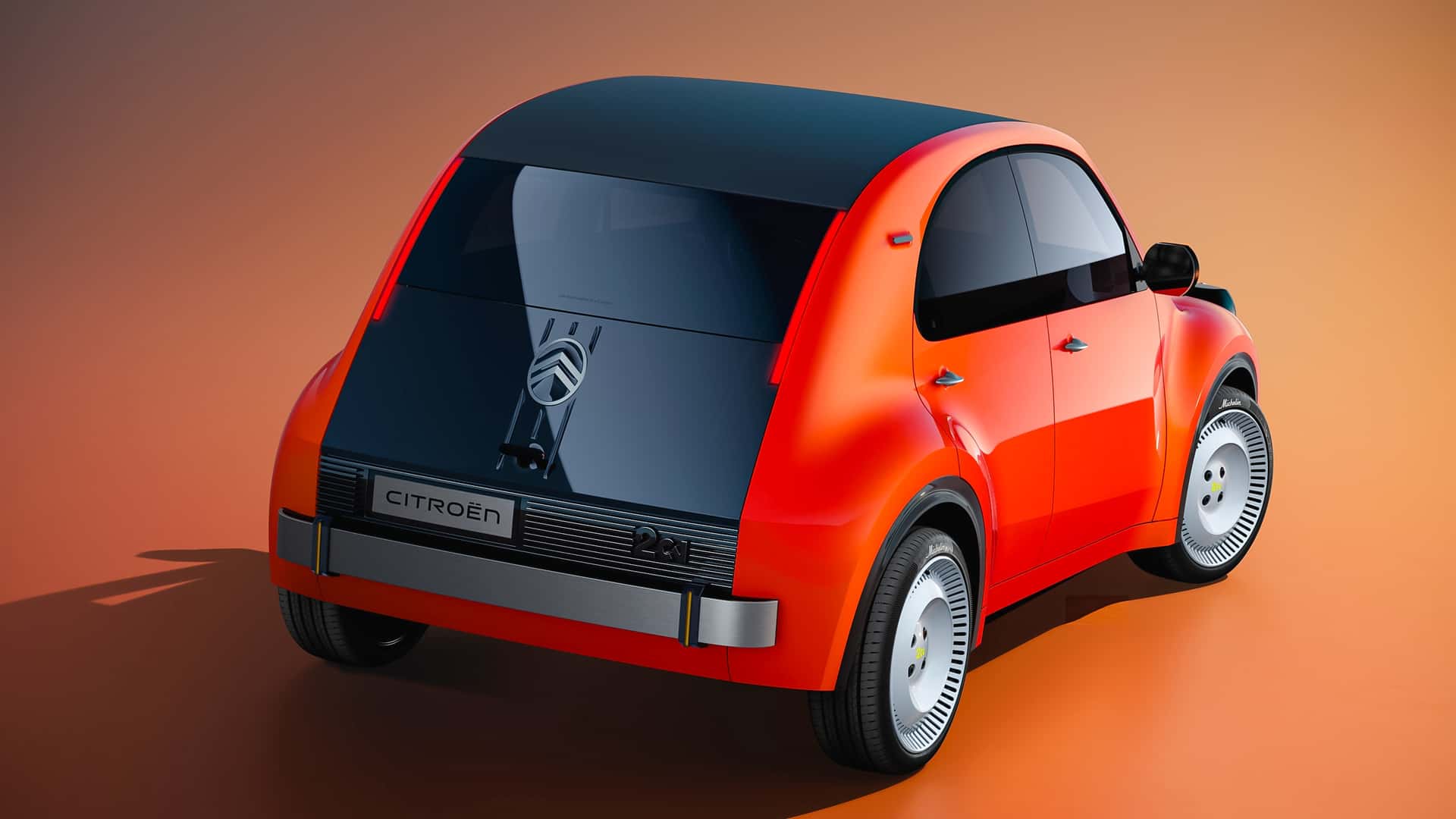
In contrast to the explicit technological showmanship of their Chinese rivals, European firms largely adopted a strategy centered on nostalgia and brand legacy. Prominent automakers like Renault, Peugeot, Citroën, and Alpine presented re-interpreted concept versions of their celebrated historical models.
Examples included modern renditions of the Renault Espace, the return of the Citroën 2CV in a contemporary concept, and the Alpine A310 Vision concept. The overarching message from these European automakers was a subtle appeal to consumer loyalty and a reminder of their storied past, suggesting continuity and familiar values in a rapidly evolving automotive landscape.
This strategy of emphasizing tradition, however, raises a critical question: can ‘heritage’ alone sufficiently counter the technological superiority and aggressive market entry of Chinese EV manufacturers? The viability of these concepts as future production models with competitive technology remains a key concern, particularly when juxtaposed against the ready-to-market, spec-sheet-dominating offerings from Asia.
The Accelerating ‘Charging War’ and Europe’s Lag
A crucial metric where the disparity was particularly pronounced was EV charging speed. At the Paris Motor Show, at least five production cars on display demonstrated the ability to charge from 10-80% in under 11 minutes. Remarkably, none of these cutting-edge vehicles were from Western brands.
While Mercedes-Benz’s upcoming AMG GT 4-Door achieved an 11-minute charging time, a figure the brand proudly highlighted, it was barely keeping pace with what Chinese manufacturers now consider standard. Zeekr, for instance, updated its 7X model to achieve 10-80% in 10.5 minutes, presenting it as an incremental improvement rather than a groundbreaking achievement, especially given its existing waiting list in Europe.
Chinese EV manufacturers, including Geely and BYD, are already implementing Megawatt charging speeds, enabling charges from 10-97% in under nine minutes, and even 10-70% in under five. This technological lead is not merely about speed; it signifies a deeper, generational advantage. While many Western luxury brands are only now introducing their first software-defined, 800-volt EV platforms, Chinese automakers are often on their second, fifth, or even tenth iteration of such advanced systems, pushing boundaries with higher voltage architectures like the 900-volt Zeekr 9X PHEV.
Europe’s Defensive Posture Amidst Global Pressures
European automakers are increasingly acknowledging their vulnerable position. Unlike American legacy firms, who enjoy a temporary reprieve in their home market due to protective regulations against Chinese EVs, European companies face an immediate and multi-pronged assault.
Their sales are rapidly declining in the critical Chinese market as domestic competitors capture significant market share. Simultaneously, aggressive tariffs in the United States are eroding profitability. Most crucially, their domestic market is now directly threatened by an expanding roster of competitive Chinese brands. Compounding these challenges are higher energy, labor, and regulatory costs within Europe, which further strain their global competitiveness.
Leading executives within the European automotive industry have openly voiced their concerns during earnings calls and in governmental discussions. Recognizing the potential economic implications, European nations are beginning to implement defensive measures. Chinese EVs currently face cumulative duties exceeding 40% in Europe, with restrictions on hybrid imports also being tightened.
Despite these barriers, Chinese manufacturers like Li Auto are determined to compete. The Li 6, for example, is planned to be priced comparably to the BMW iX3, offering superior interior space and faster charging, albeit with potentially different maximum ranges. This aggressive pricing strategy, even with tariffs, underscores the formidable challenge facing European automakers in their own backyard.
Design, Speed, and the Road Ahead for European Automakers
While the technological gap presents a significant hurdle, European automakers recognize that design and brand appeal remain powerful assets. Driving the Li 6 through Paris, equipped with its advanced head-up display, rapid Tesla-like interface, luxurious seats, and sumptuous ride, the challenge to European industry felt palpable.
However, the sight of a vibrant fleet of Renault Twingo EVs circulating in the city offered a glimmer of hope. It served as a reminder that automotive purchases are often deeply emotional. Leveraging legendary designs, such as the reborn, more refined 2CV or the charming Renault 5 and Twingo EVs, could prove durably appealing to consumers, even when faced with Chinese alternatives offering lower prices and longer ranges.
The E-Space concept, an innovative lounge-on-wheels, coach-door design, demonstrated that if Chinese production EVs can incorporate features like swivel seats, Renault could potentially bring similar luxury and functionality to market. The critical factor, however, is execution and speed.
Chinese companies operate with unparalleled agility, rapidly moving from concept to production, testing diverse ideas, and quickly iterating. For European automakers to survive and thrive in this evolving landscape, they must adopt similar operational methodologies. This entails moving faster, taking calculated risks, and operating from a position of humility, acknowledging their current competitive disadvantage.
In an era of shrinking profit margins and heightened competition, this paradigm shift is undoubtedly challenging. Yet, as the Paris Motor Show vividly illustrated, European automakers find themselves at a critical juncture, betting heavily on their enduring designs, rich legacies, and loyal customer bases to navigate this turbulent period until they can match the technological prowess of their Chinese rivals. The path forward is arduous, but the alternative appears to be significantly more perilous.
FAQ Section
Q1: What was the main competitive challenge European automakers faced at the Paris Motor Show?
European automakers faced a significant challenge from Chinese EV manufacturers who showcased superior charging technology, advanced software, and innovative designs. This technological lead, particularly in fast-charging capabilities, highlighted a considerable gap compared to what European brands presented.
Q2: How did European brands respond to the influx of advanced Chinese EVs?
European brands primarily responded by leaning on their heritage. They exhibited re-interpreted concept versions of classic models like the Renault Espace, Citroën 2CV, and Alpine A310, aiming to evoke nostalgia and emphasize their design legacy rather than competing directly on cutting-edge EV technology.
Q3: What specific technological advantages did Chinese EVs demonstrate?
Chinese EVs demonstrated rapid charging speeds, with some models achieving 10-80% charge in under 11 minutes, and even 10-97% in under nine minutes. They also showcased advanced software-defined vehicle (SDV) platforms, higher voltage architectures (like 900-volt systems), and innovative interior features such as plush recliners and intuitive user interfaces.
Q4: What geopolitical and economic pressures are European automakers currently facing?
European automakers are experiencing declining sales in China, aggressive tariffs in the US market, and increased competition from Chinese brands within their home market. Additionally, higher energy, labor, and regulatory costs in Europe further complicate their ability to compete globally.
Q5: Are tariffs enough to protect the European automotive market from Chinese EVs?
Current evidence suggests tariffs alone may not be sufficient. Despite cumulative duties of over 40% on Chinese EVs and tightening restrictions on hybrids, brands like Li Auto still plan to price their models competitively with European luxury EVs, indicating a need for European automakers to enhance their intrinsic product competitiveness.
Q6: What strategy might allow European automakers to regain their competitive edge?
To regain competitiveness, European automakers must accelerate their innovation cycles, take more strategic risks, and focus on efficient execution. Leveraging their strong design capabilities for emotionally appealing models, while rapidly integrating advanced EV technology, is crucial to matching the speed and technological prowess of their Chinese counterparts.