
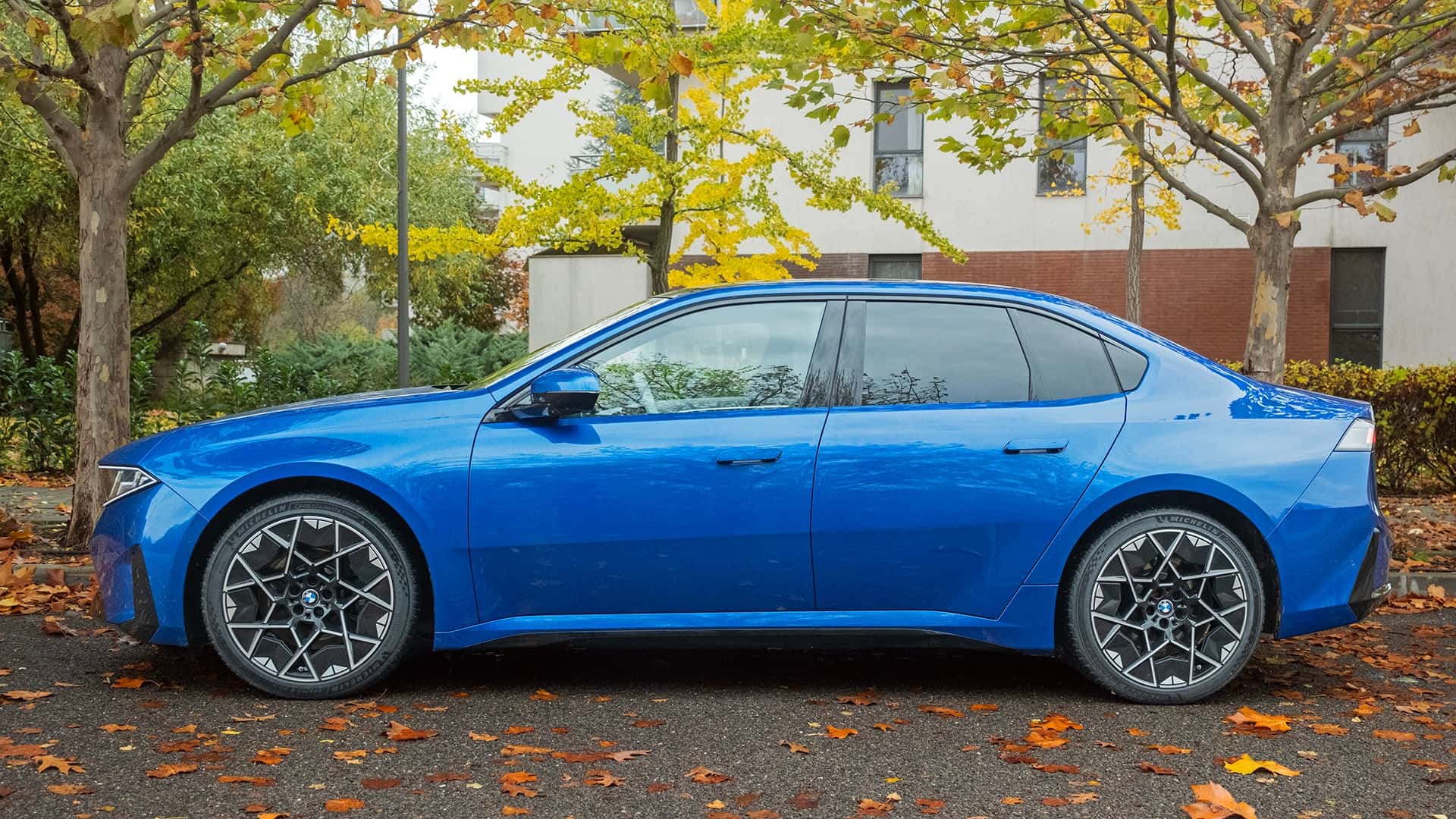
Key Takeaways:
- Many electric sedans, despite ample legroom, suffer from compromised rear passenger comfort due to high floor heights.
- The “skateboard” battery layout, while beneficial for handling and packaging, elevates the floor, reducing thigh support.
- Designers face a challenge in low-slung sedans: raising seats leads to headroom issues, while maintaining a low roofline means passengers sit with knees elevated.
- Innovative solutions include recessed footwells (“foot garages”) and strategically relocating battery modules from under the rear seats.
- These design choices often involve trade-offs, potentially impacting overall battery capacity but are crucial for enhancing electric sedan rear passenger comfort and wider adoption.
While electric sedans offer a compelling blend of performance, efficiency, and sleek aesthetics, a growing concern among automotive enthusiasts and passengers alike revolves around a seemingly minor yet significant design compromise: the comfort level of the rear seats. Despite generous distances to the front seatbacks and ample shoulder and headroom, many electric sedans leave rear occupants feeling awkwardly positioned, often with knees pushed uncomfortably high.

This issue stems not from a lack of interior space, but from a fundamental aspect of modern electric vehicle (EV) architecture. Passengers frequently report a lack of proper thigh support, with their feet sitting too high, causing their knees to dangle without adequate cushioning. This ergonomic challenge undermines the overall passenger experience, particularly during longer journeys.
The Skateboard Platform: A Double-Edged Sword for EV Design
At the heart of this design conundrum lies the ubiquitous “skateboard” chassis layout. This industry-standard configuration integrates a large, flat battery pack directly into the vehicle’s floor, forming a structural base. Its widespread adoption is justified by several engineering advantages.
By positioning the heaviest component—the battery—low in the chassis, the skateboard architecture significantly enhances vehicle stability, lowers the centre of gravity, and improves dynamic handling characteristics. Furthermore, it efficiently packages a bulky power source without encroaching excessively on the trunk or primary passenger compartment, allowing for greater design flexibility and interior volume in certain dimensions.

However, this advantageous placement comes with an inherent drawback: the battery cells, their protective enclosure, and the intricate cooling hardware collectively add substantial thickness to the vehicle’s floor. This elevated floor height, while manageable in taller vehicle segments, directly impacts the natural seating posture for rear passengers in lower-slung electric sedans.
In contrast, taller crossovers or SUVs can more easily accommodate the floor-mounted battery by raising the seating position without compromising headroom. Their inherently higher rooflines provide the necessary vertical space. For a sleek electric sedan or hatchback, such an adjustment would lead to occupants sitting too high, uncomfortably close to the headliner. Alternatively, raising the roof of the sedan would negate many of the aerodynamic and aesthetic benefits inherent in its design.
Engineering Solutions for Enhanced Electric Sedan Rear Passenger Comfort
Recognising this critical packaging conflict, several automotive manufacturers have begun to innovate, seeking solutions that preserve both the vehicle’s design integrity and rear passenger comfort. These advancements highlight a growing understanding within the industry of the need to address passenger ergonomics comprehensively.
Porsche’s Innovative ‘Foot Garages’ in the Taycan
Porsche explicitly identified the challenge during the development of its acclaimed Taycan electric sports sedan. The brand sought to maintain a low-slung, performance-oriented profile while ensuring comfortable seating for all occupants. This delicate balance required a creative engineering approach to address the elevated floor caused by the battery.
Michael Mauer, Porsche’s design chief during the Taycan’s development, openly acknowledged the difficulty in 2019. He stated that the team had to find a compromise between the competing demands of a low roofline and a large battery under the cabin. “We solved this with so-called ‘foot garages’,” Mauer explained, referring to strategically placed recesses within the battery pack that provide rear passengers with lower footwells.
This innovative solution was deemed “the greatest challenge” by Mauer but proved crucial. It successfully preserved the Taycan’s distinctive low stance while offering decent foot room and improved thigh support for rear passengers. This design philosophy is also evident in the Taycan’s sibling vehicle, the Audi E-Tron GT, which shares an identical structural approach.
Lucid Air: Prioritising Rear Room in Select Variants
Another notable exception to the common compromise is found in certain variants of the Lucid Air. The Air Pure and Touring models offer superior electric sedan rear passenger comfort, achieved by strategically removing battery modules from the area beneath the rear passenger footwell.
This design choice allows the floor in these variants to be closer to that of a conventional combustion engine sedan, providing a more natural and supportive seating position. Conversely, Air variants equipped with larger battery capacities, such as the Grand Touring, retain a higher floor, which can result in reduced rear foot space and a less comfortable knee-high posture.
Strategic Battery Relocation: Jaguar and Polestar’s Approach
Automakers are also exploring the strategic relocation of battery modules to optimise interior space. Jaguar, with its upcoming Type-01 electric sedan, is adopting a similar principle. Engineers have moved a row of battery modules from the rear passenger area to the front of the car.
This innovative packaging was facilitated by the Type-01’s exceptionally long hood and dash-to-axle ratio, providing ample space to integrate additional battery capacity without impinging on electric sedan rear passenger comfort. This approach allows the vehicle to maintain its intended low profile and spacious cabin ergonomics.
The Polestar 5 demonstrates a comparable design strategy, contributing to its ability to maintain a body style no taller than a conventional combustion vehicle. Similarly, Volvo, under the Geely umbrella, has indicated that its new SPA3 platform is engineered to allow for the exclusion of battery cells from beneath passengers’ feet. This flexibility could pave the way for properly low electric wagons, promising an exciting future for diverse EV body styles.
The Trade-Offs and Future Outlook for EV Design
While these engineering marvels offer compelling solutions for electric sedan rear passenger comfort, they often involve a crucial trade-off: a potentially lower overall battery pack capacity. By creating recessed footwells or relocating modules, designers might have to sacrifice some energy storage volume. However, the development of thinner battery packs and advanced cell chemistries is gradually mitigating this compromise.
For manufacturers, the decision involves balancing range and performance with occupant comfort. Yet, for consumers who frequently transport adult passengers, an uncomfortable rear seating position can be a significant deterrent. Therefore, ensuring adequate thigh support and ergonomic seating in the rear of electric sedans is not merely a luxury but a crucial factor for broader market acceptance and user satisfaction.
Prospective buyers of electric sedans are advised to meticulously evaluate the rear seating ergonomics. Before finalising a purchase, it is prudent to sit in the rear seats with the front seats adjusted to one’s own driving position. This practical assessment can help determine whether the seat cushion provides sufficient thigh support and overall comfort for passengers. As the EV market matures, the demand for uncompromising passenger comfort across all seating positions will undoubtedly drive further innovation in vehicle architecture and battery integration.
Frequently Asked Questions (FAQ)
Why are rear seats in electric sedans often less comfortable?
Rear seats in many electric sedans can feel uncomfortable due to the “skateboard” chassis, which places a large battery pack under the floor. This elevates the floor height, causing passengers’ knees to sit too high and reducing crucial thigh support.
What is the “skateboard” chassis layout?
The “skateboard” chassis is a common EV design where the battery pack is integrated into the vehicle’s floor. It keeps the vehicle’s centre of gravity low for stability and optimises space, but it also adds thickness underfoot, impacting electric sedan rear passenger comfort.
How do manufacturers address the high floor issue in electric sedans?
Automakers employ various solutions, including recessed footwells, often called “foot garages,” as seen in the Porsche Taycan. Others, like Lucid and Jaguar, strategically relocate battery modules from the rear passenger area to other parts of the vehicle to lower the floor.
Do taller EVs like SUVs have the same rear seat comfort issues?
Taller electric crossovers and SUVs generally face fewer issues with rear passenger comfort from floor-mounted batteries. Their higher rooflines allow designers more room to raise the seats, accommodating the elevated floor without compromising headroom or thigh support significantly.
Does improving rear seat comfort affect battery range?
Sometimes, creating more rear footwell space or relocating battery modules can reduce the overall battery pack capacity, potentially affecting the vehicle’s total range. However, advancements in battery technology and thinner pack designs are helping to minimise this trade-off.
What should I look for when buying an electric sedan for rear passenger comfort?
When considering an electric sedan, always physically sit in the rear seats. Pay close attention to how high your knees are, whether your thighs are adequately supported by the seat cushion, and if there is ample foot room. Test it with the front seats in a typical driving position.