
Key Takeaways (TL;DR):
- Electric sedans, despite their appeal, frequently compromise rear passenger comfort due to floor-mounted batteries.
- The industry-standard ‘skateboard platform’ raises the floor, reducing thigh support and making rear seating awkward.
- While beneficial for stability, this design conflicts with low rooflines, making full leg extension difficult.
- Innovations like Porsche’s ‘foot garages’ and Lucid Air’s modular battery design offer solutions by creating recessed footwells or relocating battery components.
- These engineering solutions often involve trade-offs, such as reduced overall battery capacity, highlighting an ongoing challenge for EV designers.
- Prospective buyers should prioritize assessing rear seat ergonomics, including thigh support and footwell depth, before purchasing an electric sedan.
Electric sedans are increasingly lauded for their sleek aesthetics, dynamic handling, and environmental benefits. They represent a significant shift in automotive engineering, offering a low centre of gravity and silent, responsive powertrains. However, a less-discussed aspect often undermines the otherwise impressive package: the compromise in rear passenger comfort.

Many electric sedans, despite offering ample legroom and headroom, leave rear occupants feeling awkwardly positioned. This discomfort typically manifests as knees pushed uncomfortably high, insufficient thigh support, and feet resting at an elevated angle, creating an uncomfortable ‘knees-into-chest’ sensation.
The Silent Compromise: How EV Battery Placement Affects Rear Passenger Comfort
At the heart of this ergonomic challenge lies the fundamental architecture of most modern electric vehicles (EVs). The ubiquitous ‘skateboard platform,’ where a large, flat battery pack is integrated into the vehicle’s floor, is the primary culprit.
This design decision is not arbitrary; it offers compelling advantages. Placing the heaviest component, the battery, low in the chassis significantly enhances stability, improves handling dynamics, and efficiently packages the bulky power source without infringing upon traditional trunk or engine bay spaces.

Understanding the Skateboard Platform
The skateboard platform positions battery cells, their protective enclosure, and vital cooling hardware directly beneath the cabin floor. While ingeniously saving space elsewhere, this configuration invariably adds substantial thickness to the floor pan. This elevated floor directly impacts the space available for passengers’ feet.
In conventional internal combustion engine (ICE) vehicles, the floor can be significantly lower, allowing for deeper footwells and a more natural seating posture where thighs are adequately supported by the seat cushion. The inherent elevation caused by the battery pack in electric sedans disrupts this ergonomic ideal, especially in the rear.
The Core Design Dilemma for Electric Sedans
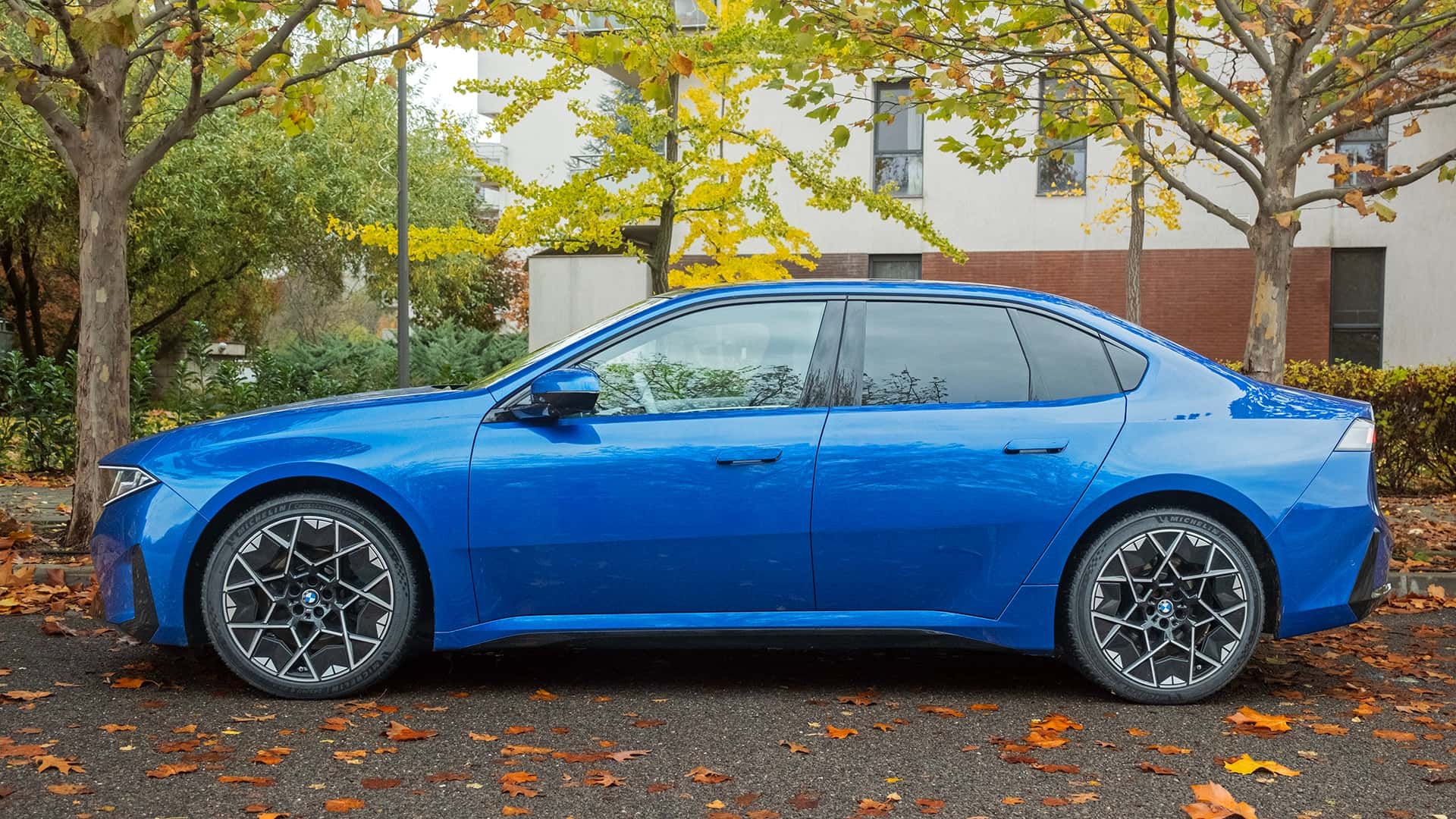
The issue becomes particularly pronounced in low-slung electric sedans and hatchbacks. Designers aim to maintain a sleek, aerodynamic profile, which necessitates a relatively low roofline. However, if the floor is already elevated due to the battery, raising the seats to compensate for better thigh support would bring passengers uncomfortably close to the headliner.
Conversely, raising the entire roofline to accommodate both the battery and comfortable seating would negate many of the aerodynamic and aesthetic benefits that define a sedan. This creates a challenging paradox for automotive engineers and designers striving to balance performance, aesthetics, and practical passenger ergonomics.
In contrast, taller electric crossovers and SUVs have more vertical space to work with. Their inherently higher ride height and greater overall body volume allow designers to raise seat heights without compromising headroom, effectively mitigating the rear passenger comfort issue stemming from the floor-mounted battery.
This design conflict has led to some electric sedans appearing subtly taller than their ICE counterparts, even when adhering to the traditional three-box form factor. Vehicles like the Polestar 2, the new BMW i3, and the Mercedes-Benz C-Class Electric exemplify this design evolution, where the added height accommodates the underfloor battery.
Innovative Solutions for Enhanced Rear Passenger Space
Recognising the critical importance of passenger comfort, especially for a vehicle segment targeting discerning buyers, several manufacturers have invested in innovative engineering solutions to circumvent the limitations of the skateboard platform.
Porsche’s “Foot Garages”: A Pioneering Approach
Porsche, during the development of its groundbreaking Taycan, explicitly addressed this packaging conflict. Michael Mauer, Porsche’s design chief at the time of the Taycan’s development, openly acknowledged the challenge in 2019.
He stated, “We solved this with so-called ‘foot garages’,” referring to strategically placed recesses within the battery pack itself. These ‘foot garages’ create lower pockets where rear passengers can place their feet, significantly improving leg and thigh support without altering the vehicle’s low-slung, performance-oriented stance.
Mauer concluded that this engineering solution was “the greatest challenge,” underscoring the complexity of integrating such features into a high-performance electric sports sedan. This innovative approach has since been mirrored in the Taycan’s sister vehicle, the Audi E-Tron GT, which shares an identical rear footwell design.
Lucid Air’s Strategic Battery Relocation
Another notable example comes from Lucid Motors with its Air sedan. The Pure and Touring variants of the Lucid Air are engineered to provide superior rear passenger comfort, which is achieved by a clever re-configuration of the battery modules.
In these models, specific battery modules are strategically removed from the rear passenger footwell area. This design choice creates a noticeably lower floor, allowing for a seating experience akin to a conventional combustion-engine sedan. Interestingly, the Grand Touring variants, which feature larger battery packs, illustrate the trade-off: their floors are higher, resulting in less rear foot space and a more elevated knee position.
Jaguar and Polestar’s Engineering Marvels
Jaguar’s upcoming Type-01 also adopts a similar philosophy to prioritise rear occupant comfort. Engineers have relocated a row of battery modules from beneath the rear passenger area to the front of the vehicle. This was made possible by the car’s unusually long hood and generous dash-to-axle ratio, providing ample space to redistribute battery capacity without compromising the rear cabin.
The Polestar 5 similarly implements a battery packaging strategy that allows it to maintain a low profile comparable to a combustion-engine vehicle of the same body style. These designs demonstrate a growing trend towards more thoughtful integration of battery technology to enhance electric sedan rear passenger comfort.
Volvo’s Vision for Future EV Design
Further demonstrating this evolving design philosophy, Volvo, another brand under the Geely umbrella, has indicated that its new SPA3 platform is designed with the flexibility to omit battery cells beneath passengers’ feet. This innovative platform could pave the way for properly low electric wagons, signifying a commitment to diverse body styles without sacrificing crucial interior ergonomics.
The Trade-offs and Future of EV Interior Design
While these solutions significantly improve electric sedan rear passenger comfort, they often come with inherent trade-offs. The primary compromise for creating more shoe space and deeper footwells is typically a reduction in overall battery pack capacity.
Balancing Battery Capacity and Passenger Ergonomics
Manufacturers must carefully balance the desire for maximum driving range—which demands larger battery packs—with the need for optimal interior ergonomics. The adoption of thinner battery packs or next-generation cell technologies could alleviate some of these pressures in the future, allowing for both ample range and superior passenger comfort without the need for extensive design compromises.
Ultimately, the objective is to make low-riding EV back seats as comfortable and supportive as their ICE counterparts. This will encourage more consumers to choose electric sedans over higher-riding vehicles like SUVs and crossovers, contributing to broader EV adoption across different market segments.
What Consumers Should Consider When Buying an Electric Sedan
For individuals who frequently transport adult passengers, or for those considering an EV for family use or ride-sharing purposes, the rear seating experience can be a critical deal-breaker. A seemingly minor ergonomic flaw can become a significant source of discomfort on longer journeys.
Prospective buyers are strongly advised to thoroughly evaluate the rear passenger compartment of any electric sedan. It is crucial to sit in the rear seat with the front seats adjusted to a typical driving position, checking specifically for thigh support and the natural placement of feet. Ensuring that the seat cushion provides adequate support and that knees are not uncomfortably elevated will guarantee a more satisfactory ownership experience for all occupants.
The evolution of electric vehicle design is a continuous journey of innovation and compromise. Addressing the nuances of electric sedan rear passenger comfort remains a vital area for automotive engineers, ensuring that the transition to electric mobility is comfortable and appealing for every passenger.
Frequently Asked Questions (FAQ)
Q1: Why are rear seats in some electric sedans less comfortable than in traditional cars?
A1: The primary reason is the placement of large battery packs beneath the vehicle floor, known as the ‘skateboard platform.’ This raises the floor, reducing the available depth for footwells and altering the seating angle, which can lead to insufficient thigh support and an awkward ‘knees-up’ posture for rear passengers.
Q2: What is the ‘skateboard platform’ and how does it relate to EV design?
A2: The ‘skateboard platform’ is a common EV architecture where the battery, motors, and other components are housed in a flat chassis beneath the passenger cabin. It lowers the vehicle’s centre of gravity for better handling and efficiently packages bulky components but elevates the cabin floor, impacting rear passenger footroom.
Q3: Do electric SUVs and crossovers face the same rear comfort issues?
A3: Generally, electric SUVs and crossovers mitigate this issue more effectively. Their inherently taller body design provides more vertical space, allowing designers to raise the seats higher relative to the elevated floor. This preserves better thigh support and footwell depth compared to lower-slung electric sedans.
Q4: How have some EV manufacturers addressed the rear passenger comfort problem?
A4: Manufacturers like Porsche (with its Taycan’s ‘foot garages’), Lucid (by relocating battery modules in some Air variants), and Jaguar (by moving modules to the front in its Type-01) have engineered innovative solutions. These involve creating recessed footwells or reconfiguring battery placement to create more natural seating positions.
Q5: Are there any trade-offs when designing for better rear passenger comfort in EVs?
A5: Yes, there can be trade-offs. Solutions like creating footwells within the battery pack or relocating modules might slightly reduce the overall battery capacity, potentially affecting range. Designers must find a balance between maximising battery size for range and optimising interior ergonomics for passenger comfort.
Q6: What should I look for in the rear seats of an electric sedan before buying?
A6: When considering an electric sedan, it’s crucial to physically sit in the rear seats. Pay close attention to thigh support – ensure your thighs are adequately cushioned and not dangling. Also, check the footwell depth and how high your knees sit. This will help determine if the seating position is comfortable for adult passengers on longer journeys.