
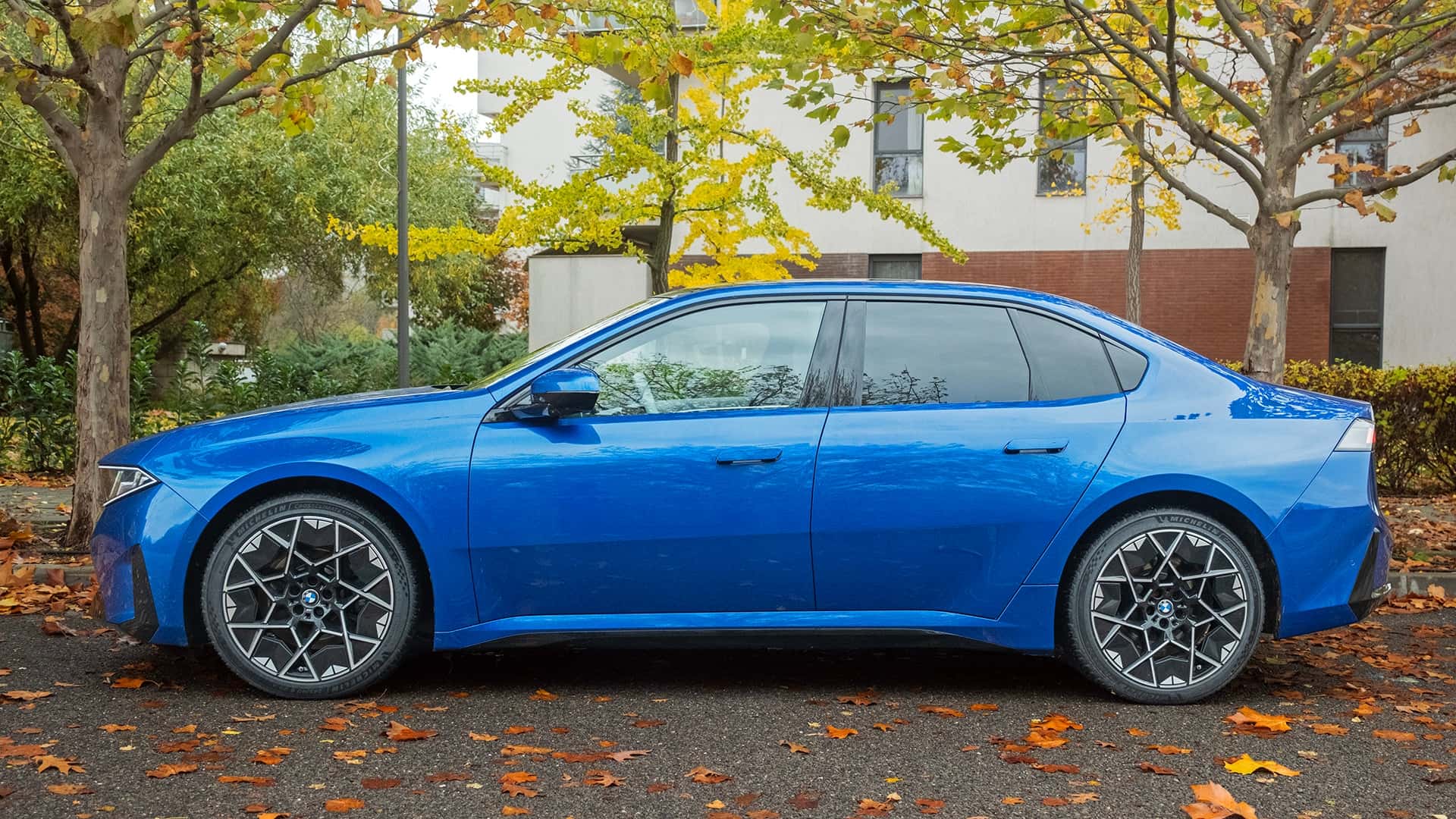
While electric sedans often present a compelling vision of sustainable, high-performance motoring, a critical ergonomic challenge frequently surfaces in their design: rear passenger comfort. Enthusiasts laud their low, sleek profiles and responsive handling, yet many discover an unexpected compromise when occupying the back seats – a seating position that often leaves adult passengers feeling awkwardly folded, with knees uncomfortably high and thighs unsupported. This issue, subtle yet significant, stems directly from the innovative, yet often restrictive, architecture of modern electric vehicles (EVs).
This detailed examination delves into the root causes of this design dilemma, exploring how the prevalent ‘skateboard’ battery layout impacts vehicle ergonomics and reviewing the pioneering solutions automotive manufacturers are developing to address this crucial aspect of electric sedan rear comfort. Understanding these design trade-offs is essential for both consumers and industry stakeholders as the automotive landscape continues its rapid electrification.

Key Takeaways:
- The floor-mounted battery in electric sedans, while beneficial for stability and space, raises the rear floor, leading to compromised passenger legroom and thigh support.
- Unlike taller SUVs and crossovers, sedans have limited flexibility to raise rear seats without impacting headroom or design aesthetics.
- Innovative solutions, such as Porsche’s “foot garages” and Lucid Air’s reconfigured battery modules, aim to create more comfortable rear footwells.
- Some manufacturers are exploring battery relocation strategies, like moving modules to the front, to enhance rear passenger space.
- A common trade-off for improved rear comfort is often a reduction in overall battery pack capacity or a slightly taller vehicle profile.
- Prospective buyers should rigorously evaluate rear passenger ergonomics, particularly thigh support, before committing to an electric sedan.
The Core Challenge: Battery Packaging and Rear Passenger Comfort
The transition to electric vehicles has ushered in a transformative era of automotive design, largely characterized by the ‘skateboard’ platform. This revolutionary layout positions the entire battery pack, along with electric motors and other powertrain components, flat beneath the vehicle floor. The design offers significant advantages, including a low center of gravity that enhances stability and handling, and frees up cabin and trunk space that would traditionally be occupied by a combustion engine and transmission.
However, this seemingly efficient use of space introduces a specific design constraint, particularly in lower-profile vehicles like sedans. The substantial thickness of the battery cells, their protective enclosure, cooling hardware, and structural elements cumulatively raise the floor height where rear passengers place their feet. This elevated floor fundamentally alters the natural seating posture, often to the detriment of comfort.
Ergonomic Implications of the Skateboard Architecture
When the floor is significantly higher relative to the seat cushion, passengers find their knees pushed upwards, sometimes to chest level. This creates an uncomfortable angle for the legs and causes a noticeable lack of thigh support, as the thighs lift off the seat cushion and dangle unsupported. Such a posture can become particularly taxing on longer journeys, transforming what should be a relaxing ride into an exercise in discomfort.

In contrast, taller vehicles such as electric crossovers and SUVs possess greater vertical space, affording designers more leeway to raise the rear seats in proportion to the elevated floor. This adjustment helps maintain a more natural and comfortable seating angle for passengers, mitigating the ergonomic issues observed in their sedan counterparts. The inherent vertical space in these larger vehicle classes provides a crucial buffer against the impact of the floor-mounted battery.
The Ergonomic Conundrum in Low-Slung EVs
For electric sedans, the challenge is amplified by their very design philosophy. A key appeal of sedans lies in their sleek, low-slung aesthetics and aerodynamic efficiency. Attempting to compensate for a higher floor by simply raising the rear seats would invariably lead to two undesirable outcomes. Firstly, it could bring passengers uncomfortably close to the headliner, diminishing headroom. Secondly, and perhaps more critically, it would necessitate raising the roofline, thereby negating the aerodynamic and stylistic benefits that define a sedan.
This inherent conflict means that automotive designers face a difficult choice. To preserve the characteristic sedan silhouette and its associated advantages, something must often be compromised, and it is frequently the crucial aspect of rear thigh support. This design trade-off underscores why achieving optimal electric sedan rear comfort remains a complex puzzle for engineers and designers alike.
Porsche’s Innovative “Foot Garages” in the Taycan
Porsche, a brand synonymous with performance and meticulous engineering, explicitly recognized this packaging dilemma during the development of its groundbreaking electric sports sedan, the Taycan. Rather than compromising the car’s low roofline or dynamic stance, Porsche engineers devised an innovative solution. Michael Mauer, Porsche’s design chief during the Taycan’s development, openly acknowledged the challenge in 2019, stating that the team had to find a delicate balance.
“We solved this with so-called ‘foot garages’,” Mauer explained. These ‘foot garages’ refer to cleverly integrated recesses within the battery pack itself, specifically designed to provide rear passengers with a lower area to place their feet. This ingenious engineering solution was deemed by Mauer as “the greatest challenge,” highlighting its critical role in preserving the Taycan’s distinctive low-slung posture while ensuring acceptable rear foot room. The Audi E-Tron GT, built on the same platform as the Taycan, also incorporates this identical design feature.
Engineering Solutions to Enhance Electric Sedan Rear Comfort
While the Taycan’s ‘foot garages’ represent a significant stride, other manufacturers are also exploring diverse strategies to optimize rear passenger space in electric sedans. These approaches range from fundamental changes in battery module placement to advanced platform designs, all aimed at delivering a more comfortable experience without sacrificing the core attributes of a performance sedan.
Lucid Air’s Approach to Maximising Rear Footwell Space
A notable exception to the prevailing high-floor trend in electric sedans is found in the Lucid Air Pure. This vehicle, along with its Touring variant, offers superior rear passenger room, largely achieved by strategically removing battery modules from the direct area beneath the rear passenger footwell. This design choice creates a floor that feels significantly lower and more akin to that of a traditional internal combustion engine (ICE) sedan, greatly enhancing electric sedan rear comfort.
Conversely, the Lucid Air Grand Touring, which houses larger battery packs for extended range, demonstrates the direct correlation between battery capacity and interior packaging. In these variants, the floor is noticeably higher, resulting in less rear foot space and a seating position where passengers’ knees are pushed further upwards. This illustrates the intricate balance designers must strike between energy density and passenger ergonomics.
Jaguar Type-01 and Polestar 5: Repositioning Battery Modules
Another innovative strategy involves the strategic relocation of battery modules to areas less critical for passenger ergonomics. Jaguar’s forthcoming Type-01 exemplifies this approach. Engineers have reportedly moved a row of battery modules from the rear passenger area to the front of the car. This was made possible by the vehicle’s exceptionally long hood and a generous dash-to-axle ratio, which provided ample space to accommodate additional battery capacity upfront without compromising crucial rear comfort.
Similarly, the Polestar 5, another model focused on maintaining a sleek, low profile, adopts a comparable setup. This design allows the Polestar 5 to present a silhouette no taller than a comparable combustion-engined vehicle, effectively circumventing the height penalty often associated with floor-mounted battery packs in EVs. These examples underscore a growing trend where advanced packaging solutions are being employed to integrate large battery capacities without sacrificing cabin space or design integrity.
Volvo’s Vision for a Low Electric Wagon
The advancements in modular platform design also hold significant promise for future EV configurations. Volvo, a brand under the Geely umbrella, has indicated that its new SPA3 platform is engineered with the flexibility to omit battery cells directly beneath passengers’ feet. This inherent design capability opens the door for the development of truly low-riding electric vehicles, including potentially an electric wagon that could offer exceptional electric sedan rear comfort and versatility.
While Volvo has yet to commit to building such a vehicle, the technological groundwork suggests a future where diverse body styles can be realized without the compromises currently faced by many electric sedans. This flexibility in battery integration is a crucial step towards creating a broader range of electric vehicles that cater to varied consumer preferences and ergonomic requirements.
The Inherent Trade-offs in EV Design
Achieving superior rear passenger space in an electric sedan often entails a direct trade-off with other critical aspects of vehicle performance and utility. The most common compromise involves overall battery pack capacity. By creating cutouts or relocating modules to free up footwell space, the total volume available for battery cells can be reduced, potentially impacting the vehicle’s range or power output.
However, the industry is continuously innovating. The development of thinner battery packs, with higher energy density, offers a promising pathway to mitigate this challenge. Such advancements could allow for more comfortable rear seating without necessitating significant reductions in battery capacity. The ultimate goal remains clear: to develop low EV back seats that are genuinely comfortable, encouraging a wider adoption of electric sedans over higher-riding SUVs that currently dominate the market.
The push for enhanced electric sedan rear comfort is not merely about luxury; it is about broadening the appeal and practicality of this vital vehicle segment. By overcoming these ergonomic hurdles, manufacturers can ensure that electric sedans are not just appealing to drive, but also comfortable for all occupants, fostering a more inclusive transition to electric mobility.
Crucial Considerations for Prospective Electric Sedan Buyers
Given the nuanced design challenges inherent in electric sedans, prospective buyers are strongly advised to go beyond standard specifications when evaluating a vehicle. While factors like distance to the front seat, shoulder room, and headroom are important, the often-overlooked aspect of underfoot clearance and thigh support in the rear seats can be a deal-breaker for those who frequently transport adult passengers.
Before making a purchase decision, it is imperative to conduct a thorough real-world assessment. Sit in the rear passenger seat with the front seat adjusted to your own driving position. Pay close attention to how your feet rest and whether the seat cushion adequately supports your thighs. An uncomfortable seating position for regular adult passengers could significantly diminish the overall ownership experience, regardless of the vehicle’s other merits. Ensuring optimal electric sedan rear comfort is a key step towards satisfaction.
Frequently Asked Questions (FAQ)
What is the main reason for compromised rear comfort in electric sedans?
The primary reason is the floor-mounted battery pack, a core component of the ‘skateboard’ chassis design. This battery adds substantial thickness beneath the cabin floor, elevating the rear footwell and leading to an unnatural, knees-up seating posture with reduced thigh support for passengers.
Why is this issue more prevalent in sedans than SUVs?
Sedans have lower rooflines and sleek profiles for aerodynamics and aesthetics. Unlike taller SUVs, which can raise seat heights to compensate for the elevated floor without compromising headroom, sedans have limited vertical space. Raising seats in a sedan would either reduce headroom or require a taller, less aerodynamic body.
What are “foot garages” in electric vehicles?
“Foot garages” are recessed areas specifically carved into the battery pack beneath the rear passenger seats. Pioneered by Porsche in the Taycan, these cutouts allow rear occupants to place their feet lower, creating a more natural seating angle and significantly improving legroom and overall electric sedan rear comfort.
Do all electric sedans have this rear comfort issue?
While many electric sedans face this challenge, some models offer innovative solutions. Vehicles like the Lucid Air Pure and Touring variants, or those implementing battery relocation strategies as seen in the Jaguar Type-01 and Polestar 5, have successfully mitigated the problem, providing more comfortable rear seating experiences.
Does improving rear comfort impact battery capacity?
Often, yes. Creating more space in the rear footwell by recessing or relocating battery modules can reduce the total volume available for battery cells. This may lead to a trade-off, where enhanced rear passenger comfort comes at the expense of maximum battery capacity, potentially affecting the vehicle’s overall driving range.
What should I look for when testing an electric sedan’s rear comfort?
When test-driving an electric sedan, it is crucial to sit in the rear seat with the front seat adjusted to a typical driving position. Pay close attention to footwell depth, ensure your feet are not too high, and verify that the seat cushion provides adequate support for your thighs. A lack of thigh support can quickly lead to discomfort on longer journeys.