
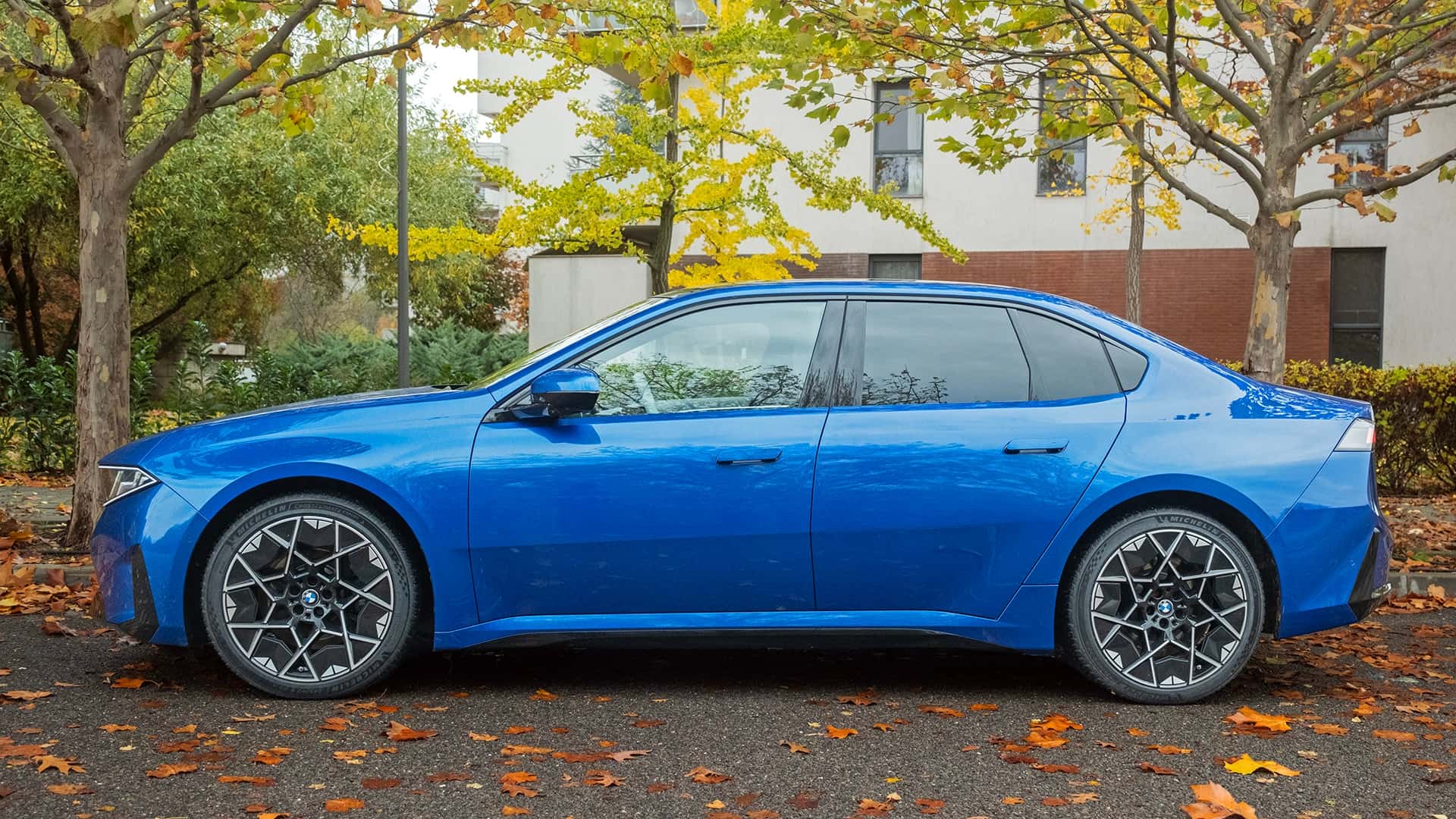
As electric vehicles (EVs) continue their ascent in the global automotive market, the sleek and efficient electric sedan has emerged as a preferred choice for many. However, a persistent design challenge—the compromised comfort for rear passengers—threatens to temper enthusiasm, particularly for those who frequently ferry adult occupants. Despite generous legroom and ample headroom, passengers often report an awkward, ‘knees-shoved-into-chest’ posture, a direct consequence of the underlying battery architecture.
This issue of limited electric sedan rear comfort stems primarily from the industry’s widespread adoption of the ‘skateboard’ chassis design. While lauded for its benefits to handling and interior space, this layout introduces a significant elevation in the floor pan, directly impacting the ergonomics of the rear seating area.

The Skateboard Platform: A Double-Edged Sword for EV Design
The ‘skateboard’ platform, where a large, flat battery pack is integrated into the vehicle’s floor, has become the de facto standard for electric vehicle manufacturing. This design offers compelling advantages, such as a low center of gravity that enhances stability and dynamic handling, alongside efficient packaging that frees up space typically occupied by an internal combustion engine, transmission, and fuel tank.
However, this seemingly ingenious solution creates a unique ergonomic hurdle. The battery cells, protective enclosure, and intricate cooling systems collectively add substantial thickness beneath the cabin floor. In practical terms, this means the surface where rear passengers place their feet is significantly higher than in a traditional gasoline-powered sedan.
The consequence of this elevated floor is a reduced distance between the seat cushion and the footwell, forcing passengers into an uncomfortable position. Their knees often sit too high, leading to a lack of crucial thigh support and leaving their legs dangling mid-air. This posture can become particularly taxing on longer journeys, detracting significantly from the overall passenger experience in an electric sedan.

Design Compromises: Sedans vs. SUVs
The impact of the floor-mounted battery differs considerably between vehicle segments. In taller crossovers and SUVs, designers typically possess more vertical space to work with. This allows them to raise the seats, effectively compensating for the higher floor without infringing upon valuable headroom.
Conversely, the inherent design philosophy of a low-slung sedan or hatchback complicates this adjustment. Raising the rear seats in such vehicles would invariably lead to insufficient headroom, forcing passengers into an uncomfortably close proximity with the headliner. Alternatively, designers could opt to raise the entire roofline, but this would negate many of the aerodynamic and aesthetic benefits that define the sedan form factor, making it less appealing to its target audience.
Therefore, a critical compromise must be made, and more often than not, it is the crucial aspect of thigh support that is sacrificed. This trade-off highlights a fundamental tension in electric vehicle design: accommodating substantial battery packs while preserving the established ergonomic expectations of different vehicle types, especially for enhancing electric sedan rear comfort.
Innovative Engineering: Addressing the Rear Comfort Deficit
Recognising this pervasive challenge, several leading automotive manufacturers have begun to engineer innovative solutions aimed at mitigating the impact of the floor-mounted battery on rear passenger comfort. These approaches often involve clever reconfigurations of the battery pack itself or the vehicle’s overall architecture.
Porsche’s ‘Foot Garages’ in the Taycan
Porsche, a pioneer in high-performance electric vehicles, explicitly addressed this packaging conflict during the development of its Taycan sports sedan. Michael Mauer, Porsche’s design chief during the Taycan’s development, openly acknowledged the engineering complexities in 2019, stating, “We solved this with so-called ‘foot garages’,” when referring to the innovative recesses built into the battery pack.
These ‘foot garages’ are essentially strategically placed depressions within the battery module assembly, providing rear passengers with a lower area to position their feet. This ingenious solution allows the Taycan to maintain its characteristic low-slung profile while simultaneously offering a more comfortable and ergonomically sound seating position for rear occupants. The Audi E-Tron GT, a sibling vehicle sharing the same platform, incorporates an identical design element, further underscoring its importance.
Lucid Air’s Modular Battery Approach
Another notable example comes from Lucid Motors with its Air sedan. The Pure and Touring variants of the Lucid Air are engineered with superior rear room, achieved by specifically removing battery modules from the area directly beneath the rear passenger footwell. This design decision results in a rear seating experience that closely mimics that of a conventional combustion engine sedan.
However, it is important to note that this optimization is dependent on battery configuration. In Air variants equipped with larger battery packs, such as the Grand Touring, the floor level in the rear footwell is noticeably higher, consequently leading to less rear foot space and a more elevated knee position for passengers. This demonstrates the delicate balance between maximum range and optimal passenger ergonomics.
Jaguar and Polestar: Repositioning for Space
Other manufacturers are exploring different architectural solutions. Jaguar’s forthcoming Type-01, for instance, has strategically relocated a row of battery modules from the rear passenger area to the front of the vehicle. This was made possible by the car’s notably long hood and extended dash-to-axle ratio, providing ample space to accommodate additional battery capacity without compromising the vital aspect of rear comfort.
Similarly, the Polestar 5 features a comparable setup, enabling it to maintain a body style no taller than its combustion-powered counterparts. Another brand under the Geely umbrella, Volvo, has indicated that its new SPA3 platform is designed with the flexibility to omit battery cells directly beneath passengers’ feet. This innovative capability could pave the way for properly low electric wagons, offering a compelling blend of utility and enhanced passenger comfort.
The Trade-offs and the Future of Electric Sedan Comfort
While these engineering marvels offer promising avenues for improving electric sedan rear comfort, they are not without their trade-offs. The most significant compromise often lies in the overall battery pack capacity. By creating cutouts or relocating modules to enhance foot space, manufacturers might inherently reduce the total number of battery cells a vehicle can carry, potentially impacting range.
However, advancements in battery technology, leading to thinner and more energy-dense packs, could help mitigate this issue over time. The goal remains to strike a harmonious balance between maximizing range, maintaining sleek sedan aesthetics, and ensuring an uncompromised experience for all occupants.
For prospective buyers who frequently transport adults, especially for extended periods, the rear seating comfort of an electric sedan should be a primary consideration. It is advisable to conduct a thorough test, sitting in the rear passenger seat behind one’s own driving position to assess thigh support and overall comfort. The drive towards electrification should not come at the expense of practical utility and passenger well-being, reinforcing the need for continuous innovation in electric sedan design.
Key Takeaways
- Electric sedans often present compromised rear passenger comfort due to elevated floor height.
- The ‘skateboard’ battery layout, while beneficial for handling, places a thick battery pack under the cabin.
- This design leads to high knee positions and insufficient thigh support for rear passengers.
- Taller SUVs can compensate for the high floor more easily than low-slung sedans.
- Innovations like Porsche’s ‘foot garages’ and Lucid’s selective battery module removal aim to improve rear foot space.
- These solutions sometimes involve trade-offs, such as reduced overall battery capacity.
- Consumers should prioritize checking rear passenger ergonomics before purchasing an electric sedan.
Frequently Asked Questions
Why is rear passenger comfort often an issue in electric sedans?
Rear passenger comfort is frequently compromised in electric sedans due to the ‘skateboard’ chassis, which places a large battery pack under the floor. This raises the footwell, leading to an awkward seating posture with elevated knees and reduced thigh support, impacting overall comfort.
What is the ‘skateboard’ platform in electric vehicles?
The ‘skateboard’ platform is a design where an EV’s battery cells, enclosure, protection, and cooling hardware are integrated into a flat, thick slab beneath the vehicle’s floor. This layout offers benefits like a low center of gravity and efficient packaging but can raise the interior floor height.
How do electric SUVs handle the floor-mounted battery differently?
Electric SUVs, with their inherently taller body designs, have more vertical space. This allows designers to raise the seats higher, compensating for the elevated floor caused by the battery pack without compromising crucial headroom for passengers.
What are ‘foot garages’ in electric sedans like the Porsche Taycan?
‘Foot garages’ are innovative recesses or cutouts engineered directly into the battery pack itself, typically found beneath the rear passenger seats. This design provides a lower space for passengers’ feet, improving ergonomics and thigh support despite the overall elevated floor.
Do all electric sedans have the same rear comfort issues?
No, not all electric sedans present the same level of rear comfort issues. Manufacturers like Lucid and Jaguar are developing specific architectural solutions, such as relocating battery modules or designing platforms with flexible cell placement, to address and improve rear passenger ergonomics significantly.
What is the trade-off for improving rear foot space in EVs?
The primary trade-off for improving rear foot space, often achieved by creating recesses or moving battery modules, can be a reduction in the overall battery pack capacity. This might lead to a slightly shorter driving range compared to a design where maximum battery volume is prioritized over rear passenger footwell depth.
What should buyers look for regarding electric sedan rear comfort?
Prospective buyers of electric sedans should personally test the rear seating. It’s crucial to sit behind the driver’s seat (adjusted to one’s own driving position) and evaluate thigh support, knee angle, and overall legroom. This practical assessment helps determine if the seating position is comfortable for adult passengers.