
Key Takeaways:
- Despite advancements, many electric sedans compromise rear passenger comfort due to high floor design.
- The ‘skateboard layout’ with floor-mounted batteries raises the footwell, leading to inadequate thigh support and an awkward seating position.
- Unlike taller SUVs, sedans have limited room to adjust seat height without affecting headroom or aerodynamic efficiency.
- Automakers like Porsche, Lucid, and Jaguar are developing innovative engineering solutions, such as recessed footwells and relocated battery modules, to mitigate this issue.
- Addressing rear passenger ergonomics is crucial for the broader adoption of electric sedans, especially for those regularly transporting adults.
The Ergonomic Conundrum in Modern Electric Sedans
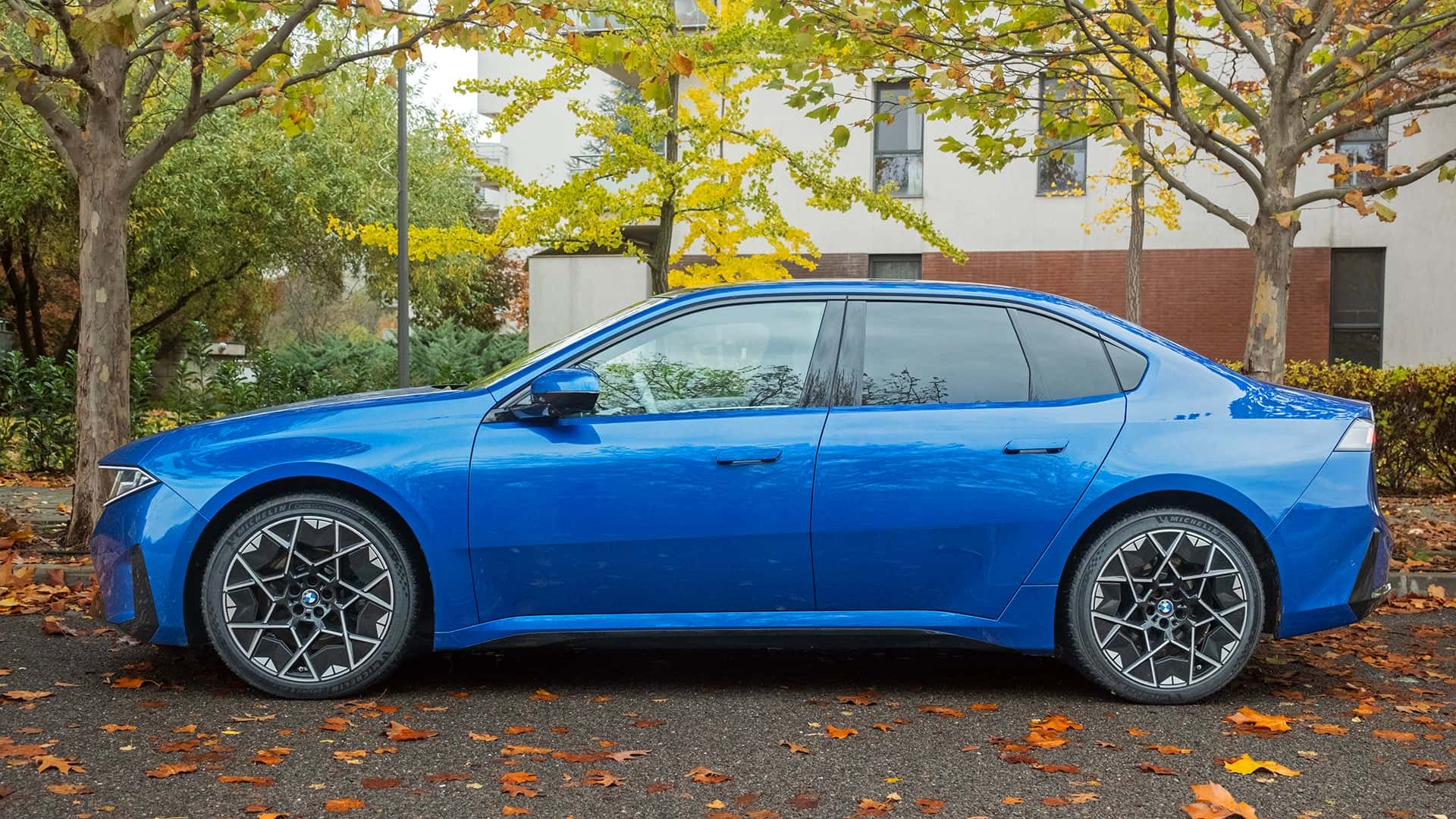
As the automotive industry pivots towards electrification, the appeal of sleek, low-slung electric sedans remains strong. These vehicles often promise superior handling and aerodynamic efficiency compared to their SUV counterparts. However, a less discussed but significant design challenge is emerging: ensuring adequate rear passenger comfort. Many current-generation electric sedans, despite offering ample legroom and headroom, present an awkward seating posture for adults in the back, primarily due to an elevated floor.
This particular ergonomic issue is not merely a minor inconvenience; it significantly impacts the overall passenger experience. Passengers frequently report their knees being pushed high, sometimes even into their chest, with thighs lacking proper support from the seat cushion. This posture can quickly become uncomfortable, especially during longer journeys, potentially deterring prospective buyers who frequently carry adult passengers.

The ‘Skateboard’ Platform and its Implications
At the heart of this design conundrum lies the industry-standard ‘skateboard’ platform, a fundamental architectural choice for most modern electric vehicles (EVs). This innovative layout positions the entire battery pack — comprising individual cells, their protective enclosure, and vital cooling hardware — beneath the vehicle’s floor. This design is highly advantageous, keeping the heaviest component low to the ground, thereby enhancing stability, improving handling dynamics, and efficiently integrating the bulky battery without encroaching upon precious trunk space or the main passenger compartment.
However, the inherent thickness of this floor-mounted battery system directly contributes to an elevated floor height in the cabin. While efficient in terms of packaging the propulsion system, this elevation means that the surface where rear passengers place their feet is considerably higher than in a traditional internal combustion engine (ICE) vehicle. This seemingly minor difference has profound implications for rear occupant ergonomics.
Design Constraints: Sedans vs. SUVs
The impact of a raised floor varies significantly across different vehicle segments. In taller electric crossovers and SUVs, designers typically have greater vertical space to work with. This allows them to raise the rear seats proportionately, mitigating the high floor effect and maintaining a more natural seating position with adequate thigh support. The increased overall height of these vehicle types naturally accommodates the battery pack without severely compromising cabin geometry.

Conversely, for a low-slung electric sedan or hatchback, the design parameters are far more restrictive. Simply raising the rear seats to compensate for the higher floor would inevitably lead to a reduction in headroom, forcing passengers to sit uncomfortably close to the headliner. Alternatively, raising the vehicle’s roofline to maintain headroom would counteract many of the intrinsic design and aerodynamic benefits that define an electric sedan, such as a sleek profile and reduced drag. This creates a critical packaging conflict where something inherently has to be sacrificed, and all too often, it is the crucial thigh support for rear occupants.
Innovative Solutions: Engineering for Comfort
Recognising this inherent conflict, several pioneering automotive manufacturers are actively seeking and implementing innovative engineering solutions to preserve rear passenger comfort without sacrificing the core attributes of the electric sedan. One notable example comes from Porsche during the development of its groundbreaking Taycan.
Michael Mauer, Porsche’s design chief during the Taycan’s development, openly acknowledged this packaging challenge in 2019. He highlighted the difficulty of reconciling a low roofline with a substantial battery pack under the cabin while ensuring passenger comfort. Porsche’s elegant solution was the integration of what they termed “‘foot garages’.” These are precisely engineered recesses carved into the battery pack itself, specifically designed to provide a lower footwell area for rear passengers. This clever design ensures a more natural and comfortable seating angle, preserving the Taycan’s distinctive low-slung stance while offering decent foot room. The Audi E-Tron GT, built on the same platform, features an identical design approach.
Beyond recessed footwells, other manufacturers are exploring different avenues. For instance, the floor-mounted battery system also explains why many electric sedans are marginally taller than their combustion-engine counterparts. This extra height often accounts for the battery’s volume, evident in vehicles like the Polestar 2, which retains a traditional three-box sedan form factor but exhibits a noticeably taller body. Most manufacturers seem to accept this slightly increased height, leading to the distinctive proportions seen in new models like the BMW i3 and Mercedes-Benz C-Class Electric.
Rethinking Battery Module Placement
However, some manufacturers are pushing the boundaries by rethinking the very placement of battery modules to maximise interior space. The Lucid Air Pure exemplifies this approach. In its Pure and Touring variants, the design team intentionally removed battery modules from the rear passenger footwell area. This strategic relocation creates a rear cabin experience akin to a conventional combustion sedan, offering superior rear room. It is also notable that Air variants equipped with larger battery packs, such as the Grand Touring, which retain more modules underfoot, consequently offer less rear foot space and elevate knee positions, underscoring the direct correlation between battery layout and passenger comfort.
Jaguar is adopting a similar strategy with its upcoming Type-01 electric sedan. Engineers have managed to move a row of battery modules from the rear passenger area to the front of the vehicle. This was made possible by the car’s exceptionally long hood and generous dash-to-axle ratio, which provided the necessary volume to accommodate the relocated modules without compromising rear passenger ergonomics. This allows Jaguar to integrate substantial battery capacity while ensuring an uncompromised rear cabin experience.
The Polestar 5 is another electric sedan reported to feature a similar architectural setup, enabling it to maintain proportions comparable to its combustion-engined equivalents. Furthermore, Volvo, a sister brand under Geely, has indicated that its new SPA3 platform is engineered with the flexibility to omit battery cells directly beneath passengers’ feet. This capability holds significant promise, potentially paving the way for truly low-profile electric wagons without sacrificing interior comfort, although a firm commitment to building such a model is yet to be announced.
The Trade-offs and the Future of EV Back Seats
While these innovative solutions offer a path to enhanced rear passenger comfort in electric sedans, they often come with a trade-off: a potentially lower overall battery pack capacity for a given wheelbase. A thinner battery pack design can also help alleviate the issue, but designers must meticulously balance energy density, thermal management, and structural integrity. The ultimate goal is not necessarily to mandate identical footwell cutouts in every electric vehicle, but rather to ensure that manufacturers prioritise the comfort of EV back seats, making them more appealing alternatives to higher-riding SUVs.
For consumers who regularly transport adults, an unsupportive or awkward seating position in the rear can indeed be a significant deal-breaker. When considering an electric sedan, prospective buyers are well-advised to perform a practical test: sit in their own typical driving position, then evaluate the rear seat comfort by checking whether the seat cushion adequately supports their thighs. As the electric vehicle market matures, addressing these nuanced ergonomic details will be crucial for the widespread acceptance and long-term success of the electric sedan segment, ensuring that the driving pleasure of the front cabin extends equally to all passengers.
FAQ Section
Q1: Why are rear seats often uncomfortable in electric sedans?
A1: The primary reason is the ‘skateboard’ platform, which places a large battery pack under the floor. This raises the floor height, leading to a seating position where passengers’ knees are high and thighs lack support, making long journeys uncomfortable.
Q2: Is this a problem in all electric vehicles?
A2: This issue is more pronounced in electric sedans and hatchbacks due to their lower rooflines and overall vehicle height. Taller electric SUVs and crossovers often have more vertical space, allowing designers to raise seats to compensate for the battery pack, thus maintaining better rear passenger comfort.
Q3: How are automakers addressing this high floor issue?
A3: Manufacturers are employing various solutions. Porsche introduced ‘foot garages’ (recesses in the battery) in the Taycan. Lucid and Jaguar have relocated battery modules from the rear passenger footwell area, utilizing designs that allow for this without compromising capacity or vehicle aesthetics.
Q4: Does solving this issue affect battery range?
A4: In some cases, creating more foot space by reducing or relocating battery modules from a specific area might lead to a slightly lower overall battery pack capacity compared to a design where the entire floor area is utilized for batteries. However, innovative engineering aims to minimise this impact.
Q5: What should consumers look for when buying an electric sedan?
A5: Beyond range and performance, it’s crucial to evaluate rear passenger comfort. Buyers should sit in the rear seats behind their preferred driving position to assess thigh support and overall ergonomics, especially if they frequently carry adult passengers.