
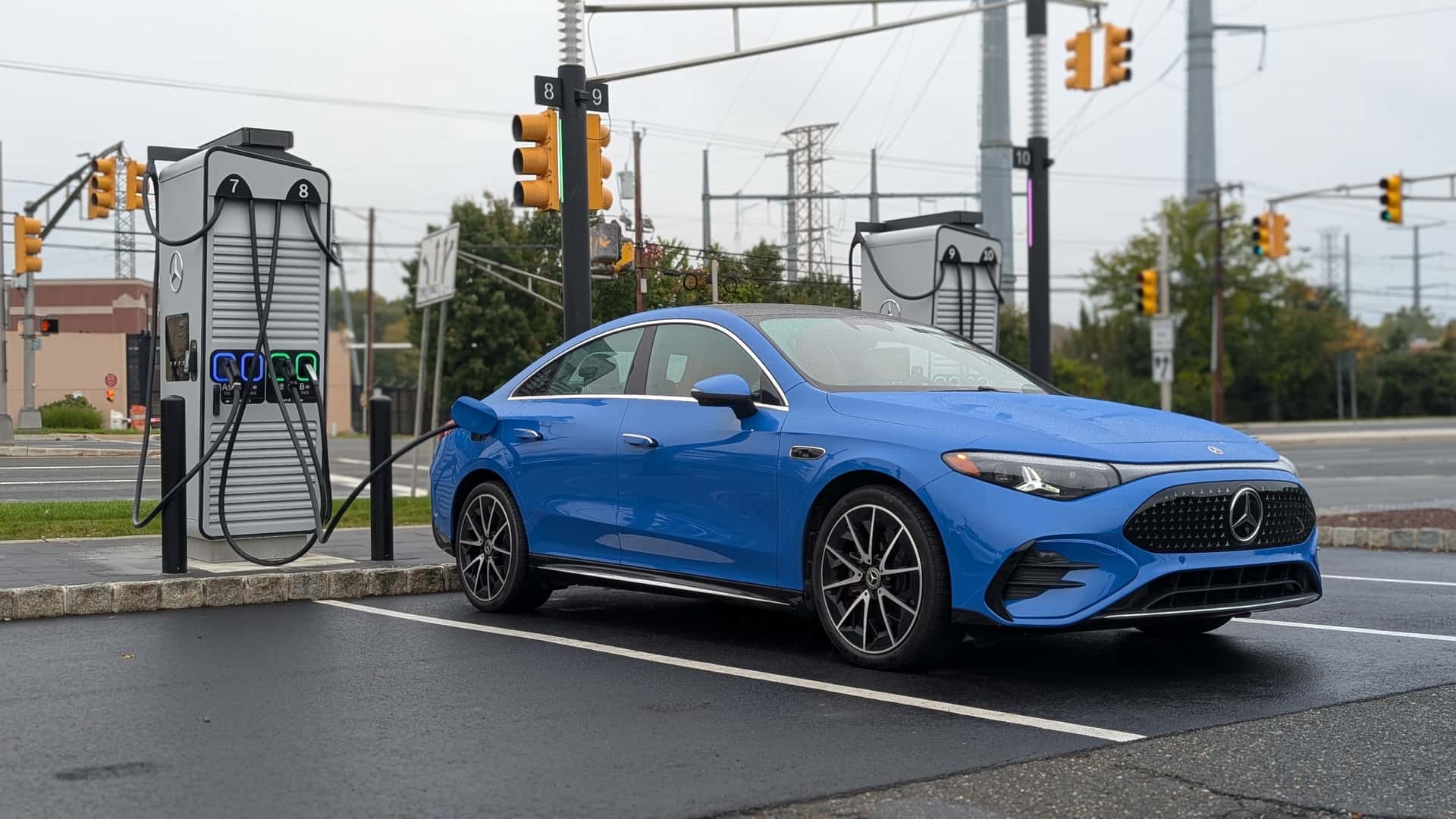
As millions prepare to embark on holiday journeys across the country, the surge in electric vehicle (EV) adoption presents both exciting possibilities and unique challenges for drivers. With roads and charging infrastructure expected to experience heightened demand, strategic EV road trip planning becomes paramount to ensure a smooth, stress-free commute. This guide offers expert insights and practical advice for navigating the busy travel periods, focusing on optimising your electric vehicle charging experience and enhancing overall journey efficiency.
Key Takeaways for Effortless EV Holiday Travel:
- **Anticipate Congestion**: Major holiday weeks, such as Thanksgiving, are among the busiest travel times, leading to extended wait times at electric vehicle charging stations.
- **Pre-Charge Strategically**: Fully charge your EV at home the night before or utilise off-peak hours at DC fast charging stations to avoid initial delays.
- **Optimise with Route Planners**: Employ dedicated EV route planning applications to identify the most efficient routes, considering factors like terrain, speed, and charging points.
- **Prepare for Diverse Infrastructure**: Keep charging apps updated and carry both NACS and CCS adapters to access the widest range of available DC fast charging stations.
- **Practice Charging Etiquette**: Prioritise efficiency by charging only to 80% when others are waiting, as charging speeds significantly decrease beyond this point.
- **Embrace Breaks**: Use charging stops as opportunities for rest and rejuvenation, contributing to safer driving and a more enjoyable EV road trip experience.
Navigating Peak Travel: The EV Charging Challenge
Holiday periods typically witness an unprecedented volume of vehicles on the road. For electric vehicle owners, this translates into potential bottlenecks at public charging stations, particularly those equipped with DC fast charging capabilities. While EV technology has advanced significantly, mitigating range anxiety for many, the sheer number of drivers seeking to recharge simultaneously can introduce considerable delays.
DC fast charging, though continuously improving in speed, still requires a longer duration compared to a conventional fuel stop. A typical 20-30 minute charging session, when multiplied by numerous vehicles, can quickly lead to lengthy queues. Understanding this dynamic is the first step in effective EV holiday travel tips, allowing drivers to proactively plan and minimise potential frustration.
Strategic Pre-Trip Charging: A Proactive Approach
One of the most effective strategies for an easier EV road trip planning experience involves preparing your vehicle well in advance. For those with access to home charging, simply plugging in your electric car overnight ensures a full battery for the start of your journey. This simple act eliminates the need for an immediate public charging stop, saving valuable time during peak morning rush.
For drivers without home charging facilities, utilising public DC fast chargers the night before departure, or during off-peak hours, can be a game-changer. This approach allows you to top up your battery when charging stations are less busy, bypassing the long waits that typically occur during the main travel windows. Furthermore, some electric vehicle charging providers offer discounted rates during off-peak times, potentially saving money alongside time.
Optimising Your Route for Electric Vehicle Efficiency
While many drivers have a preferred route in mind, it may not always be the most efficient for an electric vehicle. EVs consume more energy when travelling at higher speeds or ascending steep inclines. Therefore, selecting a route that prioritises flatter terrain or lower average speeds can significantly enhance your car’s range, a crucial aspect of successful EV road trip planning.
In most routine scenarios, such meticulous planning may not be essential. However, when pushing the boundaries of your EV’s range or navigating areas with limited charging infrastructure, optimising your route becomes highly beneficial. Modern route planning applications are designed to take these nuances into account, offering tailored suggestions that can make a substantial difference in your journey’s efficiency.
Leveraging Specialised EV Route Planners
Several advanced route planning applications are indispensable tools for electric vehicle owners. Platforms like A Better Route Planner, Plugshare, and even updated versions of Google Maps are specifically designed to consider an EV’s unique characteristics. These tools factor in your car’s efficiency, desired state of charge upon arrival, and real-time road conditions to suggest optimal routes and charging stops.
These sophisticated planners can accurately predict when and where you’ll need to stop for electric vehicle charging, eliminating guesswork and significantly reducing range anxiety. They can often be adjusted to reflect your vehicle’s real-world efficiency data or your personal preferences for breaks, ensuring a customised and comfortable EV road trip. By leveraging these tools, drivers can confidently embark on long journeys, knowing they are well-prepared for their charging needs.
Essential Tools for Seamless EV Road Trip Planning
The Sunday following a major holiday, such as Thanksgiving, frequently stands as the busiest travel day of the year. During this intense period, the demand for electric vehicle charging infrastructure surges, underscoring the critical need for comprehensive preparedness. Beyond initial charging, anticipating potential queues at subsequent charging stops is vital, especially when travelling through unfamiliar areas.
As you meticulously plan your route and identify potential charging locations, it is crucial to note the specific charging network brands and connector types they utilise. Highway rest areas increasingly feature multiple competing charging stations, such as a Tesla Supercharging station adjacent to an Ionna Rechargery, an EV Go station, or units operated by commercial entities like Circle K or Shell. These stations tend to cluster in locations with robust power grids.
Mastering Charging Apps and Adapters
To streamline your charging experience, proactively installing the applications for the various charging companies along your planned route is highly recommended. Setting up payment methods within these apps before you depart can prevent fumbling at the station, where connectivity might be sporadic or time is of the essence. This foresight significantly reduces potential delays and frustration associated with unfamiliar interfaces or payment processing during peak times.
Equally important is carrying the appropriate charging adapters. While the North American Charging Standard (NACS) is gaining widespread adoption, not all existing charging stations are equipped with NACS ports, and similarly, not all vehicles currently support NACS without an adapter. The Combined Charging System (CCS) remains prevalent. Possessing adapters that allow your EV to connect to both NACS and CCS ports ensures maximum flexibility. This capability is invaluable when your preferred plug type is occupied or unavailable, allowing you to access any DC fast charging station and avoid lengthy waits.
The Unspoken Rules: Practicing EV Charging Etiquette
During high-travel periods, a shared understanding of charging etiquette is essential for maintaining efficient flow at electric vehicle charging stations. Recognising that you are not the sole driver aiming to reach a holiday destination fosters a communal responsibility to keep the charging queue moving. A key aspect of this involves limiting your charge to approximately 80% when other vehicles are waiting.
Electric vehicle batteries exhibit significantly slower charging speeds once they surpass the 80% threshold. While reaching 80% might take a mere 15-20 minutes, the remaining 20% to achieve a full charge can often require an additional 20 minutes or substantially longer, depending on the vehicle and charger. Not only is it a considerate gesture to unplug and relocate your vehicle once you reach a sufficient charge, but it can also prove more time-efficient to perform a quick top-up closer to your destination if absolutely necessary, rather than monopolising a fast charger for the final slow-charging segment.
Prioritising Well-being: Embracing the EV Break
While much of the discussion around EV road trip planning often revolves around minimising charging times, it is equally important to acknowledge and embrace the inherent advantage of these stops: enforced breaks. Charging sessions, which typically last between 15 and 30 minutes, offer a natural opportunity for drivers and passengers to rest, stretch, use facilities, or grab a snack.
These deliberate pauses are not merely a consequence of electric vehicle charging; they are a vital component of safe driving, particularly on long journeys. Taking a regular break helps combat driver fatigue, enhances alertness, and contributes to a more pleasant travel experience overall. By reframing charging stops as beneficial intervals for personal rejuvenation, EV drivers can leverage their vehicle’s characteristics to their advantage, transforming a perceived inconvenience into an integrated part of a safer and more enjoyable holiday trip.
Since 2021, the landscape of EV road trips has undergone a remarkable transformation. Both electric vehicle range and the robustness of charging infrastructure have progressed significantly. What was once a daunting challenge or an impossibility for many is now a feasible and increasingly convenient mode of long-distance travel. With continuous improvements in applications, infrastructure, and vehicle technology, the ease of EV travel continues to grow. Nevertheless, proactive planning and informed decision-making remain crucial for a smooth journey. Drive safely and enjoy your electric vehicle adventures this holiday season.
Frequently Asked Questions About EV Holiday Travel
Q1: How can I avoid long queues at EV charging stations during holidays?
To minimise wait times, charge your EV fully at home the night before your trip. Alternatively, use public DC fast chargers during off-peak hours, such as late evenings or early mornings, when demand is significantly lower. Strategic route planning also helps identify less congested charging locations.
Q2: Which EV route planner apps are recommended for holiday trips?
For optimal EV road trip planning, consider using dedicated apps like A Better Route Planner, Plugshare, or the EV-specific features within Google Maps. These applications account for your vehicle’s efficiency, terrain, speed limits, and charging needs to suggest the most efficient routes and stops.
Q3: What charging adapters should I carry for an EV road trip?
It is advisable to carry adapters that allow your EV to connect to both NACS (North American Charging Standard) and CCS (Combined Charging System) ports. This ensures maximum compatibility with the diverse charging infrastructure available, helping you access more stations and avoid delays if one type is unavailable.
Q4: What is considered good etiquette at a busy EV charging station?
Good etiquette includes limiting your charge to around 80% when other vehicles are waiting, as charging speeds drastically slow down beyond this point. Promptly moving your vehicle once charging is complete also helps keep the flow of traffic moving for other drivers.
Q5: Is it safe to drive an EV long distances during holidays?
Yes, modern EVs are well-equipped for long-distance travel, especially with improved range and expanding charging infrastructure. Proper EV road trip planning, including pre-charging, route optimisation, and knowing your charging options, ensures a safe and comfortable journey during busy periods.
Q6: Can charging during off-peak hours save me money?
Many electric vehicle charging networks offer variable pricing, with lower rates during off-peak hours (e.g., late at night or very early morning). Charging strategically during these times not only helps avoid queues but can also result in cost savings on your electric vehicle charging expenses.