
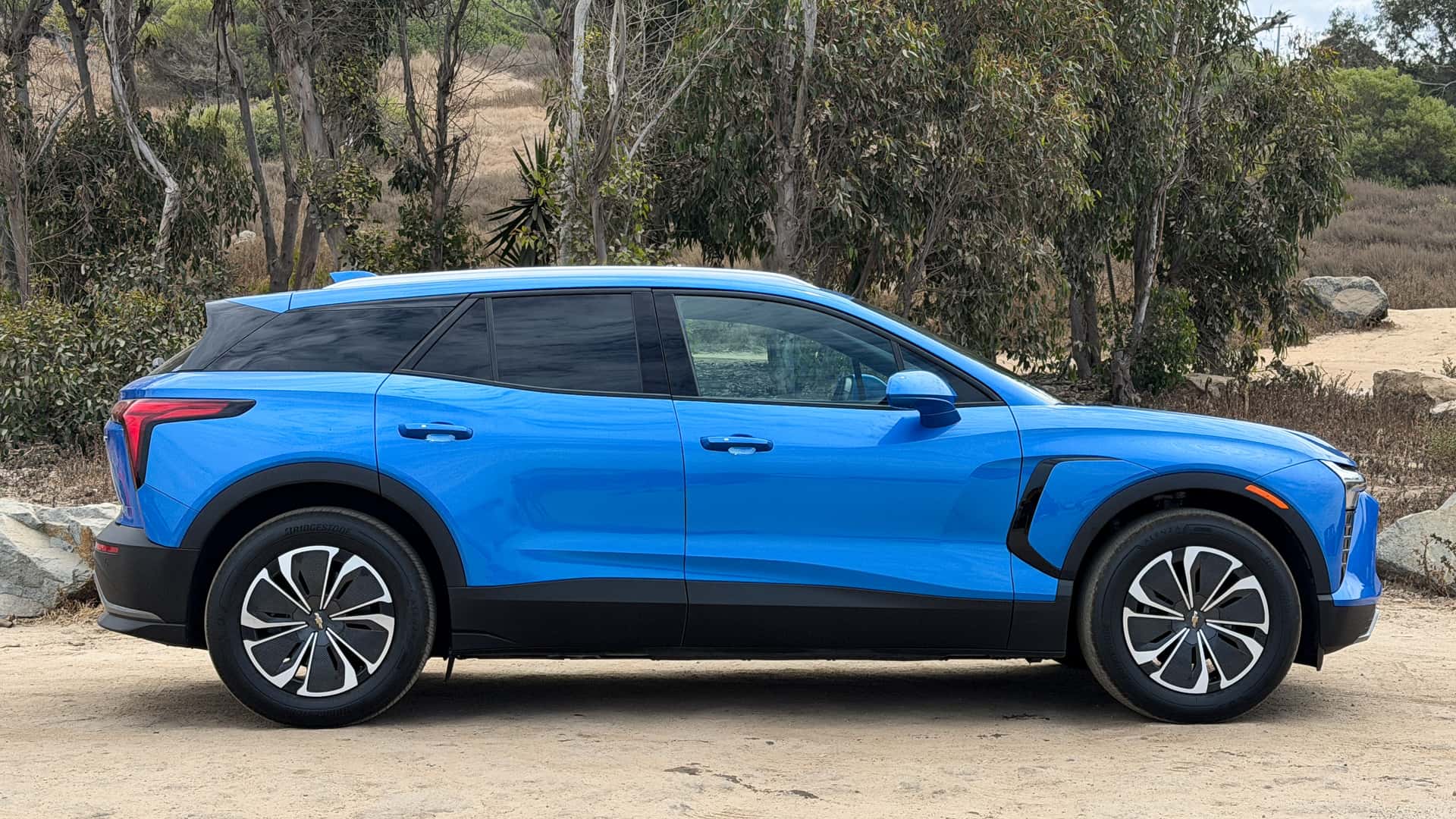
Key Takeaways:
- Initial skepticism about electric vehicles (EVs) is often overcome by real-world driving experiences that highlight their superior qualities.
- EVs offer significant cost savings, primarily due to lower fuel (electricity) costs and reduced maintenance compared to conventional gasoline cars.
- The driving experience in an EV is characterized by quiet operation, instant torque, and smooth acceleration, providing an effortless feel superior to many high-end internal combustion engine (ICE) vehicles.
- Electric car ownership dramatically reduces environmental impact, with zero tailpipe emissions and a ‘carbon debt’ often paid off within 20,000 miles, especially when charged with renewable energy.
- EVs contribute positively to urban environments by reducing noise pollution and improving air quality, making them a more considerate choice for community living.
The automotive landscape is undergoing a profound transformation, with electric vehicles increasingly challenging the long-held dominance of internal combustion engine (ICE) cars. For many seasoned drivers, the transition to electric car ownership represents a significant shift from a lifetime spent with traditional petrol or diesel engines. This evolution often begins with a degree of skepticism, particularly regarding factors like range autonomy and charging infrastructure. However, a growing body of anecdotal evidence, supported by empirical data, suggests that these initial reservations frequently give way to a profound appreciation for the capabilities and benefits of modern EVs.

Historically, the allure of motoring involved the distinct sounds and sensations of a powerful engine. Automotive enthusiasts have long cherished the visceral connection to their vehicles, often shaped by experiences with high-performance gasoline cars. This deeply ingrained preference for conventional vehicles created a natural barrier for early adopters of electric models, who anticipated a diminished driving adventure. Yet, as contemporary EV technology advances, it has begun to redefine what constitutes a truly enjoyable and efficient driving experience.
From Skepticism to Endorsement: The EV Transformation
For decades, the narrative surrounding vehicles was firmly centered on gasoline power. From childhood fascination with toy cars to immersive experiences with racing simulations and esteemed automotive publications, many drivers developed an early and deep-seated affinity for traditional engines. This background often fostered the perception that the thrill of exploration and the freedom of the open road were inextricably linked to a full tank of petrol.
The prospect of transitioning to an EV was, for some, met with considerable apprehension. Concerns over ‘range anxiety’—the fear of running out of power far from a charging station—and perceived ‘infrastructure woes’ were prominent. This anxiety frequently led to the assumption that EV exploring would inevitably be a compromise, a downgrade from the established ease of gasoline-powered adventures. However, real-world experience over recent years has consistently challenged and overturned these preconceptions, demonstrating that electric vehicle ownership not only matches but often surpasses the traditional driving experience.
The Economic Imperative: Unlocking Cost Savings
Exploring local environs or embarking on longer journeys in a conventional car can quickly become an expensive endeavor. Fuel costs represent a significant portion of vehicle running expenses, exacerbated by fluctuating market prices and the specific fuel economy of the vehicle. Moreover, the routine maintenance requirements of gasoline engines—oil changes, filter replacements, and complex transmission servicing—add further to the overall cost of ownership. These factors often limit spontaneous excursions, as drivers become acutely aware of the financial implications of every mile driven.
In stark contrast, electric vehicles present a compelling economic advantage. The cost of ‘fueling’ an EV is substantially lower. For instance, a vehicle equipped with an 85 kWh battery can be fully charged for approximately $16, based on the national average electricity price of $0.19 per kWh, according to recent data. This cost can be further reduced through access to off-peak charging tariffs, dedicated EV rate plans from utility providers, or the integration of solar power at home. Such a charge typically provides an EPA-estimated range of 278 miles, often translating to a real-world range of 250-290 miles, making it an exceptionally economical choice.
To contextualize these savings, consider a direct comparison: a gasoline-powered Chevy Blazer AWD, covering the same 278 miles based on its EPA combined fuel economy, would require roughly 11.6 gallons of fuel. At current average gasoline prices, this would amount to approximately $42 for the same distance. This significant disparity underscores the profound financial benefit of electric car ownership, allowing drivers to explore more extensively without the constant concern of high running costs. Reduced maintenance, owing to fewer moving parts in an electric powertrain, further enhances these long-term savings.
An Enhanced Driving Experience: Quiet Power and Seamless Acceleration
The performance characteristics of electric vehicles fundamentally redefine the driving experience. Unlike their gasoline counterparts, which can often feel strained when navigating challenging terrains or urban traffic, EVs deliver power with unparalleled smoothness and efficiency. A conventional gasoline engine, such as that in a Chevy Blazer AWD, might struggle with steep inclines, producing engine noise and vibrations as it attempts to maintain momentum. Such a vehicle would typically exhibit slower acceleration, with inputs to the accelerator pedal often mediated by a transmission that introduces a noticeable delay before the desired power is delivered, accompanied by considerable engine noise.
Electric propulsion, however, operates on an entirely different principle. An EV provides instant torque from a standstill, translating to immediate and seamless acceleration without the need for multiple gears. This direct response creates an effortless sensation behind the wheel. The absence of engine noise and complex gear changes means the vehicle glides quietly, whether through tranquil residential areas or bustling city streets. This quiet operation allows drivers to appreciate their surroundings more acutely, from the sounds of nature during an off-road excursion to the ambient quietude of a late-night drive.
The distinction in driving dynamics is not merely marginal; it represents a fundamental shift. The quiet, smooth, and powerful nature of an EV makes every journey feel inherently more relaxed and intuitive. High-speed maneuvers, such as merging onto a highway, become effortless, providing a sense of command and agility that is often absent in gasoline cars. The difference becomes strikingly apparent even when comparing an EV to luxury ICE vehicles. For instance, a brief drive in a high-end, $130,000 Mercedes-Benz GLS 580 SUV, despite its 530 horsepower and mild hybrid assist, could still feel, “my god this thing feels slow and strained,” compared to the immediate, silent surge of an EV. This highlights that even the most sophisticated gasoline engines, with their intricate V-8 powerplants and advanced transmissions, cannot fully replicate the sheer effortlessness of electric propulsion.
In a gasoline car, the throttle acts as a request, initiating a multi-step process involving fuel combustion, gear changes, and power transfer before acceleration occurs. In an EV, the connection is far more direct; “In an EV it’s like your foot is connected directly to the car.” This directness enhances every facet of EV exploring, from spirited drives on winding roads to navigating stop-and-go city traffic, where the silence and immediate responsiveness contribute to a less fatiguing experience.
Environmental Stewardship: A Cleaner Path Forward
Beyond the personal driving experience and economic benefits, one of the most compelling advantages of electric car ownership is its profound positive impact on the environment. Traditional gasoline vehicles are major contributors to air pollution, emitting a range of harmful substances directly into the atmosphere, including greenhouse gases and particulate matter that adversely affect public health and contribute to climate change. The global push for sustainable transportation solutions is largely driven by the imperative to mitigate these environmental harms.
Electric vehicles, by their very design, produce zero tailpipe emissions. This fundamental difference means that EVs contribute directly to cleaner air in urban areas and a reduction in localized pollution. Furthermore, the concept of ‘carbon debt’—the initial emissions generated during the manufacturing process of a vehicle—is often a point of discussion. For many EVs, including those with substantial battery packs, this initial carbon footprint is typically offset within approximately 20,000 miles of operation, particularly when powered by renewable energy sources.
For individuals committed to environmental responsibility, an EV charged with 100% renewable power, either from a home solar setup or through certified green charging networks, significantly minimizes their carbon footprint. While minor emissions from tire production and occasional use of non-renewable-powered charging stations still exist, these are minuscule compared to the lifecycle emissions of any gasoline vehicle. This means that a well-utilized EV has the potential to travel over 200,000 miles over a decade with a minimal overall environmental impact, making it a cornerstone of sustainable transportation.
Transforming Urban Mobility: A Benefit for All
The advantages of electric car ownership are amplified within urban environments, where the majority of global driving occurs. Cities are particularly susceptible to the negative externalities of gasoline vehicles, including chronic noise pollution and poor air quality. The constant hum of internal combustion engines, coupled with tailpipe emissions, detracts from the quality of life for urban residents, impacting public health and overall well-being.
Electric vehicles offer a tangible solution to these pervasive urban problems. Their near-silent operation significantly reduces noise pollution, fostering quieter streets and more peaceful residential areas. The complete absence of tailpipe emissions directly improves local air quality, leading to measurable health benefits for city dwellers, reducing respiratory illnesses and improving overall urban living conditions. These qualities make EVs not just a better choice for the driver, but a considerable improvement for the entire community.
The Future of Driving: Continued Progress and Potential
The rapid advancements in electric vehicle technology over the past few years have been nothing short of remarkable. What was once a niche market, devoid of practical options for the average consumer, has blossomed into an industry offering a diverse range of EVs that are not only competitive but often superior to their gasoline counterparts. These modern electric models offer compelling advantages in terms of performance, cost-efficiency, and environmental impact.
While challenges remain, particularly in making EVs more affordable across all market segments and expanding charging infrastructure to meet growing demand, the trajectory of progress is undeniable. The continuous innovation in battery technology, charging speeds, and vehicle design points towards a future where electric car ownership becomes the norm, offering a more enjoyable, sustainable, and economically sensible mode of transportation for all.
Frequently Asked Questions About Electric Car Ownership
Q1: How do the running costs of an EV compare to a gasoline car?
EVs typically boast significantly lower running costs. Electricity is generally cheaper per mile than gasoline. For example, charging an 85 kWh EV battery for approximately $16 provides a similar range to a gasoline car costing around $42 for fuel. Additionally, EVs have fewer moving parts, leading to reduced maintenance expenses over their lifespan.
Q2: What is ‘range anxiety’ and how is it addressed by modern EVs?
‘Range anxiety’ refers to a driver’s fear of an EV running out of battery charge before reaching a charging point. Modern electric vehicles are addressing this with increased battery capacities, offering EPA ranges often exceeding 250-300 miles. Expanding public charging networks and faster charging technologies also alleviate this concern for most drivers.
Q3: Are electric vehicles truly better for the environment?
Yes, EVs are demonstrably better for the environment. They produce zero tailpipe emissions, significantly improving local air quality. While there’s a ‘carbon debt’ from manufacturing, it’s typically offset within 20,000 miles, especially when charged with renewable energy. Over their lifecycle, EVs powered by green energy have a minimal environmental footprint compared to gasoline cars.
Q4: How does the driving experience differ in an EV?
The driving experience in an EV is notably smoother, quieter, and more responsive. Electric motors deliver instant torque, providing rapid and effortless acceleration without the noise or vibration of an internal combustion engine. The absence of a multi-gear transmission also contributes to a seamless and refined ride, enhancing overall comfort and enjoyment.
Q5: Is EV charging infrastructure sufficient for widespread adoption?
EV charging infrastructure is rapidly expanding globally, with a growing number of public charging stations, including fast chargers. While coverage can vary by region, significant investments are being made to build out networks, making long-distance travel increasingly feasible. Home charging remains a primary method, offering convenience for daily commutes.
Q6: What are the main advantages of EVs in urban settings?
In urban settings, EVs offer substantial advantages by reducing noise pollution and improving air quality due to their silent operation and zero tailpipe emissions. This creates quieter, healthier environments for residents. Their responsive acceleration and smooth handling also make them ideal for stop-and-go city traffic, enhancing the urban driving experience.
Q7: How quickly do EVs pay off their ‘carbon debt’?
The ‘carbon debt’ incurred during an EV’s manufacturing is typically paid off relatively quickly in its operational life. For many models, this occurs after approximately 20,000 miles of driving. This payback period can be even shorter if the vehicle is consistently charged using electricity generated from 100% renewable energy sources, maximizing its environmental benefits.