
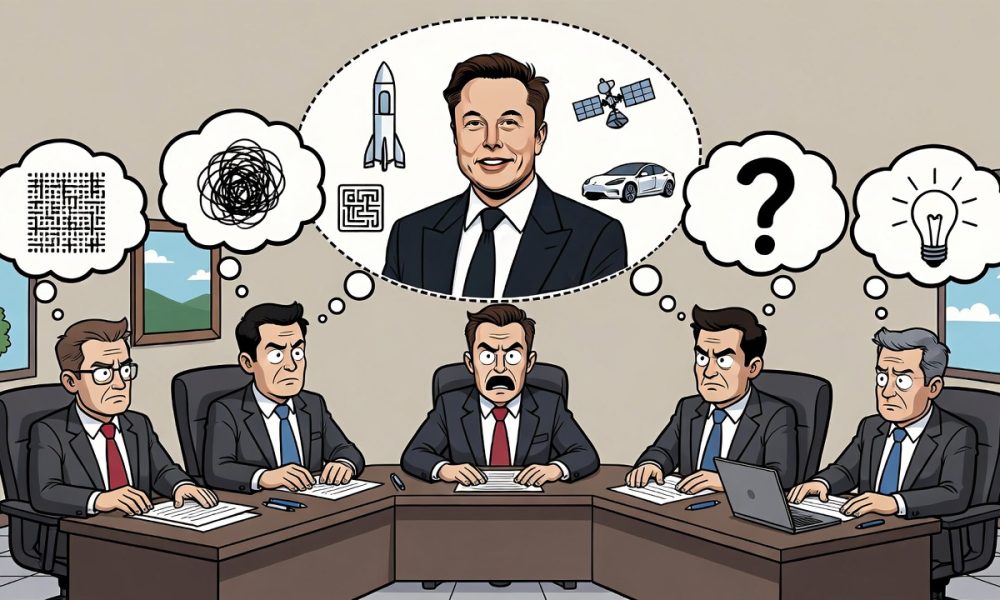
The City of Davis, California, faced a peculiar situation during its weekly city council meeting on Tuesday, as a proposal to ban new contracts with companies controlled by Elon Musk led to an ironic admission: one of those very companies provides a critical service for public safety.
Council Debates Ban on Musk-Operated Companies
The meeting centered on a resolution titled “Resolution Ending Engagement With Elon Musk-Controlled Companies and To Encourage CalPERS To Divest Stock In These Companies.” The proposal cited Musk’s use of his platforms to promote ideologies and activities perceived as a threat to democratic norms, along with concerns over campaign finance activities.
Previously, the discussion had generated headlines, with cities like Davis weighing potential restrictions on entities such as Tesla and SpaceX. However, the reality of the situation, as revealed during the public meeting, proved more complex.
Starlink’s Critical Role Acknowledged
During deliberations, a significant turning point occurred when a City Council member acknowledged the indispensable role of Starlink, SpaceX’s satellite internet service. The council member noted that Starlink is crucial for the community’s emergency response systems, providing vital communication for EMS, Fire, and Police departments during power outages.
This realization prompted an amendment to the resolution. Following public comments and council discussions, the language was altered to exclude Starlink from the proposed ban, recognizing its direct benefit to public safety infrastructure. One community member aptly summarized the sentiment, stating, “There should be exceptions to the rule.”

The meeting was streamed online, and the proceedings highlighted a disconnect between public perception, often shaped by mainstream media narratives, and the practical applications of Musk’s ventures.
Community Input and Misconceptions Surface
Several community members voiced strong opinions, often reflecting widely reported, yet sometimes outdated or selectively presented, information about Musk’s companies. Concerns were raised regarding Tesla’s performance in the electric vehicle market, allegations of “labor intimidation” at the Fremont Factory, and ongoing racial discrimination lawsuits.
However, counterpoints emerged during the meeting, challenging these narratives. Regarding unionization efforts at the Fremont Factory, it was noted that Musk had previously invited union leaders to visit, a gesture that was not taken up by the UAW. The issue of prohibiting pro-union clothing at the factory was also addressed, with the company citing safety reasons, a stance that an appeals court upheld.
Furthermore, claims about Tesla losing market share to legacy automakers were juxtaposed with reports of significant pullbacks and financial losses experienced by Ford, General Motors, and Stellantis in their own EV initiatives.
An Unusual Incident During Public Comment
The public comment period also saw an unusual incident where one resident’s remarks led to admonishment from a council member. The resident’s actions were deemed offensive by City Council member Bapu Vaitla, resulting in a brief verbal exchange between the two.
Resolution Outcome: Exclusion of Starlink
Ultimately, the City of Davis voted to pass the motion, but not without significant amendments. The resolution was modified to explicitly exclude Starlink due to its established benefits for public safety communications. The vote reflected a pragmatic approach, balancing concerns about corporate influence with the tangible advantages offered by specific technologies.
The debate underscored the complex interplay between technological innovation, public policy, and the diverse perspectives within a community. While the resolution to disengage from certain Musk-affiliated companies passed, the council’s acknowledgment of Starlink’s vital function demonstrated a willingness to adapt policy based on demonstrated public benefit.