
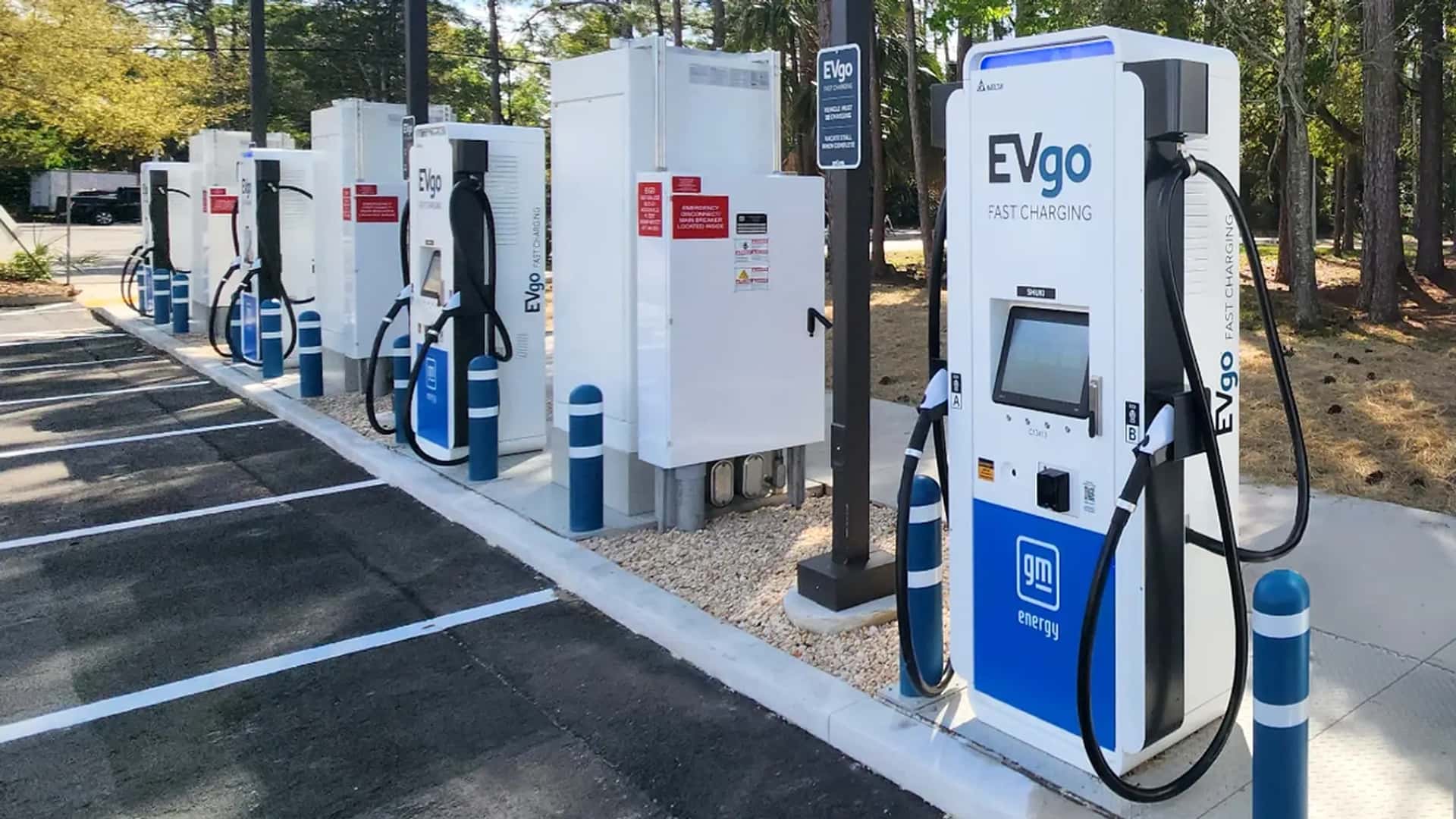
In a significant development for the electric vehicle (EV) charging landscape, EVgo, one of the largest public EV charging networks in the United States, has announced plans to deploy next-generation fast chargers capable of delivering up to 750 kilowatts (kW) of power. This represents a substantial upgrade, more than doubling the capacity of its current offerings and signaling a major leap forward in addressing range anxiety and accelerating EV adoption.
The strategic move by EVgo is poised to redefine the public charging experience, offering unprecedented speeds and enhanced user convenience. With the EV market rapidly expanding, such advancements in the EVgo charging network are crucial for supporting a growing fleet of electric vehicles and their diverse energy demands.
Key Takeaways:
- EVgo is set to deploy new 750 kW EV chargers, significantly boosting charging speeds across its network.
- These next-generation stalls will feature dynamic power sharing, ensuring optimal power delivery to each connected EV.
- The company plans to increase the deployment of North American Charging Standard (NACS) ports, expanding access for more EV drivers.
- New chargers will incorporate a touchless payment interface, streamlining the charging process.
- The 750 kW system is projected to enable 10-minute charging sessions for the fastest-charging vehicles.
- EVgo is developing and testing this advanced hardware at its Innovation Lab in El Segundo, California.
Ushering in Ultra-Fast Charging: The 750 kW Leap
Doubling Down on Power
EVgo’s upcoming system will elevate its maximum charging capacity to an impressive 750 kW, a substantial increase from its current peak of 350 kW. This power upgrade is designed to drastically cut down charging times, making long-distance travel and daily commutes more feasible and convenient for electric vehicle owners.
The increased power output is a proactive measure by EVgo to future-proof its extensive EVgo charging network. While current EVs in the U.S. do not yet fully utilize 750 kW, this prepares the infrastructure for the next wave of high-performance electric vehicles and heavy-duty electric trucks.
The Innovation Lab: A Hub for Future Charging
The groundbreaking hardware is currently undergoing rigorous design, development, and testing at EVgo’s Innovation Lab located in El Segundo, California. This dedicated facility underscores the company’s commitment to in-house expertise and its capacity to build its own state-of-the-art charging solutions.
This hands-on approach to hardware development allows EVgo to integrate cutting-edge technologies and ensure the reliability and efficiency of its next-generation chargers. The innovation emanating from this lab is critical for maintaining EVgo’s leadership in the competitive EV charging infrastructure sector.
Redefining the Charging Experience
Dynamic Power Sharing: Optimising Every Charge
A standout feature of the new stalls will be integrated dynamic power sharing. This intelligent technology allows the charging station to dynamically allocate power, ensuring that each connected EV receives the maximum power it can handle, irrespective of other vehicles charging simultaneously.
For instance, if a Lucid Gravity, capable of accepting higher power, and a Tesla Model 3, which has a different charging profile, share the same stall, the system will efficiently distribute power. This could mean 400 kW for the Lucid Gravity and 250 kW for the Tesla Model 3, optimizing charging efficiency for both vehicles without compromise.
Seamless Transactions: The Touchless Future
Enhancing user convenience further, the new hardware will feature a touchless payment interface. This innovation removes the need for drivers to download a specific smartphone application to initiate and pay for a charging session, simplifying the transaction process considerably.
Such a streamlined payment method aims to reduce friction at the charging station, making the experience more accessible and user-friendly for all electric vehicle drivers. This focus on ease of use is a critical component of encouraging wider EV adoption and improving the overall public charging experience.
The NACS Integration and Market Expansion
Embracing Industry Standards
In a move that reflects the evolving industry landscape, EVgo is set to boost the deployment of North American Charging Standard (NACS) ports at its new stations. This integration is a direct response to the growing prominence of the NACS connector across the electric vehicle industry, enhancing interoperability.
By incorporating NACS ports, EVgo is ensuring that a broader range of electric vehicles, particularly those from manufacturers adopting the Tesla-designed connector, can utilize its network. This commitment to universal access strengthens the utility and appeal of the EVgo charging network for a wider segment of the market.
Broadening Access for EV Drivers
The increased availability of NACS ports is expected to significantly expand EVgo’s addressable market. This strategic decision aligns with industry trends towards standardization and convenience, ultimately benefiting electric vehicle owners by providing more reliable and accessible charging options.
This expansion makes the EVgo charging network a more versatile and attractive option for a greater number of drivers, solidifying its role as a key player in the nation’s electric vehicle infrastructure. It signals a proactive approach to meet the diverse needs of a rapidly growing electric fleet.
Future-Proofing for a Rapidly Evolving Landscape
Preparing for Next-Generation EVs and Commercial Fleets
The decision to deploy 750 kW chargers is a clear indication of EVgo’s forward-thinking strategy. While no currently sold EVs in the U.S. can fully utilize this level of power, the company is preparing its infrastructure for the future. Overseas markets already feature electric cars capable of accepting 1,000 kW or more, highlighting the direction of battery technology and charging needs.
These high-powered stalls will be particularly beneficial for electric trucks, which often feature massive battery packs requiring substantial power to replenish quickly. This capability will be vital as commercial transport increasingly electrifies, demanding robust and rapid charging solutions that the EVgo charging network aims to provide.
Impact on Charging Times
According to EVgo, the new 750 kW system is engineered to enable ultra-fast 10-minute charging sessions for the fastest-charging vehicles available in the country. This dramatically reduced charging time is a game-changer, bringing the refueling experience closer to that of conventional gasoline vehicles.
Such efficiency is crucial for mitigating ‘range anxiety’ and encouraging more drivers to transition to electric vehicles. Faster charging capabilities across the EVgo charging network are a significant incentive for both current and prospective EV owners, ensuring convenience and minimizing wait times.
EVgo’s Strategic Vision and Network Growth
Strengthening the National Charging Backbone
EVgo currently operates nearly 2,000 DC fast charging stations across the United States, providing over 5,300 individual ports, as reported by the Department of Energy’s Alternative Fuels Data Center (AFDC). This substantial footprint makes it one of the foundational elements of the nation’s public EV charging infrastructure.
The introduction of 750 kW chargers, coupled with expanded NACS port deployment and enhanced payment options, reinforces EVgo’s strategic vision. These upgrades are not just about raw power; they are about creating a more reliable, efficient, and user-friendly EVgo charging network that can scale to meet future demands.
Conclusion: A Pivotal Step for Electric Mobility
EVgo’s commitment to deploying significantly more powerful electric vehicle chargers marks a pivotal moment for electric mobility in the United States. By investing in next-generation technology, improving user experience, and embracing industry standards, the company is actively addressing key challenges associated with EV ownership.
These advancements promise to make electric vehicle charging faster, more convenient, and more accessible, ultimately accelerating the shift towards sustainable transportation. The final design and initial deployments of these innovative 750 kW systems are eagerly anticipated for the coming year, poised to reshape the future of the EVgo charging network and electric travel.
Frequently Asked Questions (FAQ)
What is the key upgrade EVgo is making to its charging network?
EVgo is set to deploy next-generation direct current (DC) fast chargers capable of delivering up to 750 kilowatts (kW) of power. This is more than double its current maximum capacity of 350 kW, significantly enhancing the charging speed and efficiency across the EVgo charging network.
How will dynamic power sharing benefit EV drivers?
Dynamic power sharing will allow the new charging stalls to intelligently allocate optimal power to each connected EV. This means different vehicle models, regardless of their individual charging capabilities, will receive the maximum power they can handle, improving overall efficiency and reducing wait times.
What is the significance of EVgo deploying more NACS ports?
Increasing the deployment of North American Charging Standard (NACS) ports will expand EVgo’s addressable market by making its charging stations compatible with a broader range of electric vehicles, including those from manufacturers who have adopted the NACS connector. This enhances accessibility and user convenience.
Will the new EVgo chargers require a smartphone app for payment?
No, the new EVgo chargers will feature a touchless payment interface. This innovative system aims to eliminate the need for drivers to download a specific smartphone application for payment, thereby streamlining the transaction process and making charging more convenient for all users.
How quickly can I expect my EV to charge with the new 750 kW system?
EVgo anticipates that its new 750 kW charging system will enable ultra-fast charging sessions of approximately 10 minutes for the fastest-charging vehicles currently available in the market. This significantly reduces the time required to replenish an EV’s battery, enhancing the overall charging experience.
Where is EVgo developing these advanced chargers?
EVgo is actively designing, developing, and testing these next-generation 750 kW chargers at its dedicated Innovation Lab located in El Segundo, California. This in-house development ensures that the company maintains control over the technology and can rapidly iterate on improvements.
What is EVgo’s current network size in the U.S.?
According to the Department of Energy’s Alternative Fuels Data Center (AFDC), EVgo currently operates nearly 2,000 DC fast charging stations across the United States. These stations collectively offer over 5,300 individual charging ports, making it one of the largest public EV charging networks nationally.