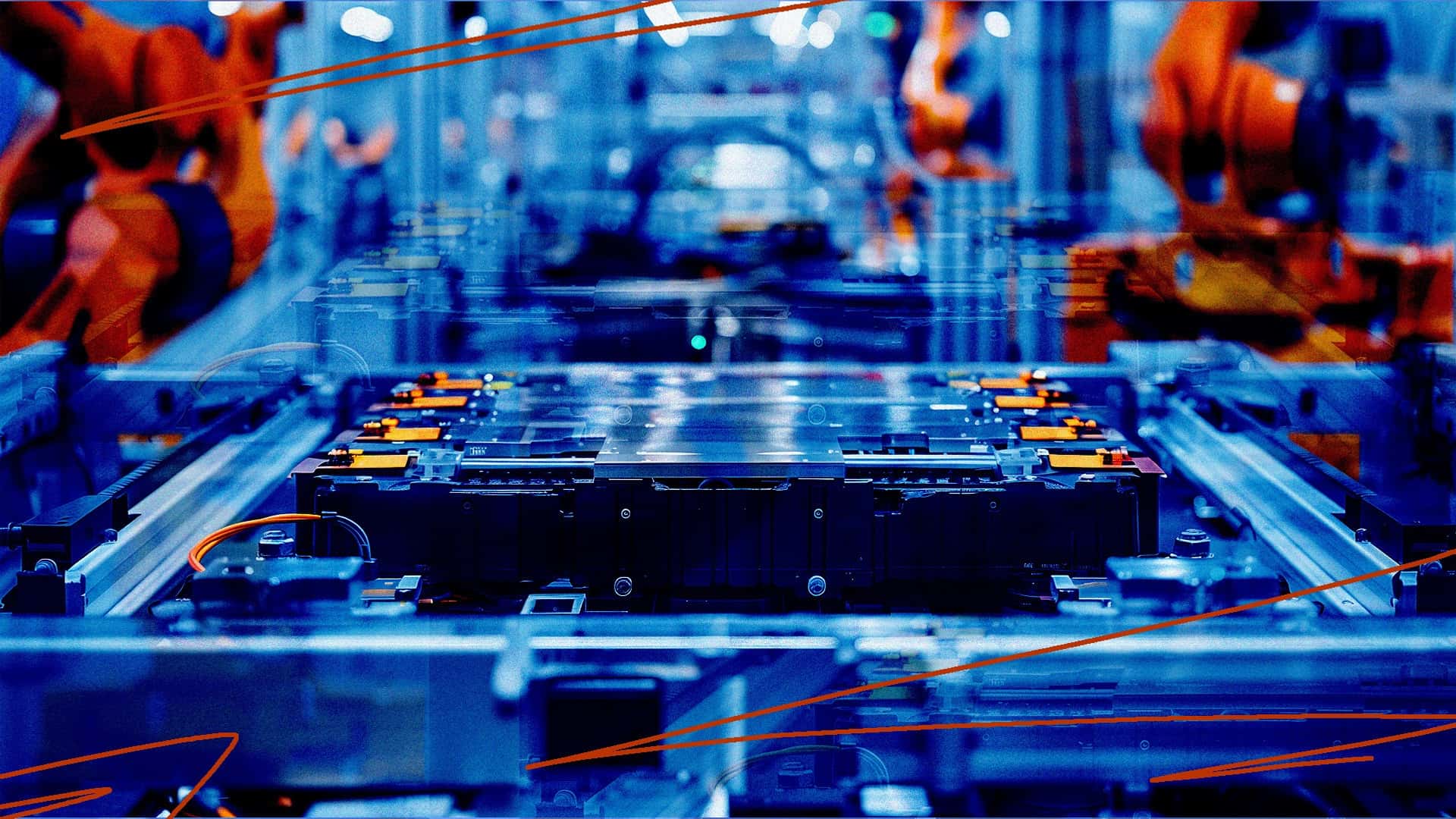
Geely, the parent company of Volvo, is significantly advancing its development of solid-state batteries, with plans to assemble the first complete battery packs this year. These advanced packs will then be integrated into development vehicles for testing.
Solid-State Batteries: The Next Frontier
Solid-state batteries are widely regarded as a revolutionary advancement in energy storage technology. Geely’s accelerated timeline signals a significant step towards making this next-generation battery widely available. The initial deployment will be in test vehicles, indicating that consumer models are still some time away. It is also important to note that Geely primarily sells vehicles in Europe and Australia, not the United States.
Geely’s Battery Technology Investments
As a major automotive conglomerate that owns brands such as Volvo, Lotus, Zeekr, and Lynk & Co, Geely’s progress in solid-state battery technology could impact a wide range of electric vehicles. The company has been investing in in-house battery development since the 2010s, focusing on both lithium iron phosphate (LFP) and solid-state cell technologies. Early reports suggest Geely’s experimental liquid-less cells have achieved energy densities of approximately 400 watt-hours per kilogram, a substantial increase over the 200-300 Wh/kg typical of current liquid-electrolyte lithium-ion batteries. Beyond higher energy density, solid-state batteries promise faster charging and enhanced safety, with a reduced risk of thermal runaway.
Industry-Wide Push for Solid-State Technology
Geely is not alone in its pursuit of solid-state battery technology. Numerous other automotive manufacturers and battery developers, including Dongfeng, SAIC, Chery, Mercedes-Benz, Stellantis, and BMW, are actively engaged in similar research and development efforts. Finland’s Donut Labs has claimed to have developed the world’s first production-ready solid-state battery, intended for use in Verge’s updated electric motorcycles. However, details surrounding these claims remain scarce, raising questions about the startup’s progress.
Challenges in Mass Production
Despite the rapid advancements, most industry experts anticipate the first mass-market production of solid-state batteries will not occur until around 2027. A primary reason for this timeline is the inherent complexity in manufacturing the solid electrolyte. This material is often extremely brittle, requiring meticulous processes to safely combine the anode, cathode, and electrolyte components without damage.