
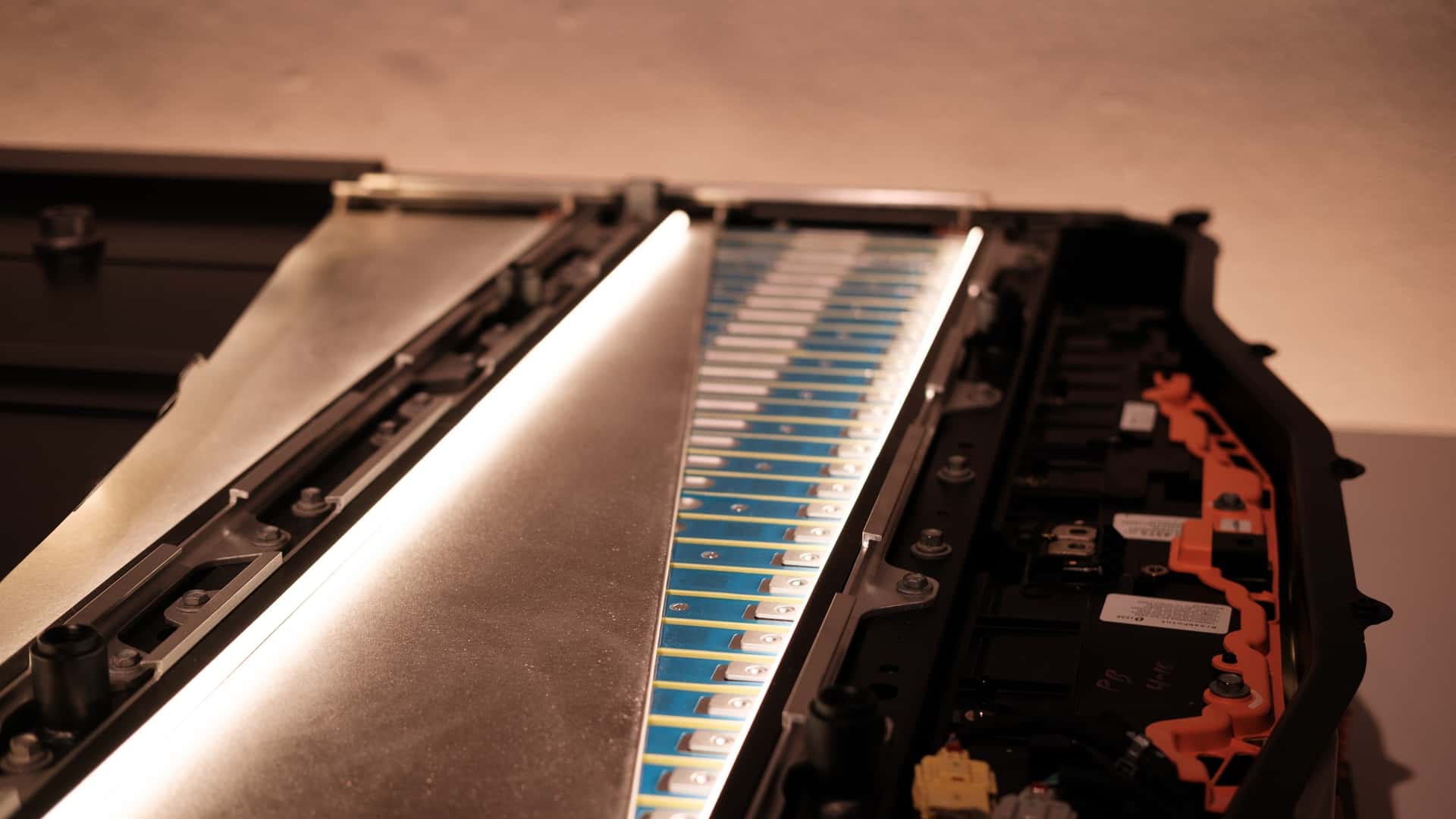
General Motors (GM) is intensifying its strategy to build more affordable electric vehicle (EV) batteries by strengthening its North American supply chain, aiming for greater independence from China-dominated markets.
Localization of Battery Components
While GM already utilizes U.S.-made battery cells through its joint venture with LG Energy Solution, the company is now significantly expanding its focus to include the sourcing of critical raw materials like lithium and cathode active materials (CAM) within North America. This move is designed to reduce costs, enhance supply chain security, and gain more control over EV pricing, mirroring the competitive advantage of Chinese automakers.
Engineer’s Perspective on Supply Chain Independence
Andy Oury, GM’s Battery Engineer and Business Planning Manager, highlighted the company’s ambitious goals in a recent ‘Core Memory Podcast’ episode. “As we get close to the end of this decade, the level of battery manufacturing independence that we have will be almost unrecognizable from today,” Oury stated, underscoring a significant shift towards domestic production.
Strategic Sourcing Deals and New Chemistries
GM has entered into several supply agreements over the past few years, many influenced by the Biden-era Inflation Reduction Act’s requirements for EV tax credits. These deals focus on securing materials such as nickel, cobalt, manganese, and aluminum from North American sources.
Cathode Material Sourcing
Currently, GM employs nickel manganese cobalt aluminum (NMCA) pouch batteries across its EV range. The automaker is also developing a new lithium manganese-rich (LMR) chemistry. This innovation aims to reduce reliance on expensive nickel and cobalt, increasing manganese content. GM projects this LMR chemistry will offer a cost comparable to lithium iron phosphate (LFP) batteries while maintaining a driving range similar to traditional NMC batteries.
Manganese and Nickel Supply
For manganese, GM is partnering with Element 25, which will process the material at its Louisiana plant, sourced from Australia. This agreement, announced in 2023, is set to provide 32,500 metric tons of manganese sulfate annually, sufficient for approximately 1 million North American EVs. For nickel, GM has a partnership with Vale, which will begin supplying nickel from its Canadian operations starting in 2026. Despite a pause in the second phase of Vale’s dedicated Quebec facility due to projected cooling EV demand, Vale confirms its commitment to commence nickel production on schedule, leveraging existing Canadian plants.
Anode and Lithium Procurement
GM is also localizing its anode supply chain, signing a multi-billion dollar deal with Vianode for synthetic graphite, a key anode material. Vianode plans to commence shipments from its large-scale plant in Ontario by 2027. Furthermore, GM is securing lithium through an investment in Lithium Americas’ Thacker Pass mine project in Nevada, taking a 38% stake in the operation.
Cost Reduction at the Core
Oury emphasized that targeting the most expensive components is key to reducing EV costs. “The battery is the most expensive part of an EV. The cells are the most expensive part of the battery pack. The cathode is the most expensive part of the cell,” he explained. “With our LFP and LMR announcements, we’re directly attacking the most expensive part of the cell,” he added, referring to GM’s strategy to cut costs at the material source.
Future EV Offerings
GM is implementing LFP cells in models like the new Chevy Bolt and a future trim of the Silverado EV. Starting in 2028, the company will introduce prismatic LMR cells for its full-size trucks, projecting over 400 miles of range at a reduced cost. Oury concluded, “This is not about making people buy electric vehicles. It’s about making electric vehicles that people want to buy.”