
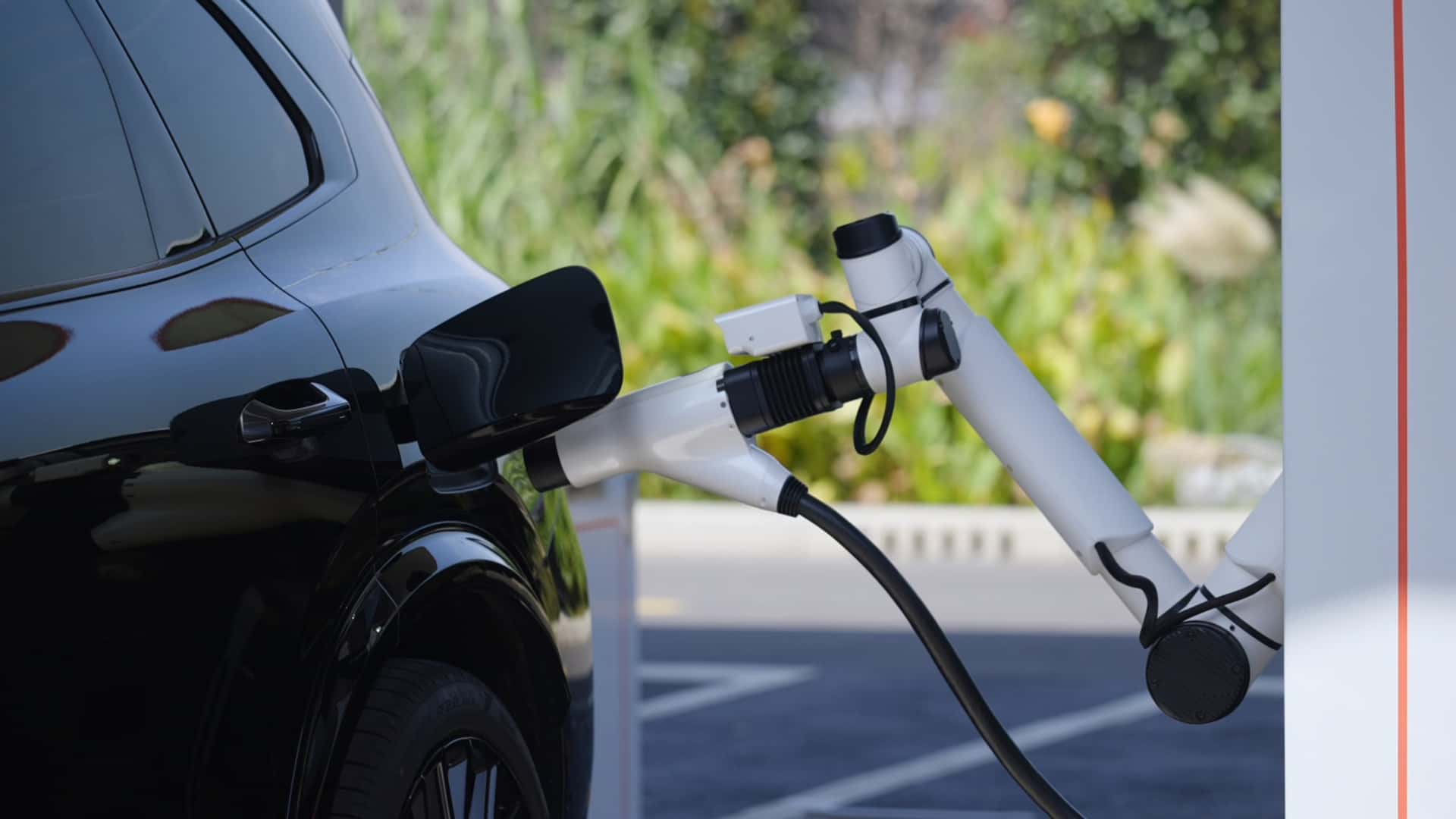
In a groundbreaking development poised to redefine electric vehicle (EV) charging, Geely Auto Group has unveiled a cutting-edge Smart Charging System capable of delivering an astounding 2.25 megawatts (MW) of peak power. This innovative system, coupled with a new Ultra Short Blade Battery, positions Geely at the forefront of the global race for ultra-fast EV charging solutions, significantly surpassing existing technologies from both Western manufacturers and rival Chinese automakers.
Key Takeaways
- Geely Auto Group’s new Smart Charging System boasts an industry-leading peak charging speed of 2.25 megawatts.
- The system enables specific Geely brands like Lynk & Co 10 and Zeekr 001 to charge from 10-70% in just 4 minutes and 30 seconds.
- Advanced battery management includes an AI-powered system, Xingrui PowerMind, and an “end-to-end five point liquid cooling” thermal management.
- A novel “lithium-ion pulse restoration” technology aims to mitigate battery degradation during rapid charging.
- This technology significantly outpaces current Western EV charging capabilities and establishes a new benchmark for speed in the electric mobility sector.
The announcement confirms a shift in the electric vehicle landscape, where charging times are rapidly approaching the convenience of refuelling a conventional internal combustion engine vehicle. This advancement is particularly critical for fostering wider EV adoption by alleviating range anxiety and streamlining the charging experience for millions of potential users.
Unprecedented Charging Speeds Set New Industry Benchmark
Geely Auto Group’s fifth-generation Smart Charging System, revealed on a recent Wednesday, promises to transform the daily experience of electric car ownership. At its core, the system’s ability to deliver 2,250 kilowatts (2.25 MW) of power represents a monumental leap in charging technology, effectively setting a new global benchmark.
Real-World Performance Metrics
Demonstrating its real-world impact, Geely has confirmed that electric vehicles from its Lynk & Co and Zeekr brands, specifically the newest Lynk & Co 10 and Zeekr 001 versions, can achieve a 10-70% charge in a mere 4 minutes and 30 seconds. This rapid charging capability is a direct result of the synergistic relationship between the new Smart Charging System and the innovative Ultra Short Blade Battery.
Further showcasing its efficiency, the system can bring an EV from 10% to 97% charge in just 8 minutes and 40 seconds. These figures dramatically outstrip those offered by competitors, including BYD’s 1.5 MW Flash chargers, which perform a 10-70% charge in approximately five minutes and 10-97% in nine minutes.

The practical implications of such rapid charging are profound. Drivers could theoretically plug in their electric cars at a public fast-charging station during a brief stop and gain substantial range in the time it takes for a coffee break, effectively making long-distance EV travel more feasible and convenient.
Advanced Technology Safeguarding Battery Health
Pumping electricity into an EV battery at megawatt speeds demands sophisticated management to prevent potential damage and ensure the longevity of the battery cells. Geely has addressed these concerns by integrating advanced technologies designed to protect battery health and optimize performance under extreme charging conditions.
AI-Powered Thermal Management
Central to this protective strategy is Geely’s AI-powered system, Xingrui PowerMind. This intelligent system is engineered to meticulously predict battery temperatures and dynamically adjust charging speeds. Its primary function is to maintain the battery’s average temperature at a stable 55 degrees Celsius, with a stringent ceiling of 65 degrees Celsius. This precise temperature control is vital in mitigating the risks associated with rapid heat generation during ultra-fast charging, thereby preserving the battery’s long-term health and efficiency.
Complementing the AI management is an innovative thermal management system, which Geely refers to as an “end-to-end five point liquid cooling.” This comprehensive system coordinates heat dissipation across multiple critical components: the battery pack itself, the charging port, the charging cable, the charging dispenser, and the energy storage batteries supporting the chargers. This holistic approach ensures that heat is managed effectively throughout the entire charging ecosystem, enabling the sustained delivery of 2.2 MW speeds without compromising safety or component integrity.
Innovative Lithium-Ion Pulse Restoration
Addressing a common concern in ultra-fast charging, Geely has also introduced a “lithium-ion pulse restoration” technology. This patented process utilizes micro pulse currents to reactivate lithium ions that may accumulate at the anode during repeated fast-charging cycles. This phenomenon, known as lithium plating, can lead to the formation of metallic lithium on the anode’s surface, potentially degrading the battery’s capacity and overall lifespan. It can be likened to trying to fill a bottle faster than its neck allows, causing spillage.
The micro pulses are theorised to dislodge these ‘stuck’ ions, allowing them to re-engage in the electrochemical reactions, thus maintaining the battery’s performance and extending its operational life. This breakthrough in battery technology underscores Geely’s commitment to not only speed but also sustainability and durability in their electric vehicle charging solutions.
The Global Race for Ultra-Fast EV Charging
The introduction of Geely’s 2.25 MW system intensifies the global competition in EV charging technology, showcasing China’s accelerated pace in developing cutting-edge solutions for electric mobility. This advancement significantly widens the gap between the charging capabilities available in the Chinese market and those currently offered in Western regions.
Comparing to Western and Rival Chinese Offerings
For context, some of the fastest-charging electric vehicles available in markets like the U.S. include the Lucid Gravity and Porsche Cayenne Electric, both of which offer a maximum charging rate of around 400 kilowatts (0.4 MW). While impressive in their own right, these figures pale in comparison to Geely’s new system.
Looking ahead, the Mercedes-AMG GT 4-Door Coupe is projected to lead Western automakers with a peak charging speed of 600 kW (0.6 MW) and an estimated 10-80% charging time of just 11 minutes upon its availability. Even this next-generation Western capability remains substantially behind the current speeds achieved by Geely’s system, highlighting a significant divergence in the pace of innovation within the automotive industry.
Within China, the competition is particularly fierce. While BYD made considerable headlines with its 1.5 MW Flash chargers last year, Geely’s 2.25 MW system now significantly surpasses even this robust offering, further escalating the performance benchmarks for electric vehicle charging technology.
Deployment Challenges and Market Dynamics
Despite Geely’s technological superiority in peak charging speeds, the scale of deployment remains a critical factor in market dominance. BYD, for instance, has demonstrated aggressive expansion of its charging infrastructure. As of August, the company had already deployed 10,000 of its T-shaped Flash chargers across China, with plans to expand this network to 20,000 by the end of the year. Furthermore, BYD intends to install 3,000 of these megawatt chargers in Europe, indicating a strong commitment to global infrastructure development.
The challenge for Geely, therefore, lies not only in the engineering marvel of its new system but also in its ability to match or exceed the extensive deployment strategies of its rivals. Building a widespread network of 2.25 MW charging stations demands substantial investment, logistical coordination, and strategic partnerships, factors that will ultimately determine the broader impact and accessibility of this cutting-edge technology.
Implications for the Future of Electric Mobility
Geely’s advancements signify more than just faster charging; they represent a pivotal moment in the evolution of electric mobility, with far-reaching implications for consumers, infrastructure developers, and the automotive industry as a whole.
Accelerating EV Adoption and Infrastructure Development
The ability to recharge an EV in minutes, rather than hours, directly addresses one of the most significant barriers to widespread electric vehicle adoption: charging time. By dramatically reducing the time spent at charging stations, Geely’s technology can make EVs a more viable and attractive option for individuals and fleets alike, potentially accelerating the global transition to sustainable transport.
This rapid charging capability will also necessitate a corresponding evolution in charging infrastructure. The deployment of 2.25 MW chargers requires robust grid connections, advanced power distribution systems, and potentially dedicated energy storage solutions to handle the immense power demands. This will spur further innovation in infrastructure planning and smart grid technologies, driving economic growth and creating new opportunities in the energy sector.
The Evolving Landscape of EV Battery Technology
The focus on ultra-fast charging also highlights the continuous advancements in EV battery technology. Innovations like Geely’s Ultra Short Blade Battery and lithium-ion pulse restoration technology are crucial for creating batteries that can withstand high-power input without compromising safety, durability, or cost-effectiveness. The ongoing research and development in battery chemistry, thermal management, and smart charging algorithms will continue to push the boundaries of what is possible in electric vehicle performance and user experience.
As the automotive industry progresses, the convergence of high-power charging, intelligent battery management, and resilient battery designs will be key to unlocking the full potential of electric vehicles, making them an indispensable part of future transportation systems worldwide.
FAQ Section
What is Geely’s new Smart Charging System?
Geely Auto Group’s new Smart Charging System is a fifth-generation electric vehicle charging technology that offers an unprecedented peak charging speed of 2.25 megawatts (2,250 kilowatts). It is designed to significantly reduce EV charging times, making the process comparable to refueling traditional gasoline vehicles.
How fast can Geely’s new system charge an EV?
The system can charge compatible Geely brand EVs, such as the Lynk & Co 10 and Zeekr 001, from 10% to 70% in just 4 minutes and 30 seconds. A more extensive charge from 10% to 97% can be achieved in approximately 8 minutes and 40 seconds.
What is the significance of 2.25 megawatts?
2.25 megawatts represents an exceptionally high power output for an EV charger, making it the fastest in the world currently. This level of power enables ultra-rapid charging, dramatically reducing waiting times and enhancing the practicality of electric vehicles for daily use and long-distance travel.
How does Geely’s system protect battery health during rapid charging?
Geely employs an AI-powered system called Xingrui PowerMind for dynamic temperature control, keeping the battery between 55-65 degrees Celsius. It also uses an “end-to-end five point liquid cooling” system and a “lithium-ion pulse restoration” technology to prevent lithium plating and ensure long-term battery integrity.
How does this compare to other fast chargers on the market?
Geely’s 2.25 MW system significantly surpasses other fast chargers. For instance, BYD’s previous market-leading Flash chargers offer 1.5 MW, while some of the fastest Western EVs like Lucid Gravity and Porsche Cayenne Electric charge at around 400 kW. Even upcoming Western systems like the Mercedes-AMG GT 4-Door Coupe will peak at 600 kW.
What are the implications of this technology for EV owners?
For EV owners, this technology means drastically reduced charging times, potentially eliminating range anxiety and making electric vehicles much more convenient for everyday use and extended journeys. It could also accelerate the development of more robust and widespread charging infrastructure globally.
Will this Geely EV charging technology be available globally soon?
While the technology is currently rolling out in China for Geely’s domestic brands, the global deployment timeline and scale are yet to be fully detailed. Expanding such high-power infrastructure worldwide involves significant logistical and investment challenges, but it sets a clear direction for future global EV charging standards.