
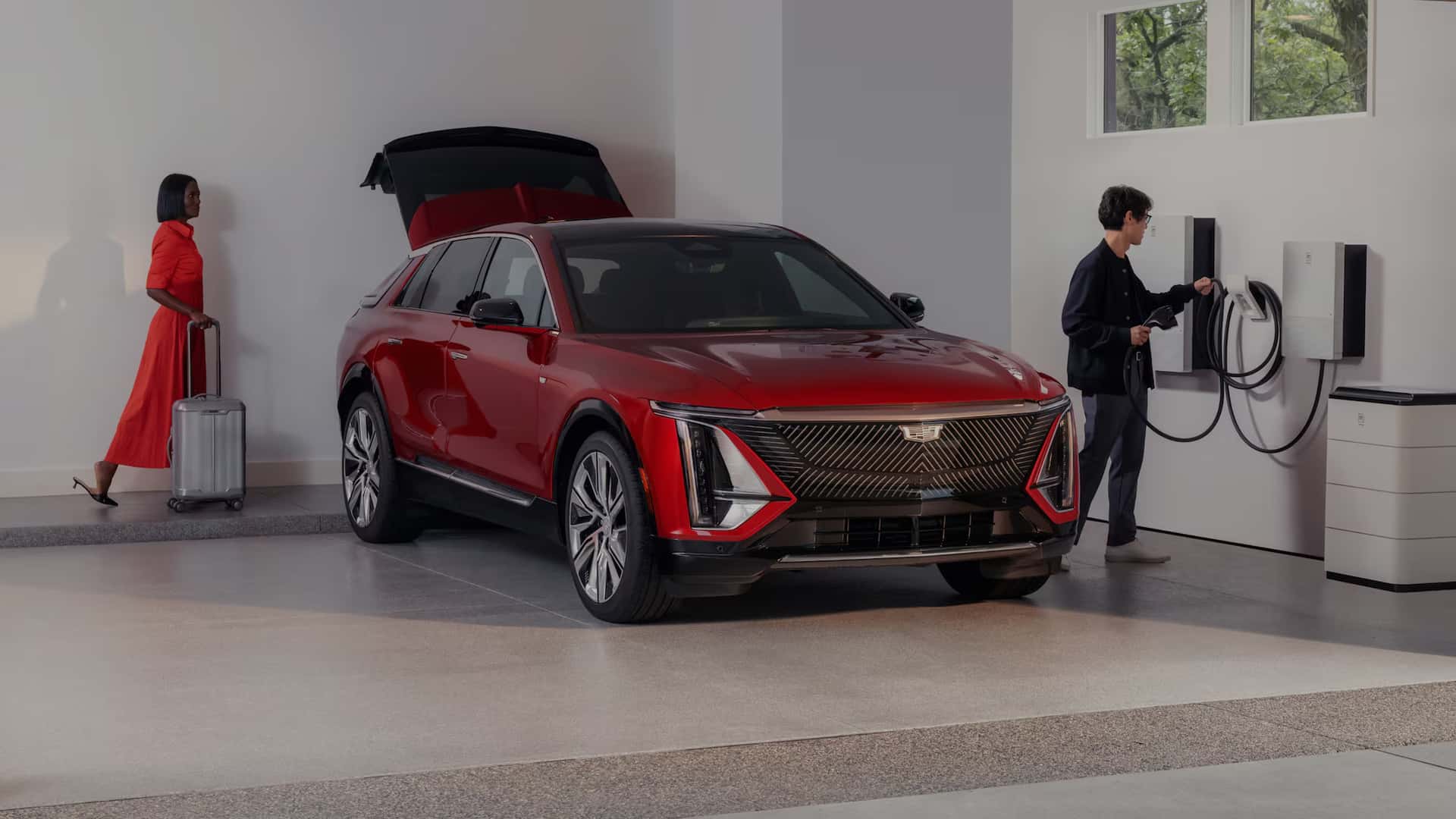
General Motors (GM) is setting a new benchmark in electric vehicle (EV) ownership by actively working to lower home charging expenses for its customers. Through a strategic collaboration between General Motors Energy, the automaker’s dedicated energy management business, and WeaveGrid, a leading grid-edge orchestration software provider, eligible GM EV drivers are poised to gain access to advanced managed charging programs and a suite of utility services.
This initiative represents a pivotal step towards integrating electric vehicles more seamlessly into the existing energy grid, offering substantial economic and environmental benefits. By leveraging smart technology, GM aims to empower its EV owners with greater control over their electricity consumption and costs, thereby enhancing the overall value proposition of electric mobility.
Key Takeaways
- General Motors Energy has partnered with WeaveGrid to introduce advanced energy management solutions for EV owners.
- The collaboration enables eligible GM electric vehicle drivers to enroll in managed charging programs, designed to reduce home electricity bills.
- These programs facilitate automatic charging during off-peak hours when electricity is cheaper and more readily available.
- Future phases will allow EV owners with GM Energy’s vehicle-to-home (V2H) systems to participate in utility grid services, bolstering grid stability and offering potential financial incentives.
- The move aligns GM with a growing industry trend among major automakers to offer sophisticated energy management capabilities to EV consumers.
Revolutionizing Home Charging with Managed Programs
At the core of this innovative partnership is the introduction of managed charging programs. These programs are specifically designed to optimize when and how eligible GM EVs are charged at home. The fundamental principle is straightforward: by automatically scheduling charging sessions during periods of lower electricity demand, typically off-peak hours, EV owners can significantly reduce their overall energy bills.
The system intelligently responds to dynamic electricity pricing, ensuring that high-voltage batteries are replenished when energy is not only more affordable but also often sourced from cleaner, more abundant renewable energy supplies. This intelligent approach to energy management helps alleviate strain on local utility grids, contributing to a more sustainable energy ecosystem.
For the average EV owner, this translates into tangible savings, making electric vehicle ownership even more economically attractive. The convenience of automatic optimization means drivers can simply plug in their vehicle and let the system handle the most cost-effective charging schedule without manual intervention.
Integrating Vehicle-to-Home (V2H) Technology with Grid Services
While managed charging programs are the immediate focus, the collaboration extends to more advanced grid services, particularly for those GM EV drivers equipped with vehicle-to-home (V2H) systems. These cutting-edge systems, offered by GM Energy, allow electric vehicles to not only draw power from the grid but also to export energy back to a homeowner’s residence, serving as a robust power backup during outages.
The integration with WeaveGrid’s sophisticated software amplifies the utility of V2H technology. Eligible Chevrolet, GMC, and Cadillac EV drivers with properly interconnected V2H systems will be able to enroll in specialized utility programs where available. In these scenarios, utilities can strategically leverage the distributed battery storage capacity within customers’ homes.
This capability enables utilities to perform critical load shifting operations, drawing power from EV batteries during periods of peak demand or grid instability. This innovative approach helps to balance the grid, enhance its resilience, and potentially integrate more intermittent renewable energy sources, ultimately benefiting the entire community.
Mutual Benefits: Incentives and Grid Stability
This symbiotic relationship creates a ‘win-win’ situation for all stakeholders. Homeowners participating in these utility programs are often eligible for financial incentives or rebates, directly rewarding them for contributing to grid stability. These incentives can further offset the cost of owning and operating an EV, strengthening the economic argument for electric mobility.
For utilities, access to a network of distributed energy storage assets, such as EV batteries, provides invaluable flexibility in managing electricity supply and demand. This reduces the need for costly infrastructure upgrades and helps prevent blackouts, particularly during extreme weather events or periods of high electricity consumption. The collaboration underscores a future where EVs are not just transportation devices but integral components of a smart, responsive energy grid.
GM Energy’s Holistic Vision and WeaveGrid’s Expertise
General Motors Energy’s broader strategic vision is to offer comprehensive energy management solutions that extend beyond the vehicle itself, encompassing home and commercial applications. This partnership with WeaveGrid is a testament to that holistic approach, merging automotive innovation with advanced energy technology.
Mathias Bell, VP of Market Development and Partnerships at WeaveGrid, highlighted the significance of this evolving landscape. He stated, “GM Energy’s work across EVs, charging, and home energy reflects where the grid is heading.” This statement emphasizes the industry’s shift towards more interconnected and intelligent energy systems where electric vehicles play a crucial, active role.
Bell further elaborated, “Managed charging is one of the most important near-term opportunities for utilities, and the same foundation can support a broader set of grid services, from distribution-level orchestration to bidirectional charging and residential storage. Working with GM Energy helps make these programs easier for customers to participate in and more valuable for utilities to operate.” His comments underscore WeaveGrid’s critical role in providing the software backbone that makes these complex grid interactions seamless and efficient, thereby enhancing the value for both EV owners and utility providers.
WeaveGrid’s expertise in grid-edge orchestration is vital for managing the complex flow of energy between electric vehicles, homes, and the utility grid. Their software acts as an intelligent intermediary, optimizing energy usage based on real-time grid conditions, electricity rates, and individual customer preferences. This sophisticated management ensures that the benefits of managed charging programs are maximized while maintaining grid reliability.
Broad Adoption Across GM’s Electric Fleet
GM’s commitment to these advanced energy solutions is evident in the widespread support for V2H technology across its current and upcoming electric vehicle lineup. From the accessible 2027 Chevrolet Bolt to the luxurious 2026 Cadillac Celestiq and the robust 2026 GMC Sierra EV, a significant portion of GM’s electric models are designed with V2H capabilities. This broad implementation ensures that a wide array of GM EV owners can eventually partake in these innovative energy management programs.
This proactive stance by General Motors aligns with a growing trend among leading automakers. Many other prominent EV manufacturers are also forging partnerships and developing their own managed charging programs and grid service integrations. Companies like Rivian, Toyota, Ford, Hyundai, Kia, Tesla, and Stellantis have similarly introduced capabilities aimed at optimizing EV charging and supporting grid stability. This collective industry movement signifies a strong push towards a future where electric vehicles are central to a more efficient and resilient energy infrastructure.
The Future of EV Ownership and Energy Management
The collaboration between GM Energy and WeaveGrid is more than just a partnership; it is a blueprint for the future of electric vehicle ownership. It signifies a transition from simply owning an EV to actively participating in and benefiting from a smarter, more interconnected energy ecosystem. As more consumers adopt electric vehicles, the demand for sophisticated energy management solutions will only grow.
These managed charging programs represent a crucial step towards making EV ownership more affordable, convenient, and environmentally responsible. By enabling EV owners to leverage their vehicles as dynamic energy assets, General Motors is not only enhancing customer value but also playing a key role in the broader transition to a cleaner, more stable energy future. The focus on integrating EVs with the utility grid through smart software solutions paves the way for a truly sustainable transportation and energy paradigm.
FAQ Section
What are managed charging programs for EVs?
Managed charging programs allow electric vehicles to automatically charge during specific times, typically off-peak hours when electricity rates are lower and renewable energy is often more abundant. This optimization helps EV owners reduce their home charging costs and supports grid stability.
How does the GM Energy and WeaveGrid partnership benefit EV owners?
This partnership enables eligible GM EV drivers to enroll in managed charging programs to lower electricity bills. Additionally, owners with GM Energy’s V2H systems can participate in utility programs, potentially receiving incentives for contributing to grid stability.
What is Vehicle-to-Home (V2H) technology?
V2H technology allows an electric vehicle’s high-voltage battery to supply power directly to a home. This feature can be used for emergency backup during power outages, keeping essential household appliances operational, and potentially feeding power back to the grid.
Which GM EV models support V2H functionality?
Many current and upcoming General Motors electric models are designed to support V2H technology. This includes vehicles like the 2027 Chevrolet Bolt, the 2026 Cadillac Celestiq, and the 2026 GMC Sierra EV, indicating broad integration across GM’s EV lineup.
Are other automakers offering similar managed charging solutions?
Yes, GM is part of a wider industry trend. Several other prominent electric vehicle manufacturers, including Rivian, Toyota, Ford, Hyundai, Kia, Tesla, and Stellantis, also offer similar managed charging programs and grid integration capabilities to their EV owners.
How does this partnership contribute to grid stability?
By coordinating EV charging with grid conditions and allowing V2H-equipped vehicles to feed power back, the partnership helps utilities balance supply and demand. This reduces strain on the grid, especially during peak periods, enhancing overall reliability and potentially integrating more renewable energy sources.