
Key Takeaways
- General Motors is adopting a new ‘propulsion-agnostic’ electrical and compute architecture, centralizing vehicle functions into a single unit.
- This advanced platform, dubbed a ‘Central Compute Unit,’ will manage autonomous driving, in-car AI, and powertrain across both electric (EVs) and traditional gasoline vehicles.
- The innovation aims to replicate sophisticated software features, akin to Tesla’s Sentry Mode and Rivian’s Pet Mode, for GM’s vast lineup.
- The architecture promises 40 times more computing power, 30% less wiring, and 50% faster cellular connectivity than previous GM systems.
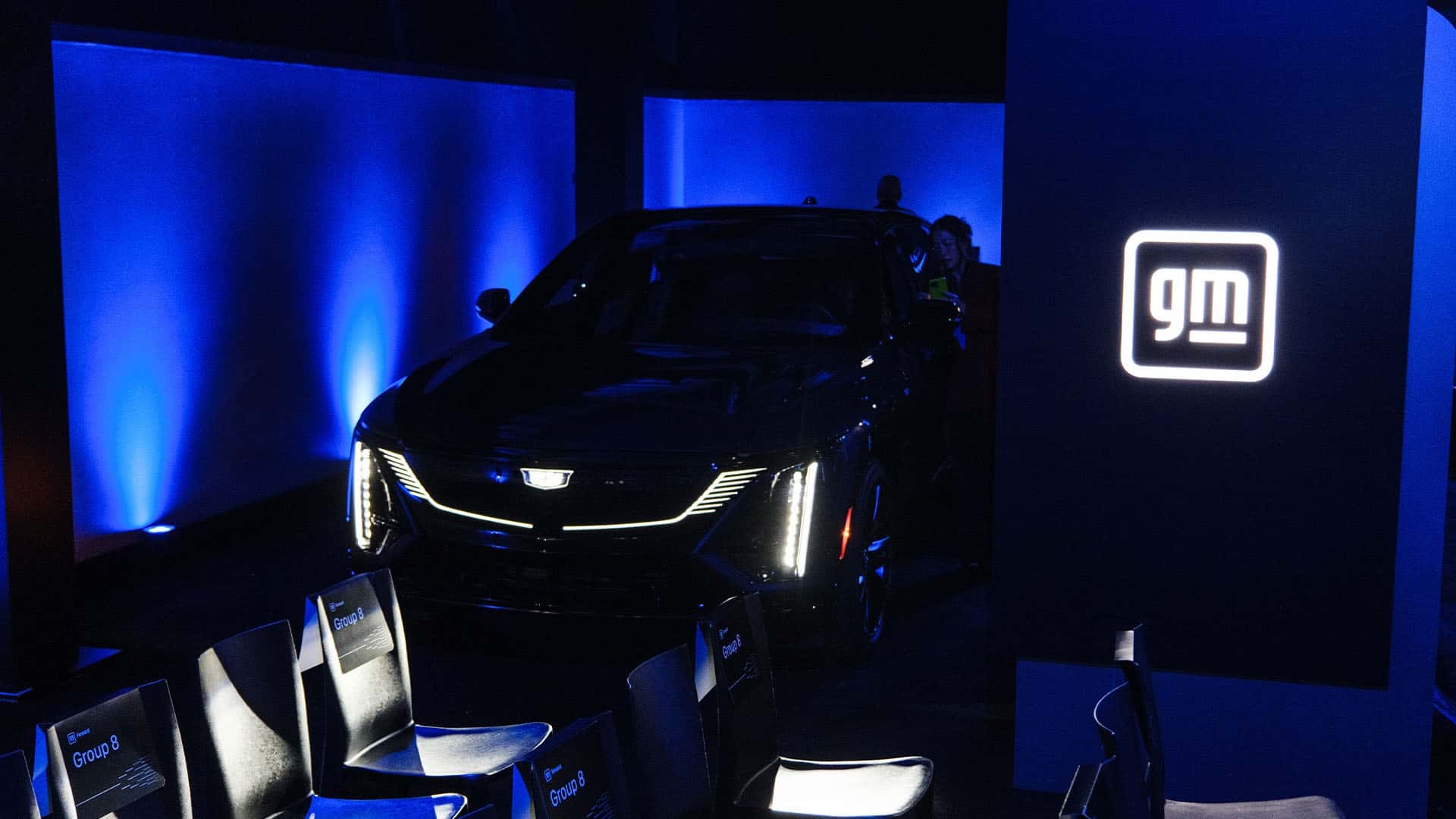
- Debuting on the 2028 Cadillac Escalade IQ, this technology will rapidly integrate into gas-powered full-size SUVs, three-row crossovers, and fourth-generation EVs.
In a significant strategic move, General Motors (GM) is set to redefine the automotive experience by extending advanced software features, traditionally associated with modern electric vehicles, to its entire portfolio, including its popular gasoline-powered SUVs. This initiative marks a pivotal shift towards a ‘propulsion-agnostic’ architecture, aiming to integrate cutting-edge digital capabilities across its diverse vehicle range.
Modern vehicles, particularly those from all-electric brands like Tesla and Rivian, have popularised a suite of sophisticated software functionalities. These include security camera features such as Tesla’s Sentry Mode, climate control settings like Rivian’s Pet Mode, and advanced driver assistance systems that receive meaningful over-the-air (OTA) updates. GM’s latest announcement signals its intent to make these innovations accessible to a broader consumer base.
The Dawn of Centralised Vehicle Software: A Paradigm Shift
At the heart of GM’s strategy is a new electrical and compute architecture, which consolidates critical vehicle functions into a singular, centralised ‘Central Compute Unit.’ This unit is engineered to oversee autonomous driving systems, advanced in-car AI capabilities, and comprehensive powertrain management. Crucially, this advanced platform is designed to be compatible with both electric and conventional internal combustion engine (ICE) powertrains.
Understanding the implications requires a brief look at traditional automotive engineering. Historically, vehicles have relied on dozens of individual Electronic Control Units (ECUs). Each ECU is a dedicated computer responsible for specific tasks, such as operating the anti-lock braking system or controlling seat motors. These units often operate independently, communicating through antiquated, low-throughput wiring looms that can be found crisscrossing most gasoline cars and many older EVs. This distributed, often disjointed, architecture is a primary reason why software functions in traditional cars often feel sluggish and less integrated.
The Tesla Model 3 Blueprint and GM’s Evolution
Tesla dramatically simplified this complexity with the Model 3, which notably featured over 70 fewer pounds of wiring than a typical car, consolidating computing power into just two main units. This streamlined approach enabled a wealth of software features, including Dog Mode, Camp Mode, Sentry Mode for continuous security camera footage, and highly sophisticated consumer driver assistance systems.
GM’s existing electric vehicles currently operate on a somewhat blended architecture, which is not as fully centralised as those found in vehicles from innovators like Tesla, Rivian, BYD, and Lucid. This has, at times, led to apps that are less responsive and standard advanced driver assistance systems that are considered middling by industry benchmarks. The upcoming shift to a truly centralised platform is expected to address these performance gaps directly.
‘Propulsion-Agnostic’ Architecture: Key Benefits and Rollout
The company confirmed that its advanced centralised computing system will make its debut in the 2028 Cadillac Escalade IQ. Following this launch, the technology is slated for rapid expansion across GM’s product lineup, encompassing its gas-powered full-size SUVs, its three-row crossovers, and its forthcoming fourth-generation EVs. This comprehensive rollout underscores GM’s commitment to a unified, technologically advanced user experience.
GM highlights the significant enhancements this new architecture brings: “This propulsion-agnostic architecture delivers 40x more computing power with 30% less wiring length and mass, plus up to 50% faster cellular connectivity than our previous systems, for smoother streaming, quicker downloads and more responsive connected Services,” GM says. These improvements are critical for enabling the seamless integration and swift performance of sophisticated software functionalities.
For consumers, this translates into a dramatically improved in-car experience. Expect a vehicle ecosystem where new functionalities and updates can be deployed more frequently and reliably through over-the-air updates, mirroring the dynamic digital ecosystems found in smartphones and other connected devices.
Addressing Legacy Challenges and Future-Proofing Volume
One of the core challenges faced by established automakers is the substantial cost associated with developing cutting-edge software that can compete with dedicated EV players. By migrating both gasoline and electric products onto a single, unified software-defined vehicle platform, GM stands to significantly amortise these development costs across a much larger volume of vehicles. This strategy provides a crucial economic advantage in the highly competitive automotive technology race.
With its substantial production volume and considerable investment in technological talent, including recruitment from Silicon Valley, GM is strategically positioned to capitalise on this transition. The company’s extensive experience with hundreds of thousands of EVs already on the road further enhances its capability to develop and deploy next-generation software-defined vehicles effectively.
The Competitive Landscape: A Race Towards Software Dominance
While GM’s initiative is ambitious, it operates within a rapidly evolving competitive environment. Several rival automakers are also aggressively pursuing software-defined vehicle (SDV) platforms. Companies such as BMW are already fielding combined gasoline and electric SDV platforms, demonstrating the industry-wide recognition of this technological imperative.
Ford, another major player, is also set to launch its own true SDV platform, although initially focused on purely electric vehicles, preceding GM’s full implementation. Furthermore, a significant majority of Chinese EVs are already built upon true SDV architectures, many of which are shared across plug-in hybrid and other gasoline-burning models. This intense global competition underscores the urgency and importance of GM’s shift.
General Motors’ move is not merely about adopting new technology; it is a clear affirmation that software-defined vehicles represent the undeniable future of the automotive industry, regardless of the underlying propulsion system. This propulsion-agnostic approach ensures that advanced digital experiences become a standard expectation across all vehicle segments.
Frequently Asked Questions (FAQs)
What does ‘propulsion-agnostic’ mean in GM’s context?
Propulsion-agnostic refers to GM’s new vehicle architecture that supports both electric and traditional gasoline powertrains. This means the same advanced software features and centralised computing system can be implemented across various types of vehicles, regardless of how they are powered.
What is a Central Compute Unit and how does it differ from older systems?
A Central Compute Unit is a single, centralised computer that manages a vehicle’s most important functions, including autonomous driving, AI, and powertrain. It replaces dozens of disparate Electronic Control Units (ECUs) found in older vehicles, leading to reduced complexity, less wiring, and faster communication.
Which GM vehicles will first receive this new software architecture?
GM’s new centralised software architecture is slated to debut on the 2028 Cadillac Escalade IQ. Following this, it will quickly expand to other key models, including gas-powered full-size SUVs, three-row crossovers, and the company’s fourth-generation electric vehicles.
What are the benefits of a centralised software platform for consumers?
For consumers, a centralised software platform means more advanced and responsive features, faster over-the-air updates, and improved driver assistance systems. It enables functionalities like continuous security camera footage (Sentry Mode) and intelligent climate control (Pet Mode) across a wider range of vehicles.
How does GM’s approach compare to competitors in the software-defined vehicle space?
GM is joining a competitive field where companies like Tesla, Rivian, BMW, and Ford are already advanced in software-defined vehicle development. While GM isn’t breaking entirely new ground, its comprehensive, propulsion-agnostic strategy aims to leverage its scale and integrate these advancements across its entire lineup.