
Key Takeaways:
- The U.S. Department of Commerce has effectively banned Polestar from selling new vehicles in the United States starting with the 2027 model year.
- This decision stems from the Connected Vehicle Rule, which prohibits vehicles with certain Chinese-linked connected technologies due to national security risks, including potential data collection.
- Polestar, majority-owned by China’s Geely Holding, could not secure an exemption despite some domestic production.
- The move is expected to bolster Tesla’s dominant position in the US EV market by eliminating a direct premium competitor.
- Polestar will pivot its growth strategy to Europe, selling off remaining US inventory and maintaining service for existing customers.
- This action reflects a broader U.S. strategy to protect its domestic auto industry and critical technology from foreign influence.
US Department of Commerce Implements Sweeping Ban on Polestar
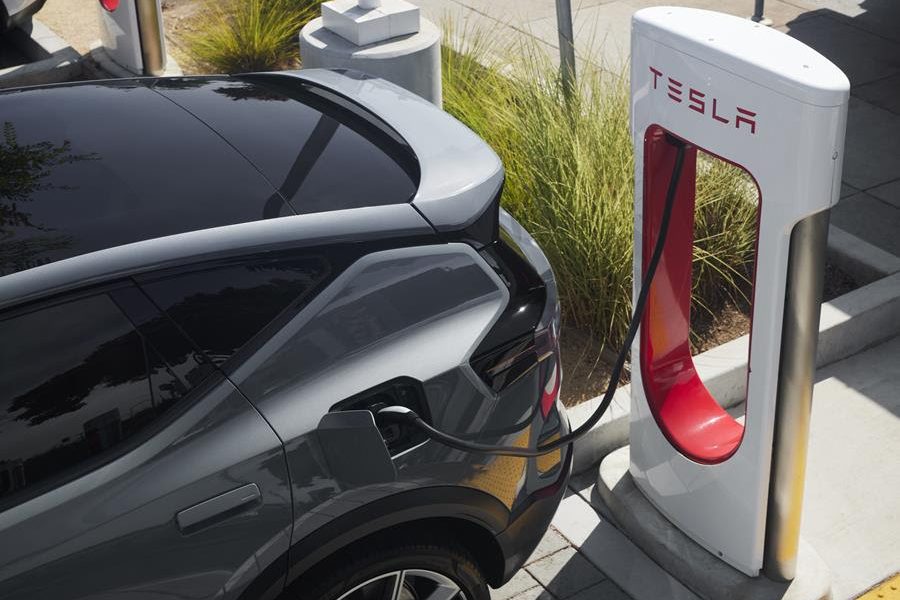
In a significant regulatory action poised to reshape the competitive landscape of the US EV market, Polestar, the Swedish electric performance car brand, will cease selling new vehicles in the United States starting with the 2027 model year. This move comes after the U.S. Department of Commerce denied the automaker authorization under the critical Connected Vehicle Rule, citing national security concerns.
The Connected Vehicle Rule, a federal directive, explicitly prohibits the sale of vehicles containing specific connected technologies—such as cellular, Wi-Fi, and Bluetooth—that are linked to entities in China or Russia. The core apprehension revolves around the potential for these technologies to facilitate data collection on American drivers, posing a direct threat to national security.
Understanding the Connected Vehicle Rule and Its Origins
The Connected Vehicle Rule represents a cornerstone of U.S. policy designed to safeguard critical infrastructure and sensitive data from foreign adversaries. Initially advanced under the prior administration and subsequently upheld and reinforced by the current one, this regulation underscores a bipartisan commitment to national security in the digital age.
Its primary objective is to mitigate risks associated with foreign ownership or control over technologies embedded in vehicles that could potentially transmit sensitive information. This encompasses various forms of vehicle-generated data, from geolocation and driving habits to personal communications and biometric information, all of which could be exploited.

The rule specifically targets components and software that enable connectivity, recognizing that modern vehicles are increasingly becoming sophisticated data-gathering platforms. By restricting vehicles from countries deemed high-risk, the U.S. aims to erect a robust digital perimeter around its citizens’ privacy and national interests.
Polestar’s Chinese Ownership and Inability to Comply
A key factor in the Department of Commerce’s decision lies in Polestar’s ownership structure. The company is majority-owned by China’s Geely Holding, a prominent automotive group with a vast portfolio of brands. This majority Chinese ownership places Polestar directly within the scope of the Connected Vehicle Rule’s restrictions.
Despite Polestar’s efforts, including producing some models domestically within the U.S., the company was unable to obtain the necessary exemption from the federal mandate. This highlights the strict interpretation and enforcement of the rule, prioritizing national security over individual manufacturer circumstances, even when partial domestic operations are involved.
Polestar confirmed that it will proceed with selling off any remaining inventory of its Polestar 3 and Polestar 4 models in the U.S. The company has also assured existing American customers that it will continue to provide full service and warranty support for their vehicles. However, no new models or major refreshes will be introduced to the US EV market.
In response to this significant setback, Polestar is strategically pivoting its growth efforts toward the European market. Europe already accounts for the vast majority of Polestar’s sales, making it a logical focus for the brand’s future expansion and investment strategies.
Impact on the US EV Market: A Shift in Competitive Dynamics
Polestar had strategically positioned itself as a direct premium EV competitor in the U.S., offering a stylish, performance-oriented alternative to Tesla’s established lineup. The Polestar 2, for instance, directly challenged Tesla’s popular Model 3, while the Polestar 3 and 4 were designed to target segments that overlapped with the Model Y and upcoming Tesla offerings.
The removal of Polestar from the new-vehicle playing field eliminates a notable contender in the premium and performance segments of the US EV market. This development is expected to significantly reduce competitive pressure on Tesla, which has invested billions in these high-value categories.
While Polestar’s U.S. sales had already been sluggish, representing just 6 percent of its global volume in the first quarter of 2026 amid intense competition and slower demand, its presence still contributed to the growing field of Tesla competitors. Its exit, therefore, disproportionately impacts the diversity of choices for American consumers seeking cutting-edge electric vehicles.
Tesla’s Strategic Advantage: Domestic Foundation and Vertical Integration
For Tesla, this regulatory outcome represents a substantial strategic tailwind. As a company founded and headquartered in the United States, with major manufacturing facilities in Fremont, Austin, and Nevada, Tesla faces none of the hurdles that Polestar encountered under the Connected Vehicle Rule.
Tesla’s vehicles are built with compliant domestic and allied supply chains, ensuring that its core technologies and components adhere to U.S. security standards. Furthermore, the company’s Full Self-Driving technology, over-the-air software updates, and vertically integrated ecosystem have been developed entirely in-house. This internal development negates any foreign ownership entanglements that would typically trigger national security reviews in the U.S.
It is worth noting that while Tesla enjoys this domestic advantage in the US EV market, it has faced similar scrutiny abroad. A few years prior, reports indicated that Tesla vehicles were banned among certain military personnel in China over security concerns, highlighting the global nature of these geopolitical technology tensions.
Broader Geopolitical Context: US-China Tech Rivalry and Trade Policy
The ban on Polestar is not an isolated incident but rather a component of a broader, concerted effort by the U.S. government to safeguard its domestic auto industry and critical technology sectors from potential Chinese influence. This strategy encompasses a range of measures designed to reshape the market in favor of domestic players.
High tariffs on Chinese-made electric vehicles, coupled with related import restrictions, have already been implemented to create trade barriers. These policies aim to level the playing field for American manufacturers and protect intellectual property, ensuring that the U.S. maintains a competitive edge in advanced automotive technologies.
Tesla directly benefits from this multifaceted approach. As a leading U.S.-based EV manufacturer, it inherently avoids these barriers, which restrict foreign competitors while simultaneously reinforcing its leadership position in U.S. EV sales volume, the expansion of its Supercharger network, and its advancements in energy storage integration.
Reinforcing Tesla’s Dominance in the US EV Market
The effective ban of Polestar from the US EV market is more than just regulatory relief for Tesla; it is a significant strategic reinforcement of its position. By clearing a premium competitor, the policy reduces competitive pressure in segments where Tesla has made substantial investments and innovation.
American consumers now have one fewer option tied to foreign adversaries when considering cutting-edge electric vehicles. This development solidifies a clearer path towards the market leader that has driven the electric vehicle transition from its inception.
Ultimately, this regulatory decision underscores the growing importance of domestic manufacturing and technological independence in the global automotive landscape. For Tesla, it serves as a powerful tailwind, affirming its role as America’s premier EV innovator at a critical juncture for the industry.
Frequently Asked Questions (FAQ)
What is the Connected Vehicle Rule?
The Connected Vehicle Rule is a U.S. federal regulation that prohibits vehicles containing certain connected technologies (cellular, Wi-Fi, Bluetooth, etc.) linked to countries like China or Russia. Its purpose is to prevent potential data collection on American drivers and safeguard national security by mitigating risks associated with foreign-controlled vehicle technologies.
Why was Polestar specifically targeted by this ban?
Polestar was targeted because it is majority-owned by China’s Geely Holding. The U.S. Department of Commerce determined that Polestar’s vehicles, due to this ownership, could pose national security risks under the Connected Vehicle Rule. This prevents the brand from selling new models in the U.S. starting from the 2027 model year.
How does this ban impact Polestar’s operations?
Polestar will cease selling new vehicles in the U.S. from the 2027 model year. It plans to sell off existing inventory of Polestar 3 and 4 models and will continue to provide service and warranty support for current customers. The company will now focus its growth strategy primarily on the European market, where it already has a stronger sales presence.
What are the implications for Tesla in the US EV market?
The ban is seen as a strategic advantage for Tesla. By removing a premium electric vehicle competitor, it reduces competitive pressure in key segments. As a U.S.-founded company with domestic manufacturing and in-house technology development, Tesla is unaffected by the Connected Vehicle Rule, further solidifying its dominant position in the American EV landscape.
Is this part of a broader U.S. policy?
Yes, the Connected Vehicle Rule and the Polestar ban are components of a broader U.S. strategy to protect its domestic auto industry and critical technology from foreign influence, particularly from China. This includes measures like high tariffs on Chinese-made EVs, aiming to enhance national security and economic competitiveness.