
Key Takeaways:
- The electric bicycle and broader e-mobility market is experiencing significant growth, with U.S. e-bike sales reaching nearly $1.8 billion in 2024.
- Rising car ownership costs and evolving urban infrastructure are positioning electric cargo bikes as viable alternatives for daily transportation.
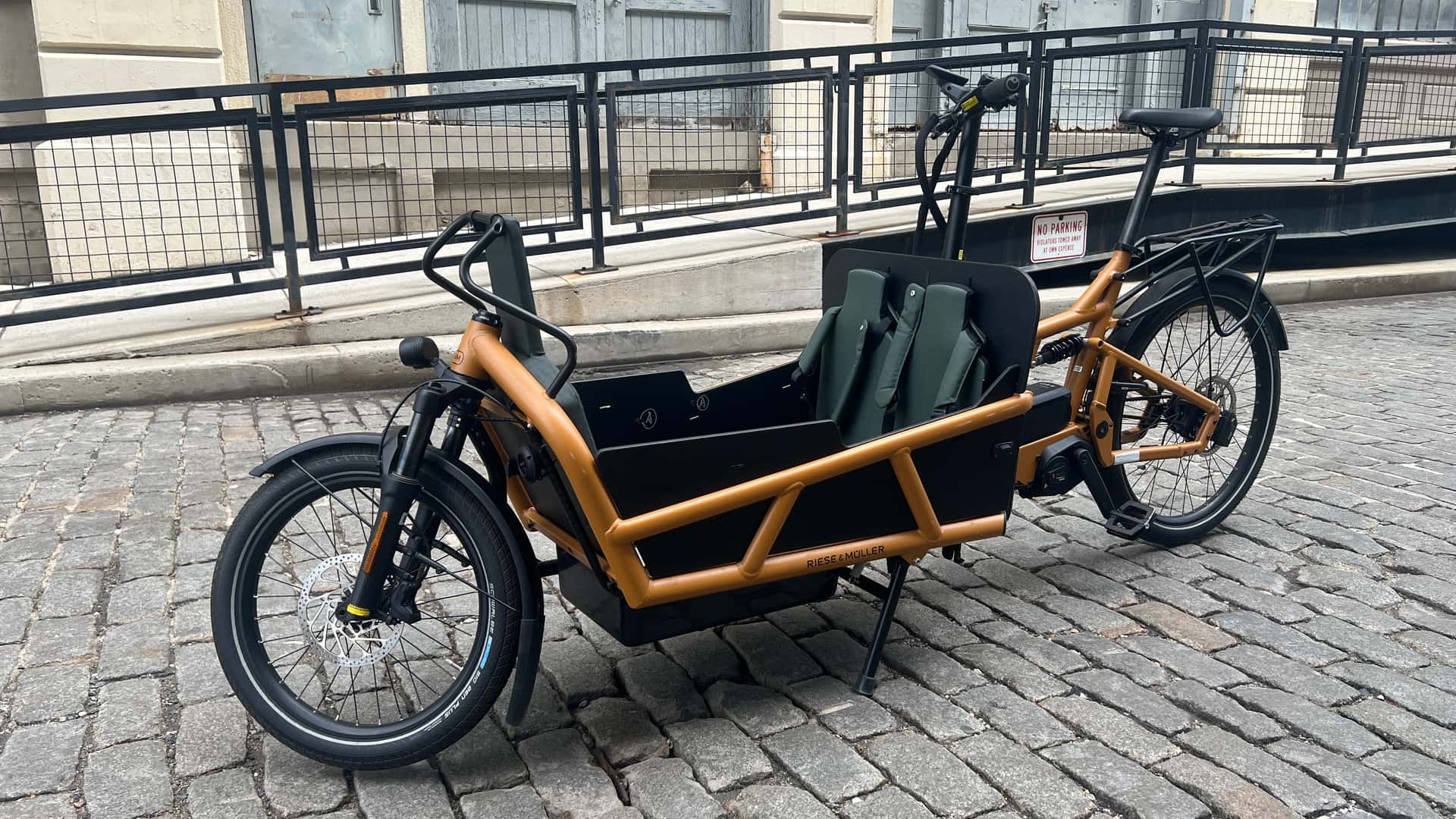
- InsideEVs is expanding its rigorous testing methodology to evaluate e-mobility solutions, starting with the high-end Riese & Müller Load4 75 Rohloff HS.
- This premium German-engineered electric cargo bike, priced at $14,419, features full suspension, a 14-speed Rohloff hub, belt drive, dual batteries providing 1.45 kWh, and a real-world range of approximately 80 miles.
- Initial assessments highlight exceptional comfort, stability, and handling, even when fully loaded, effectively mitigating concerns about its extended dimensions.
The landscape of personal transportation is undergoing a profound transformation, with electric bicycles and other e-mobility devices rapidly gaining traction across the globe and particularly within the United States. This surge reflects a growing desire for sustainable, efficient, and cost-effective alternatives to traditional automobiles, especially in increasingly dense urban environments.
Recent data from PeopleForBikes underscores this shift, reporting that U.S. sales of electric bicycles alone neared $1.8 billion in 2024. When factoring in e-scooters and other emerging micromobility solutions, the market’s overall valuation is substantially higher, indicating a robust and expanding sector.
The Surging Tide of E-Mobility in the US
The rapid adoption of electric bicycles and related e-mobility solutions is not merely a passing trend; it is a response to multifaceted challenges in modern urban living. Cities and their surrounding suburbs are actively investing in improved cycling infrastructure, a strategic move designed to alleviate traffic congestion, enhance road safety for all users, and promote healthier commuting options.
This push towards alternatives for urban and local transportation is compelling, especially as the financial burden of car ownership continues to escalate. The ancillary expenses associated with automobiles have ballooned, with data revealing that nearly one in five new car buyers faces a monthly car payment of $1,000, even before accounting for fuel or insurance costs.
The Economic Imperative for Alternatives
Further exacerbating the cost of conventional vehicles are impending economic factors, such as the 25% tariffs on imported cars and parts scheduled to take effect on April 2. This development suggests that affordability issues in the automotive market are unlikely to improve in the near future.
Consequently, the prospect of an electric cargo bike serving as a second-car replacement has become an increasingly attractive proposition for numerous families seeking to manage household budgets more effectively while maintaining transportation flexibility. Even major players like Rivian are acknowledging this shift, entering the fray with their micromobility subsidiary, named Also.
InsideEVs Expands Review Horizon
As a leading publication dedicated to the future of transportation, InsideEVs recognizes that getting around in the modern era extends far beyond conventional automobiles. Our mandate is to provide comprehensive, unbiased insights into all facets of personal mobility, ensuring our readership is well-informed about the innovations shaping their commutes.
In line with this commitment, we are expanding our rigorous testing methodology and unwavering journalistic honesty to encompass the burgeoning world of electric mobility. Our objective remains clear: to meticulously evaluate these products, helping consumers discern which offerings represent genuine value and which fall short of expectations in this dynamic market.
Spotlight on German Engineering: The Riese & Müller Load4 75
Our inaugural, in-depth evaluation in the electric cargo bike segment begins with a formidable contender: the Riese & Müller Load4 75 Rohloff HS. This particular model, provided to our review team by Propel Bikes, represents a pinnacle of engineering within the high-end electric cargo bike market.
Riese & Müller, a German bicycle company with a 32-year legacy, has been at the forefront of crafting high-quality e-bikes since 2009. Their reputation for precision engineering and innovative design precedes them, making their products highly anticipated in the e-mobility community.
Unpacking the Specifications and Features
The ‘Load4′ designation signifies that this is the fourth generation of the company’s celebrated front-loader cargo bike line, a testament to continuous refinement and technological advancement. The ’75’ in its name denotes the generous 75-centimeter length of its integrated cargo basket, highlighting its substantial carrying capacity.
Further enhancing its premium status is the integration of components from Rohloff, another esteemed German firm. This electric cargo bike features Rohloff’s renowned 14-speed internally-geared bicycle hub, which is paired with a durable belt drive system instead of a traditional chain. This configuration is lauded for its exceptional reliability and minimal maintenance requirements.
The ‘HS’ suffix indicates its ‘High Speed’ capabilities. This pedal-assisted electric cargo bike is engineered to achieve speeds of up to 28 miles per hour, supported by a powerful Turbo e-assist mode. Such performance attributes make it an efficient choice for diverse urban and suburban travel needs, from swift commutes to substantial hauling tasks.
A Premium Proposition: Cost vs. Capability
The Riese & Müller Load4 75, as-tested, carries a significant price tag of $14,419. While this figure naturally warrants careful consideration, it positions the model firmly at the very top, lifestyle end of the electric cargo bike market. This premium pricing reflects its advanced engineering, robust feature set, and high-performance components.
The investment is justified by an array of high-end specifications designed for ultimate utility and comfort. This electric cargo bike boasts a full suspension system, engineered to provide a remarkably smooth and controlled ride across varied terrains. Powering its extended range capabilities are dual batteries offering a combined 1.45 kWh, delivering approximately 80 miles of real-world range on a single charge.
These features collectively position the Load4 75 as a ‘go-anywhere adventure machine’ that offers car-like levels of cargo-carrying ability. Given its robust construction, advanced features, and the cost comparisons to owning a used car, its value proposition as a primary or secondary family vehicle becomes clearer for those prioritizing efficient, sustainable urban transportation.
(Full disclosure: The InsideEVs review team received the Load4 for a few days for this review, courtesy of the team at e-bike dealer Propel Bikes.)
Rigorous Real-World Testing Underway
To thoroughly assess the capabilities of this sophisticated electric cargo bike, the InsideEVs review team will subject the Riese & Müller Load4 75 to a comprehensive array of real-world challenges over the coming weeks. Our testing protocol is designed to simulate the diverse demands of daily urban and suburban life, providing invaluable insights for potential owners.
Planned evaluations include practical errands such as trips to high-volume retailers like Costco and local garden centers, assessing its capacity and maneuverability with various loads. Furthermore, the bike will be used for a 20-mile round-trip commute across multiple boroughs, testing its long-distance comfort and efficiency. A unique ‘bike bus’ school drop-off scenario will also be undertaken, examining its suitability for family logistics and community transport initiatives.
Initial Impressions: Handling and Comfort
Upon initial assessment, the Riese & Müller Load4 75 immediately distinguishes itself with its exceptional comfort and remarkable stability, whether ridden unloaded or with a significant cargo payload. Concerns regarding the handling of a five-foot cargo box extending ahead of the handlebars proved largely unfounded, as the testing rider quickly adapted to the bike’s unique dimensions and impressive cornering prowess.
The integrated full suspension system plays a crucial role in delivering a consistently plush ride. This advanced suspension effectively absorbs the shocks and vibrations from challenging urban surfaces, including New York’s notorious potholes and uneven cobblestones, significantly enhancing rider comfort and confidence.
The only scenario where the electric cargo bike’s extended footprint becomes noticeably prominent is when navigating confined spaces, such as the narrow hallways typically found in apartment buildings. However, for most urban and suburban environments, its design facilitates surprisingly agile and secure navigation, further solidifying its appeal as a versatile e-mobility solution.
The Future of Urban Commuting: Beyond the Car
The emergence of high-performance electric cargo bikes like the Riese & Müller Load4 75 signals a pivotal moment in the evolution of urban transportation. These vehicles are not merely recreational items; they are increasingly becoming integral components of family logistics and sustainable city planning. Their ability to carry substantial loads, combined with the convenience of electric assistance, makes them a practical alternative to a second car for many households.
As cities continue to grapple with issues of congestion, pollution, and the high cost of living, micromobility solutions offer a compelling path forward. The rigorous evaluations conducted by InsideEVs aim to provide clarity and confidence to consumers navigating these new choices, helping them invest wisely in their personal and communal transportation future.
Community Engagement: Shaping Future E-Mobility Reviews
As InsideEVs continues to expand its dedicated coverage of the e-bike and broader micromobility market, we highly value the insights and queries from our readership. Your questions and priorities are instrumental in shaping our review process and ensuring that our content remains relevant and impactful.
We invite you to engage with our team. What specific aspects of the Riese & Müller Load4 75 are most intriguing to you? What types of data, scenarios, or comparisons would you like to see integrated into our future electric mobility reviews? Your input helps us refine our approach and deliver the most comprehensive and useful evaluations possible.
Frequently Asked Questions (FAQ)
Q1: What defines a high-end electric cargo bike like the Riese & Müller Load4 75?
A1: High-end electric cargo bikes typically feature premium components such as full suspension, advanced motor systems, large battery capacities for extended range, and robust cargo solutions. They often incorporate specialized gear systems like the Rohloff hub and belt drives for durability and minimal maintenance, reflecting superior German engineering and a higher price point.
Q2: How much does the Riese & Müller Load4 75 Rohloff HS cost, and what justifies its price?
A2: The Riese & Müller Load4 75 Rohloff HS is priced at $14,419 as-tested. Its cost is justified by sophisticated features including full suspension, a 14-speed Rohloff internally-geared hub, a low-maintenance belt drive, dual 1.45 kWh batteries for approximately 80 miles of range, a powerful Bosch motor, and a durable, car-like cargo capacity.
Q3: What makes the Rohloff hub and belt drive system advantageous for an electric cargo bike?
A3: The Rohloff 14-speed internally-geared hub offers a wide gear range and precise shifting, crucial for handling varying loads and terrains. When combined with a belt drive, it provides exceptional durability, eliminates chain grease, and significantly reduces maintenance compared to traditional chain-and-derailleur systems, which is ideal for a daily utility vehicle.
Q4: What real-world scenarios will InsideEVs test the Riese & Müller Load4 75 in?
A4: InsideEVs will conduct comprehensive real-world tests including substantial cargo hauls for grocery and garden center trips, a 20-mile round-trip urban commute across multiple boroughs, and practical family use such as school drop-offs via a ‘bike bus’ scenario. These tests aim to evaluate its performance and utility in diverse daily situations.
Q5: How does an electric cargo bike address the rising costs of car ownership?
A5: An electric cargo bike offers a compelling alternative to car ownership by significantly reducing fuel, insurance, maintenance, and parking expenses. With new car payments often exceeding $1,000 monthly, an electric cargo bike can serve as a primary or secondary family vehicle, providing a cost-effective and environmentally friendly transportation solution, especially for urban and local trips.
Q6: What is the typical range of the Riese & Müller Load4 75, and how is it powered?
A6: The Riese & Müller Load4 75 is equipped with dual batteries totaling 1.45 kWh, which provide an impressive real-world range of approximately 80 miles. This extensive range, combined with its high-speed pedal assist (up to 28 mph) and Turbo e-assist mode, makes it suitable for long commutes and extensive cargo trips without frequent recharging.