
Key Takeaways
- The Tesla Model Y has undergone numerous subtle yet significant changes across its model years, making the choice of which year to buy less straightforward than it appears.
- Early models (2020) featured premium interiors and specific window configurations, while later versions introduced range improvements, updated console designs, and crucial hardware upgrades.
- Key considerations for buyers include charging performance, interior amenities like heated steering wheels and passenger lumbar support, and the inclusion of advanced hardware for Full Self-Driving (FSD) capabilities.
- The 2023 Tesla Model Y introduced Hardware 4, a prerequisite for the latest FSD iterations, and a software-locked Standard Range option offering potential value for those willing to unlock additional range.
- Anticipated future updates, such as the 2026 “Juniper” refresh, promise significant design and feature overhauls, further diversifying the landscape for prospective owners.
The Tesla Model Y, a dominant force in the electric SUV segment, has consistently evolved since its debut. While a major overhaul, often referred to as the “Juniper” refresh, was highly anticipated and materialized in some form last year, the journey of this electric crossover has been marked by a surprising array of subtle yet impactful modifications. These iterative improvements, often rolled out mid-year or even month-to-month, mean that understanding the nuances of each model year is crucial for prospective buyers.
For those considering a Tesla Model Y, the decision of which year to purchase extends beyond typical refresh cycles. Each iteration brings a distinct set of features and characteristics, influencing everything from driver comfort to charging efficiency and potential for future software upgrades. This comprehensive guide aims to delineate these critical distinctions, drawing insights from expert analyses to aid in an informed buying decision.

The Evolving Landscape of the Tesla Model Y
Tesla’s approach to vehicle updates differs from conventional automotive manufacturers, frequently introducing enhancements outside of traditional model year changes. This dynamic strategy means that even within a single production year, significant variations can exist. Understanding these shifts is paramount for anyone navigating the pre-owned Tesla Model Y market or considering a new purchase.
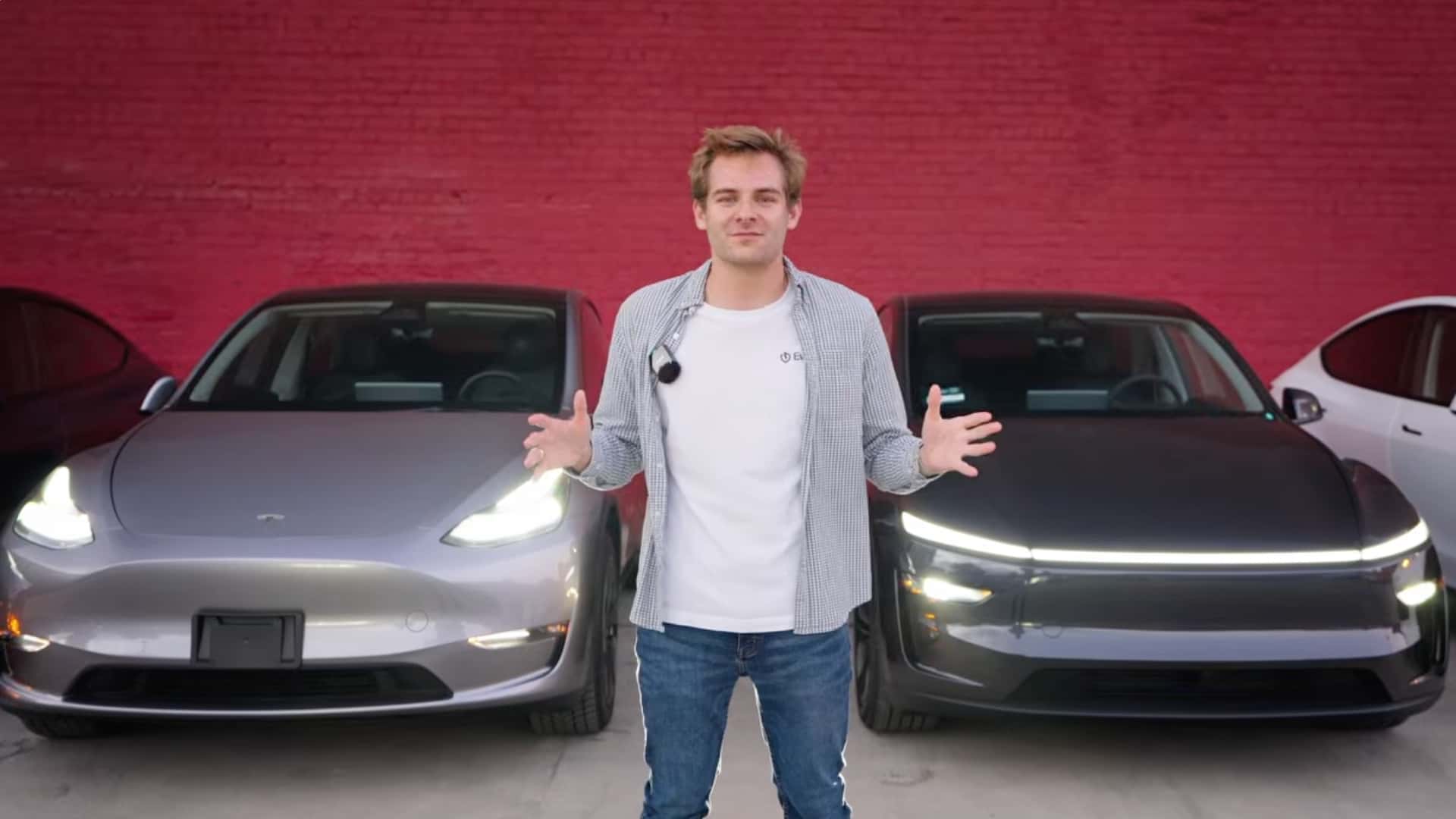
Andrew Lambrecht, a longtime InsideEVs contributor and certified EV enthusiast, meticulously cataloged these changes in a recent video on the Ever YouTube channel. His detailed breakdown reveals the depth of Tesla’s continuous refinement process, offering invaluable perspectives for potential Model Y owners. From interior design elements to critical performance metrics like range and charging speeds, every year presents a slightly different proposition.
Defining the 2020 Tesla Model Y Experience
The inaugural 2020 Tesla Model Y vehicles set a high standard, largely equipped with what Tesla termed the “premium interior.” This package significantly enhanced the cabin experience, providing a luxurious foundation for early adopters. A key feature included heated seats for both the front and rear rows, a considerable comfort advantage for passengers, particularly in colder climates.

Furthermore, the 2020 models boasted a sophisticated 15-speaker sound system, delivering an immersive audio experience. However, these early builds also presented specific design characteristics. They notably lacked a heated steering wheel, a feature that would become standard in later iterations, and often featured a glossy black plastic finish on the center console. This material, while initially sleek, was prone to fingerprints and scratches. An interesting production variance involved window construction, with early 2020 builds featuring single-pane windows, while later units transitioned to more acoustically refined dual-pane windows, improving cabin quietness and overall build quality.
Innovations in the 2021 Model Year
The 2021 Tesla Model Y marked a period of notable advancements, particularly concerning range and interior ergonomics. This year saw an increase in the vehicle’s overall range, enhancing its practicality for longer journeys and reducing range anxiety for many users. A short-lived Standard Range version was also introduced, available for only approximately one month, making it a relatively rare variant in the Model Y lineup.
Inside the cabin, the 2021 Model Y received an updated matte finish for the center console, addressing the aesthetic and maintenance concerns associated with the glossy black plastic of previous models. Crucially, a heated steering wheel was integrated, offering a significant comfort upgrade for drivers. However, this year also saw some feature rationalization, with later builds losing passenger lumbar support. For individuals or families prioritising adjustable seating comfort for the front passenger, this specific detail becomes a critical consideration when evaluating a pre-owned 2021 Tesla Model Y.
Performance and Comfort Upgrades in 2022
The 2022 Tesla Model Y introduced significant powertrain and comfort enhancements, diversifying its appeal. This year saw the launch of the Standard Range All-Wheel Drive (AWD) variant, notably equipped with the much-anticipated 4680 battery cells. While the introduction of these next-generation cells garnered considerable attention for their potential, their initial implementation presented some challenges.
As highlighted by Andrew Lambrecht and other EV analysts, the 2022 Standard Range AWD, despite its advanced battery chemistry, exhibited unusually slow charging speeds for a Tesla. This particular variant often saw its charging rate dip below 100 kW after reaching approximately a 30% state of charge, impacting charging stops on longer trips. Beyond powertrain specifics, the 2022 models also received interior refinements, including the addition of wood trim on the door cards, elevating the cabin’s perceived luxury. Furthermore, manual backup releases for the rear doors were introduced, enhancing safety and accessibility. Some 2022 builds also benefited from a new “comfort suspension” system, a welcome improvement for many who had found previous Model Y iterations to have an overly stiff ride.
Key Advancements of the 2023 Tesla Model Y
The 2023 Tesla Model Y marked a pivotal year, primarily due to the integration of Hardware 4 (HW4). This advanced computing platform is essential for running the latest versions of Tesla’s Full Self-Driving (FSD) beta software, offering enhanced processing power for camera-based autonomous driving systems. For buyers keen on future-proofing their vehicle for advanced driver-assistance features, securing a 2023 Model Y with HW4 is a significant advantage.
Another notable development in 2023 was the introduction of a Standard Range option that, intriguingly, shared the same battery pack as the longer-range variants. The difference lay in a software lock, limiting the accessible range. Tesla offered an option for owners to pay a fee to unlock up to an additional 50 miles of range, effectively transforming these vehicles into a potentially undervalued proposition. This software-locked battery model could represent a compelling “sleeper deal” for astute buyers seeking extended range without the initial higher price tag.
Subtle Refinements of the 2024 and 2025 Model Years
While the period between major refreshes often sees fewer dramatic changes, the 2024 and 2025 Tesla Model Y iterations continued the trend of incremental improvements. These years typically featured a series of small, unannounced updates, focusing on optimizing existing features and addressing minor user feedback. These often include software enhancements, slight adjustments to interior materials, and potentially minor aerodynamic or efficiency tweaks that contribute to a more polished driving experience.
Such iterative refinements, though not as headline-grabbing as a full overhaul, are a hallmark of Tesla’s continuous development philosophy. They ensure that even without a complete redesign, the Tesla Model Y remains competitive in terms of technology and user interface, reflecting ongoing improvements in battery management, infotainment, and driver-assistance functionalities through over-the-air updates.
Anticipating the 2026 “Juniper” Refresh
Looking ahead, the 2026 model year is poised to deliver a significant transformation for the Tesla Model Y with the anticipated “Juniper” refresh. This overhaul is expected to bring comprehensive design and engineering updates, fundamentally altering the vehicle’s aesthetic and potentially its performance characteristics. Key visual changes are slated to include new front and rear fascias, incorporating modern light bars that align with Tesla’s evolving design language, first seen on the refreshed Model 3.
Beyond cosmetic enhancements, the “Juniper” refresh is expected to adopt dual-pane windows all around, further improving cabin acoustics and overall ride comfort. While specific details of the “whole slew of changes” remain under wraps, a major refresh typically encompasses advancements in battery technology, interior layout, infotainment systems, and potentially new manufacturing processes. This forthcoming Model Y iteration is likely to set new benchmarks for the electric crossover, influencing both new and pre-owned market dynamics.
Making an Informed Decision
The journey of the Tesla Model Y from its 2020 introduction to the anticipated 2026 “Juniper” refresh highlights a continuous evolution rather than static model years. Each iteration offers a unique blend of features, from the premium interiors of early models to the Hardware 4 integration of more recent versions and the promise of a significant overhaul. Prospective buyers are encouraged to consider their priorities—whether it’s the earliest access to premium features, specific charging performance, or future-proofed autonomous driving hardware—when evaluating which Tesla Model Y best suits their needs.
Understanding these subtle shifts, often detailed by expert analyses and community insights, empowers buyers to make a strategic choice in the competitive electric vehicle market. The optimal Tesla Model Y model year is not universally obvious; instead, it depends entirely on individual preferences, budget, and the desired balance of features, performance, and technological readiness.
Frequently Asked Questions (FAQ)
- Which Tesla Model Y year is considered the “best”?
- There isn’t a single “best” year, as it depends on individual priorities. Early models (2020) offered premium interiors, while later years (2023 onwards) boast advanced hardware like HW4 for FSD. Buyers should align model year features with their specific needs for comfort, technology, and budget.
- What significant interior changes occurred over the Tesla Model Y years?
- Interior changes include the transition from glossy black to matte center consoles (2021), the addition of a heated steering wheel (2021), loss of passenger lumbar support in some 2021 builds, and wood trim on door cards (2022). These changes impacted aesthetics and passenger comfort.
- How did the Tesla Model Y’s range and battery technology evolve?
- The 2021 Model Y saw increased range, and 2022 introduced the Standard Range AWD with 4680 cells, though initial charging speeds were noted as slower. The 2023 Model Y featured a software-locked Standard Range battery, offering an option to unlock additional mileage, showcasing Tesla’s innovative battery management.
- What is the importance of Hardware 4 (HW4) in the Tesla Model Y?
- Hardware 4, introduced in the 2023 Tesla Model Y, is crucial for those interested in the latest iterations of Full Self-Driving (FSD) capabilities. It provides the necessary computing power for enhanced sensor processing, making 2023 models and newer more future-proof for advanced autonomous features.
- What is known about the upcoming “Juniper” refresh for the Tesla Model Y?
- The “Juniper” refresh, expected for the 2026 Tesla Model Y, is anticipated to be a comprehensive overhaul. It includes new front and rear designs with distinctive light bars, dual-pane windows throughout the cabin for improved quietness, and a general “slew of changes” encompassing technology, interior, and potential performance updates.
- Are there any specific issues to be aware of with certain Tesla Model Y years?
- Early 2020 models had glossy black center consoles prone to marks. The 2022 Standard Range AWD with 4680 cells was noted for unusually slow charging speeds after 30% state of charge. Some 2021 models lost passenger lumbar support. Awareness of these specific traits helps in evaluating pre-owned vehicles.
- Does the Tesla Model Y’s ride quality vary by year?
- Yes, ride quality saw improvements with the introduction of a “comfort suspension” in some later 2022 models. Earlier Model Y iterations were often criticised for a stiffer ride. This upgrade aimed to enhance passenger comfort and overall driving experience, a notable consideration for buyers.