
Key Takeaways:
- Toyota Chairman Akio Toyoda openly admitted his apprehension about the automotive industry’s complete shift to Battery Electric Vehicles (BEVs), stating it’s his ‘biggest fear.’
- Toyoda voiced a personal preference for internal combustion engines, citing a love for their smell and sound, and a desire to preserve jobs for engine suppliers.
- This stance contrasts sharply with the broader industry consensus among major global automakers, who largely view an all-electric future as inevitable.
- Critics, including advocacy group Public Citizen, have linked Toyoda’s leadership to Toyota’s perceived slow adoption of advanced EV technology and its lobbying efforts.
- The chairman’s comments emerge ahead of a crucial shareholder meeting, where his re-appointment and the company’s future electrification strategy will be deliberated.
Chairman’s Candid Admission on EV Future
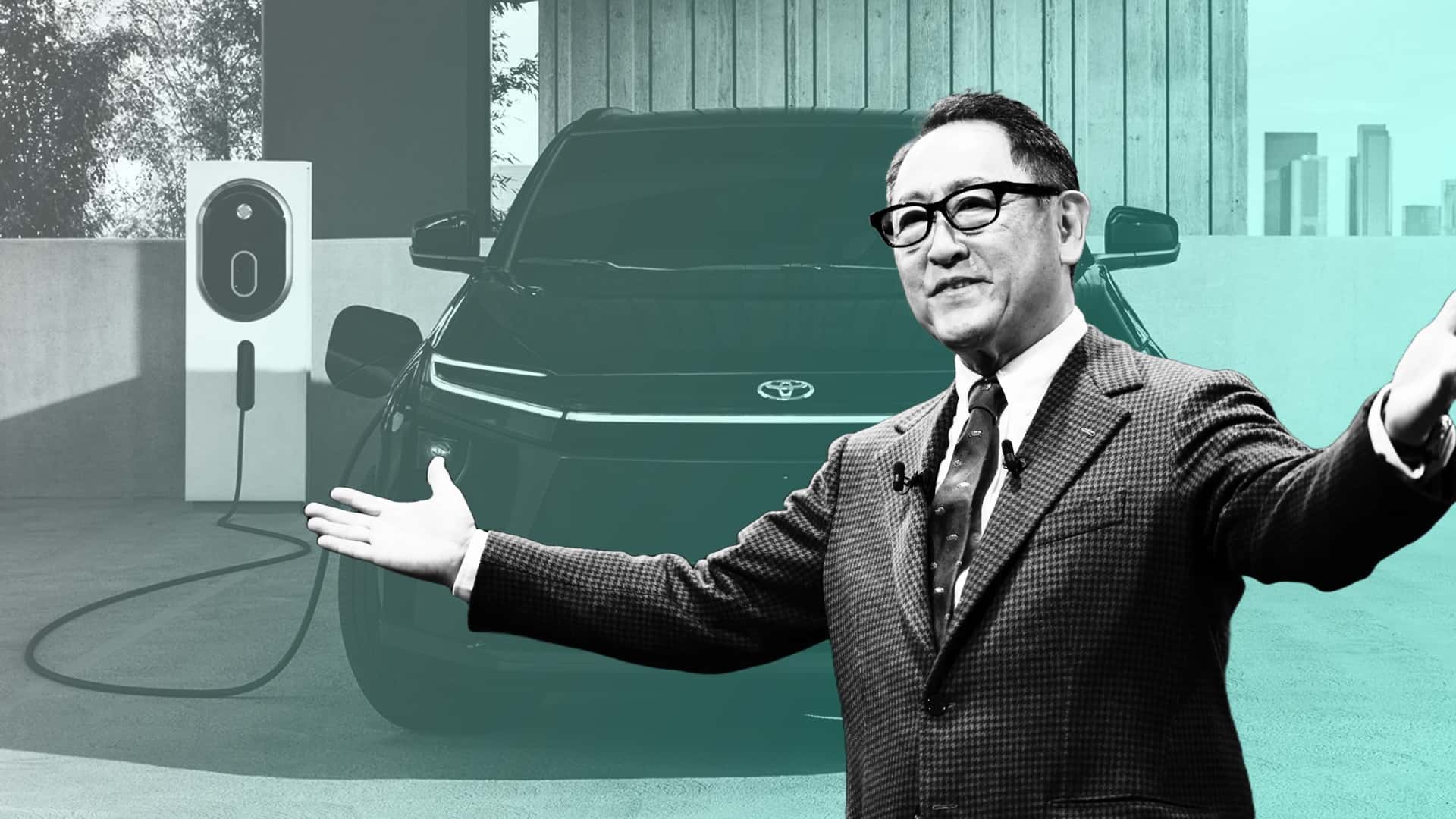
In a recent interview with Carwow, Toyota Chairman Akio Toyoda made a striking admission regarding the future trajectory of the global automotive industry. He articulated his profound concern over the industry’s widespread pivot towards purely Battery Electric Vehicles (BEVs), labelling it as his “biggest fear.” This candid disclosure from the grandson of Toyota’s founder offers a rare glimpse into the personal sentiments of one of the most influential figures in the automotive world.
Toyoda elaborated on his perspective, revealing a deep-seated affection for traditional automotive elements. “Everybody is shifting to BEVs, this is the biggest fear for me,” he told Carwow. He added, “Three or four years ago, I was the only one to say to the media that I love smell, I love sound and I love engines, and I want to keep the jobs for engine suppliers.” He concluded, expressing a sense of isolation in his views: “But it seems to me that I’m the only one. I feel very alone.”
This statement underscores a significant philosophical divergence within the upper echelons of the automotive sector, particularly regarding the pace and scope of the electric vehicle transition. While Toyota has committed to addressing the climate crisis, Toyoda’s personal preference for conventional engines introduces complexity into the perception of the company’s long-term environmental strategy.
Toyota’s Electrification Strategy Under Scrutiny
Toyota, a global automotive giant, has been perceived by many as a laggard in the electric vehicle (EV) race, despite its pioneering role in hybrid technology. The company has recently introduced a few new electric models, including the C-HR, bZ Woodland, and bZ, yet these offerings have faced criticism for lacking essential modern EV functionalities, such as advanced route-planning capabilities common in competitor models.
The perceived slow adoption of comprehensive EV technology by Toyota, especially during Toyoda’s tenure as CEO, has raised questions among industry observers and advocacy groups. Many point to the chairman’s apparent personal reservations about an all-electric future as a potential factor influencing the company’s cautious approach to its electric vehicle transition.
Industry Trends vs. Individual Stance
Akio Toyoda’s sentiments stand in stark contrast to the prevailing consensus among executives at other major American, German, Japanese, and Korean automotive brands. Extensive interviews with leaders across the industry frequently reveal a collective conviction that the future of mobility is overwhelmingly electric. While the timeline for this transformation may vary among companies, and some express a desire to continue producing performance-oriented internal combustion engine vehicles, few articulate an outright “fear” of the shift to EVs.
This isolation of Toyoda’s viewpoint raises pertinent questions about how a leading global automaker navigates the complex demands of technological evolution, environmental stewardship, and shareholder expectations when its top leadership holds such distinct personal reservations. The tension between an individual’s preference and a company’s strategic imperative in the electric vehicle market remains a significant point of discussion.
Activist Scrutiny and Corporate Governance
Advocacy groups have closely monitored Toyota’s approach to the electric vehicle transition. Public Citizen, a prominent advocacy organisation, has been particularly vocal in its critique of the company’s strategy and leadership. Adam Zuckerman, a Clean Vehicles Campaigner at Public Citizen, highlighted the potential risks associated with Toyoda’s stance.
“I thought it was shocking that he’s admitting that he may be risking the future of his grandfather’s company because he likes the smell of gasoline and engines that go ‘vroom, vroom,’” Zuckerman stated. He further suggested that such an admission should prompt scrutiny from investors, questioning its implications for a decision of such magnitude. Public Citizen’s research also indicates that Toyota was the leading automotive brand in contributions to “climate-denying members of Congress” between 2020 and 2024, an issue the group plans to highlight through public demonstrations.
Moreover, Toyoda himself has drawn attention for past public appearances that indicated political sympathies aligned with figures who have expressed skepticism about climate action. His past appearance at a Japanese NASCAR showcase event in November 2025 in full “TRUMP/VANCE 2024” regalia further solidified perceptions of his political leanings concerning environmental policies.
The “Multi-Pathway” Dilemma
Toyota’s official corporate communication often champions a “multi-pathway” approach to electrification. This strategy suggests that the company aims to meet diverse consumer needs by offering a range of options, including hybrids, plug-in hybrids, fuel-cell vehicles, and battery electric vehicles, rather than solely committing to a fully electric future. The company often cites its robust hybrid sales, with hybrid and electric models collectively accounting for 47% of Toyota and Lexus sales last year, as evidence of this balanced approach.
However, this articulated strategy often faces skepticism when juxtaposed with Akio Toyoda’s personal remarks and the practical limitations observed in some of Toyota’s electric offerings. For instance, the Lexus RZ 550e has been noted for lacking competitive range and advanced route-planning, while controversially featuring the ability to “shift” fake gears. Such product choices, combined with concerns over lobbying efforts and previously disseminated misinformation about EV emissions, create a complex narrative around Toyota’s genuine commitment to a rapid and comprehensive electric vehicle transition.
Toyoda’s personal belief, expressed to Carwow, that “If I have to make only carbon neutral cars, it’s not exciting,” underscores a perceived conflict between personal passion for traditional vehicles and the pressing global imperative for carbon neutrality. This philosophical divide at the helm of a major automaker highlights the ongoing challenges in reconciling heritage and innovation with environmental responsibility in the automotive industry.
Looking Ahead: Shareholder Meeting Implications
These recent comments from Akio Toyoda arrive just weeks before Toyota’s annual shareholder meeting, an event of critical importance for the company’s executive leadership and strategic direction. During this meeting, shareholders will cast votes on the company’s executive positions, including the re-appointment of Toyoda as chairman and the confirmation of the recently appointed CEO, Kenta Kon.
The process is not a mere formality. Toyoda’s previous departure from the CEO role in 2023 was largely attributed to investor dissatisfaction with his perceived overly cautious and slow approach to electric vehicles. Since then, the company has reportedly intensified efforts to accelerate its EV development, launching five new electric models across its Lexus and Toyota brands this year.
Despite transitioning to chairman, Toyoda has maintained a significant public profile and influence, leading some to describe him as a “shadow CEO.” Adam Zuckerman noted that Toyoda “is still publicly trying to put his stamp on the company, and it looks like another arm of their private lobbying efforts that are looking in the U.S. and around the world to roll back all of our climate standards.” His recent statements are thus seen as potentially influencing shareholder sentiment and signaling continued resistance to a swift and comprehensive electric vehicle transition, even as the company strives to adapt to evolving market demands and climate imperatives.
FAQ Section
What did Akio Toyoda say about the electric future?
Toyota Chairman Akio Toyoda admitted that the industry’s shift to Battery Electric Vehicles (BEVs) is his “biggest fear.” He expressed a personal preference for the smell, sound, and engines of traditional cars, and a desire to protect jobs for engine suppliers, feeling isolated in this view among industry leaders.
How does Toyoda’s view align with Toyota’s official strategy?
While Toyota officially promotes a “multi-pathway” approach to electrification, including hybrids, Toyoda’s personal comments suggest a deeper reservation about a fully electric future. This creates tension between his public statements and the company’s stated commitment to carbon neutrality and EV development.
What criticisms have been raised against Toyota’s EV development?
Critics point to Toyota’s perceived slowness in introducing compelling electric models, with some current offerings lacking advanced features like route-planning capabilities. There are also concerns about the “half-assed nature” of some electric vehicles and the company’s lobbying efforts.
What is Public Citizen’s stance on Toyota’s actions?
Public Citizen has criticised Akio Toyoda’s leadership, suggesting his personal preferences might risk the company’s future. The advocacy group also highlighted Toyota’s significant financial contributions to “climate-denying members of Congress” between 2020 and 2024, framing it as an ideological opposition to climate action.
How might Toyoda’s comments impact the upcoming shareholder meeting?
Toyoda’s candid remarks come ahead of a crucial shareholder meeting where his re-appointment as chairman will be voted upon. Given that he was previously pushed out as CEO due to his cautious EV approach, these statements could potentially influence investor decisions regarding the company’s leadership and future electrification strategy.
What is the “multi-pathway” approach that Toyota advocates?
Toyota’s “multi-pathway” approach involves offering a diverse range of vehicles—including traditional hybrids, plug-in hybrids, fuel-cell vehicles, and battery electric vehicles—to meet various consumer demands and market conditions. This strategy aims to achieve carbon neutrality through multiple technologies rather than an exclusive focus on BEVs.
What are the implications of Toyoda’s continued influence as chairman?
Despite no longer being CEO, Akio Toyoda’s significant public presence and willingness to give interviews suggest a continued, powerful influence over Toyota’s direction. Critics describe him as a “shadow CEO” whose views may still shape corporate strategy and potentially hinder a more rapid and aggressive electric vehicle transition.