
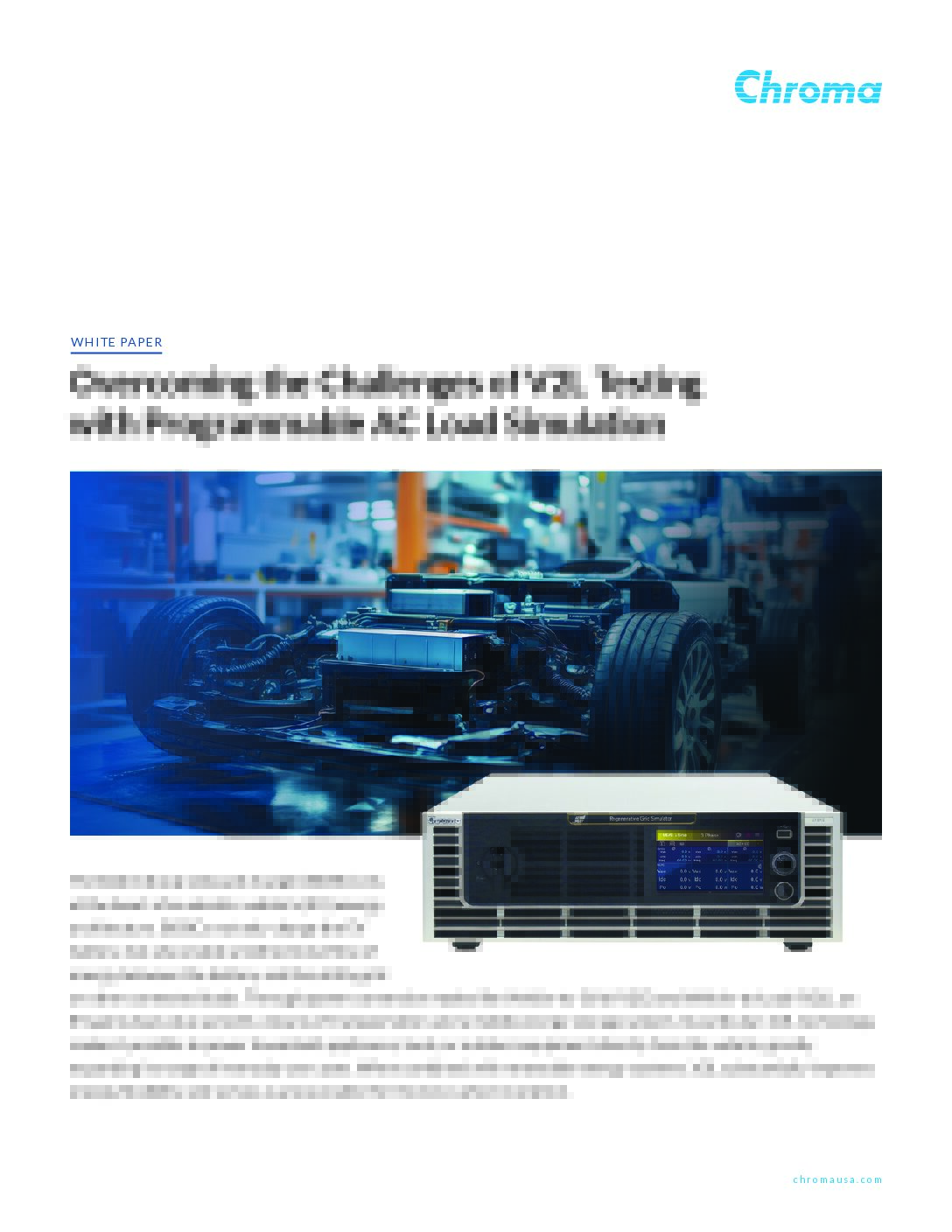
Electric vehicles (EVs) are rapidly redefining personal mobility, evolving from mere transportation devices into sophisticated energy hubs. At the core of this transformation lies the bidirectional onboard charger (BOBC), a pivotal component enabling not just efficient battery charging but also a dynamic, two-way flow of energy. This capability underpins Vehicle-to-Grid (V2G) and, more immediately for consumers, Vehicle-to-Load (V2L) functionalities, turning EVs into mobile energy storage systems.
V2L technology, in particular, offers significant practical utility, allowing EVs to power a range of external devices, from household appliances to essential tools or outdoor equipment. This functionality drastically expands an EV’s everyday relevance and serves as a crucial enabler for enhancing energy flexibility, especially when integrated with renewable energy sources, thereby supporting the broader low-carbon transition.

Key Takeaways
- The bidirectional onboard charger (BOBC) transforms EVs into mobile energy storage systems, enabling two-way power flow via V2G and V2L technologies.
- V2L technology allows EVs to power external devices, significantly expanding their utility and supporting energy flexibility, especially with renewables.
- Rigorous testing of EV V2L technology is crucial to ensure safety, reliability, and compliance with diverse international standards.
- V2L testing faces challenges due to the dynamic nature of electrical loads, the need for precise power quality assessment, and varying real-world conditions.
- Programmable AC load simulation offers a comprehensive solution by precisely replicating various load conditions, enabling efficient and repeatable testing.
- Advanced testing methodologies are essential for accelerating the development and widespread adoption of V2L technology, driving innovation in vehicle electrification.
The Pivotal Role of Bidirectional Onboard Chargers in EVs
The advent of the bidirectional onboard charger (BOBC) marks a significant evolution in electric vehicle architecture. Traditionally, EV chargers were unidirectional, designed solely to draw power from the grid to replenish the vehicle’s battery. The BOBC, however, shatters this limitation by facilitating energy flow in both directions.
This dual functionality empowers the EV battery not only to accept charge but also to discharge electricity back into an external system. This architectural shift fundamentally redefines an EV’s utility, positioning it as a versatile asset within the broader energy ecosystem.
Enabling Vehicle-to-Grid (V2G) and Vehicle-to-Load (V2L) Capabilities
The bidirectional nature of the BOBC is the cornerstone for advanced functionalities like V2G and V2L. V2G allows EVs to feed surplus energy back into the utility grid, potentially supporting grid stability, demand-response programs, and even generating revenue for vehicle owners. This capability is vital for integrating intermittent renewable energy sources like solar and wind into national grids.
Vehicle-to-Load (V2L), a more immediate and tangible benefit for consumers, transforms the EV into a portable power bank. It enables the direct powering of external electrical loads, such as household appliances, power tools, or camping equipment. Both V2G and V2L collectively bestow upon an EV the dual value of being a mode of transportation and a dynamic mobile energy storage system.
Driving the Low-Carbon Transition and Energy Flexibility
The ability of EVs to interact bidirectionally with energy systems is a critical component of the global push towards a low-carbon economy. By serving as distributed energy resources, EVs equipped with BOBCs can help stabilize grids strained by fluctuating renewable energy generation. They offer a flexible source of power during peak demand or emergencies, enhancing overall energy resilience.
This increased energy flexibility is not just theoretical; it translates into practical benefits, such as reduced reliance on fossil fuel-based backup generators and more efficient use of renewable energy. The seamless integration of EVs into sustainable energy frameworks is crucial for achieving ambitious climate goals.
Understanding Vehicle-to-Load (V2L) Technology and its Impact
V2L technology stands out for its immediate, practical applications in daily life. It provides EV owners with unprecedented flexibility, transforming their vehicles into powerful, silent generators on wheels. This capability significantly enhances the utility and appeal of electric vehicles beyond their primary function of transport.
Expanded Everyday Utility and Diverse Use Cases
The applications for V2L technology are broad and varied. For homeowners, it offers a crucial backup power source during grid outages, capable of running essential appliances like refrigerators, lights, or medical devices. Outdoor enthusiasts can power camping equipment, portable kitchens, or entertainment systems far from traditional power outlets.
Professionals in construction or field service can operate heavy-duty power tools at remote job sites without the need for noisy, polluting portable generators. Even simple tasks, like powering a laptop for remote work in a scenic location, become feasible. These diverse scenarios underscore how V2L significantly expands the ‘everyday use cases’ for an EV, making it an indispensable multi-purpose asset.
Enhancing Energy Resilience and Decentralization
Beyond convenience, V2L technology contributes meaningfully to energy resilience. In disaster-prone areas or regions with unreliable grid infrastructure, an EV with V2L can provide vital power during emergencies, supporting critical functions and improving community safety.
This capability also plays a role in decentralizing power generation, shifting some control from large central utilities to individual vehicle owners. This paradigm shift aligns with broader trends in smart grid development and the move towards more distributed and resilient energy systems, empowering consumers with greater energy independence.
The Imperative of Robust V2L Testing
As V2L technology gains prominence, the necessity for rigorous and comprehensive testing becomes paramount. Ensuring the safe, reliable, and efficient operation of EV V2L technology is crucial for consumer confidence, regulatory compliance, and the overall success of vehicle electrification efforts.
Ensuring Safety and Optimal Performance
Thorough testing of V2L systems is fundamental to guaranteeing user safety. It verifies that the vehicle’s electrical output adheres to specified voltage, current, and frequency parameters, preventing damage to connected appliances or, more critically, electrical hazards to users. Safety protocols, including overcurrent protection, ground fault detection, and thermal management, must be meticulously validated under various operational conditions.
Beyond safety, testing confirms that the V2L system delivers optimal performance. This includes verifying the consistency of power delivery, the accuracy of power output readings, and the efficiency of the power conversion process from the DC battery to AC output. Robust testing ensures that the EV V2L technology functions reliably for its intended duration and under anticipated stress levels.
Addressing Complexities in Bidirectional Power Flow and Diverse Loads
Testing bidirectional power flow introduces complexities not present in unidirectional charging. The system must seamlessly manage the transition between charging and discharging modes, handling power quality issues, harmonics, and transient events that can arise from rapidly changing loads or grid conditions. Furthermore, V2L systems must contend with an unpredictable array of connected devices.
Appliances can vary significantly in their power demands, load types (resistive, inductive, capacitive), and transient behaviors (e.g., motor startup surges). A comprehensive test environment must be capable of accurately simulating these diverse and dynamic electrical characteristics to ensure the V2L system can robustly handle any connected device without performance degradation or safety concerns.
Specific V2L Testing Challenges for Manufacturers
Manufacturers developing V2L systems face several specific challenges. One primary hurdle is replicating the vast spectrum of real-world load conditions a vehicle might encounter. From a low-power LED lamp to a high-demand electric saw, the V2L system must perform reliably across this range.
Another challenge involves assessing power quality. The output AC power must maintain stable voltage and frequency, with minimal distortion (low Total Harmonic Distortion, THD), to prevent damage or malfunction of sensitive electronics. Testing for rapid load changes and transient response is also critical, as devices are frequently plugged in, unplugged, or switched on and off, requiring the V2L system to react instantaneously and maintain stability. Compliance with various international safety and electromagnetic compatibility (EMC) standards adds another layer of complexity to the testing regimen.
Programmable AC Load Simulation: A Comprehensive Solution
To effectively address the multifaceted challenges of EV V2L testing, sophisticated solutions are required. Programmable AC load simulation stands out as a highly efficient and comprehensive approach, offering the precision and versatility needed to thoroughly evaluate bidirectional onboard chargers and their V2L capabilities.
Bridging the Gap in V2L Testing Capabilities
Traditional testing methods often rely on fixed loads or manual adjustments, which are insufficient for the dynamic and varied nature of V2L applications. Programmable AC loads fill this crucial gap by providing a flexible and controllable environment to simulate a wide array of real-world conditions. This advanced equipment can emulate everything from simple resistive heaters to complex inductive motors and capacitive loads, mirroring the diverse appliances consumers might connect to their EVs.
The ability to precisely control load characteristics enables engineers to test the V2L system’s response to various scenarios, including sudden load changes, overloads, and different power factors. This level of control is essential for uncovering potential weaknesses and ensuring the robustness of the system before it reaches the market.
Unmatched Precision, Versatility, and Repeatability
Programmable AC load simulators offer unparalleled precision in replicating specific load profiles. Engineers can define exact power consumption levels, power factors, and even transient characteristics, such as the inrush current of a motor at startup. This precision allows for highly controlled and repeatable testing, which is vital for comparing design iterations, identifying performance anomalies, and verifying compliance with strict industry standards.
The versatility of these systems means they can adapt to testing different power levels, phases, and frequencies, accommodating a global range of V2L system designs and regional electrical standards. The repeatability of tests ensures that development teams can accurately assess improvements and regression, accelerating the product development lifecycle while maintaining high quality.
Integrating for a Complete Test Environment
When combined with BOBC test systems, programmable AC load simulators create a holistic and comprehensive testing environment. This integrated setup allows for real-time monitoring and analysis of the BOBC’s performance under simulated load conditions, mimicking actual vehicle operation.
Such an integrated approach enables developers to evaluate critical aspects like the efficiency of DC-to-AC conversion, thermal management under continuous discharge, and the stability of the output waveform. It provides a complete picture of how the EV V2L technology will perform in diverse scenarios, ensuring reliability and safety for end-users. A detailed whitepaper by Chroma offers further insights into these advanced testing solutions, highlighting their role in streamlining V2L development.
Looking Ahead: The Future of EV Energy Management
The trajectory of electric vehicle technology points towards increasingly sophisticated energy management systems. Bidirectional capabilities like V2L are just the beginning, paving the way for a future where EVs are integral to smart grids, demand-side management, and localized energy independence.
Continuous Innovation and Standardization Efforts
The rapid pace of innovation in EV V2L technology necessitates ongoing research and development. This includes advancements in power electronics, battery management systems, and communication protocols that enable seamless interaction between the EV and external loads or the grid. Simultaneously, standardization bodies are working to establish universal guidelines and protocols for V2L and V2G systems.
These standards are crucial for ensuring interoperability, promoting safety, and accelerating the widespread adoption of these transformative technologies across different manufacturers and regions. A common framework will simplify development and deployment, making V2L accessible to a broader consumer base.
The Indispensable Role of Advanced Testing in Progress
As V2L and bidirectional energy systems evolve, the sophistication of testing methodologies must keep pace. Advanced programmable AC load simulation and integrated test platforms will remain indispensable tools for engineers and manufacturers. They provide the necessary environment to rigorously validate new designs, optimize performance, and ensure compliance with emerging standards.
The future of EV energy management relies heavily on the ability to thoroughly test and refine these complex systems. Robust and efficient testing is not merely a quality assurance step; it is a catalyst for innovation, enabling the safe and reliable deployment of next-generation EV V2L technology that will power both our journeys and our lives.
FAQ Section
What is a Bidirectional Onboard Charger (BOBC)?
A BOBC is a key component in an electric vehicle that allows electricity to flow in two directions: from the grid to the EV battery for charging, and from the EV battery back to the grid (V2G) or to external loads (V2L). This transforms the EV into a mobile energy storage system.
How does V2L technology benefit EV owners?
V2L (Vehicle-to-Load) technology enables EV owners to use their vehicle’s battery to power external electrical devices, such as household appliances, power tools, or camping equipment. This greatly expands the EV’s utility, providing backup power during outages and enhancing energy flexibility for various activities.
Why is comprehensive V2L testing crucial for electric vehicles?
Comprehensive V2L testing is crucial to ensure the safety, reliability, and optimal performance of the system. It verifies that the EV can safely and efficiently deliver power to diverse external loads without damaging appliances or posing risks to users, while also complying with international safety standards.
What challenges are associated with V2L testing?
V2L testing presents challenges such as simulating dynamic and varied electrical loads (resistive, inductive, capacitive), assessing power quality, evaluating transient responses, and ensuring consistent performance under different operational conditions. Replicating real-world scenarios accurately is particularly complex.
How does programmable AC load simulation address these testing challenges?
Programmable AC load simulation provides a precise and versatile solution by replicating a wide range of real-world load conditions. It allows engineers to program specific power demands, power factors, and transient behaviors, enabling efficient, repeatable, and comprehensive testing of EV V2L technology to ensure robustness and safety.
What is the difference between V2L and V2G?
V2L (Vehicle-to-Load) allows the EV to power individual appliances or external devices directly. V2G (Vehicle-to-Grid) enables the EV to send energy back to the larger utility grid, contributing to grid stability and potentially earning credits for the EV owner. Both are bidirectional capabilities facilitated by BOBCs.