
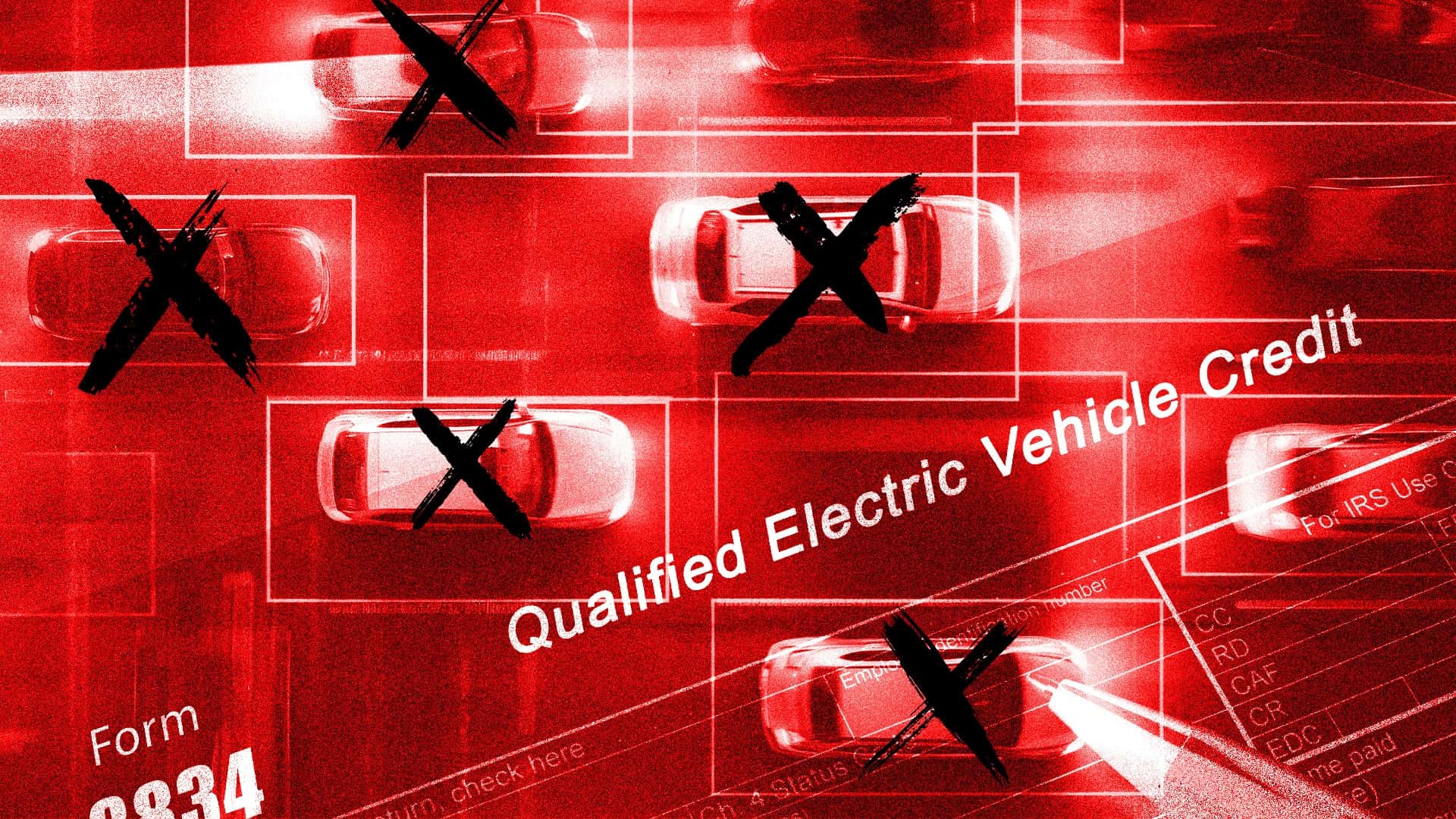
A significant shift is underway in the American automotive landscape. The United States House of Representatives has passed President Donald Trump’s domestic agenda, which includes the immediate elimination of the $7,500 federal clean vehicle tax credit and various manufacturing incentives. This legislative action, set to take effect at the end of September, is poised to alter the affordability of electric vehicles (EVs) for consumers across the nation.
While this move could introduce headwinds for the country’s transition towards a clean-energy future, industry analysts suggest it will not halt the electric vehicle market’s fundamental progression. The global trend indicates a strong and sustained momentum toward electrification, driven by inherent product advantages and evolving consumer preferences.

Key Takeaways
- The $7,500 federal EV tax credit and manufacturing incentives are being eliminated by September’s end.
- This policy change is expected to impact EV affordability, particularly in regions with lower adoption rates.
- Internal combustion vehicle (ICV) sales peaked in 2017, with subsequent growth driven by hybrids, plug-in hybrids, and EVs.
- Major global markets like Germany and China have already reduced or removed EV incentives without stopping market expansion.
- EVs are gaining ground due to inherent advantages such as quiet operation, smoother performance, advanced software, and lower operating costs.
- Challenges remain, including the evolving charging infrastructure and the initial higher cost of some EV models.
- The shift may encourage automakers to prioritize compelling product development over reliance on subsidies.
Federal Incentives Removed: Immediate Impact on the Electric Vehicle Market
The decision by the U.S. House of Representatives to revoke the federal clean vehicle tax credit marks a pivotal moment for the electric vehicle market. For many potential buyers, the $7,500 incentive played a crucial role in mitigating the higher upfront cost of EVs compared to their gasoline-powered counterparts.
Starting in late September, consumers will no longer benefit from this significant subsidy, potentially making new EVs less accessible to a broader demographic. This could temporarily slow the pace of EV adoption, especially in areas where the charging infrastructure is still developing and where consumers are more price-sensitive.
The removal of manufacturing incentives also signals a shift in government support for domestic EV production. This could influence investment decisions by automakers and battery manufacturers within the United States, although the broader global push for electrification is expected to continue driving innovation and capacity expansion.

The Inevitable Shift: Why the Electric Vehicle Revolution Endures
Despite the recent legislative changes, a consensus among automotive experts suggests that the widespread adoption of electric vehicles is an irreversible trend. The peak sales year for purely internal-combustion vehicles, for instance, occurred in 2017. Since then, sales of gasoline-powered cars have seen a steady decline, with any overall growth in new vehicle sales attributed to hybrids, plug-in hybrids, and battery electric vehicles.
This enduring momentum for the electric vehicle market is not solely dependent on government subsidies. Fundamental product advantages are increasingly driving consumer choices. Electric vehicles are inherently quieter and offer a smoother driving experience compared to equivalent internal-combustion engine (ICE) models. Advanced software-defined vehicles from companies like Rivian and Tesla also provide superior functionality and user interfaces, setting new benchmarks for the automotive industry.
Global Market Resilience Beyond Subsidies
The experience of other major global markets underscores the long-term viability of the electric vehicle market even without generous incentives. Countries such as Germany and China, previously known for substantial EV subsidies, have significantly scaled back or entirely eliminated their most generous programs. Despite these changes, their EV markets have continued to thrive and expand.
This global precedent demonstrates that a robust electric vehicle market can flourish driven by consumer demand and technological advancements, rather than solely by financial incentives. The U.S. situation, with varied EV adoption rates across states, might face unique regional challenges, but the overarching global trajectory remains positive.
Demonstrated Reliability and Low Operating Costs
Proven EV platforms have also established a strong reputation for reliability. While initial models, like any newly introduced vehicle type, may encounter early production issues, the long-term outlook for EVs is promising due to fewer complex moving parts compared to ICE vehicles. Tesla, for instance, has refined its components, allowing models like the Model 3 and Model Y to comfortably exceed 300,000 miles.
Furthermore, concerns regarding battery failures have largely diminished. Modern EV batteries are engineered for longevity and performance, with studies consistently showing low failure rates. These factors, combined with significantly lower fuel and maintenance costs over the vehicle’s lifespan, present a compelling value proposition for consumers, leading to a high retention rate among EV owners who rarely return to gasoline cars.
Addressing Remaining Challenges in the Electric Vehicle Market
While the long-term outlook for the electric vehicle market remains strong, significant work is still required to ensure universal accessibility. One of the primary hurdles is the nascent state of public charging infrastructure in many regions. While satisfactory in some markets, widespread, reliable charging networks are still under construction, a process that may take several years to mature.
Additionally, the initial purchase price of EVs remains a barrier for many consumers. The relatively new supply chains and the considerable one-time costs associated with establishing EV manufacturing facilities contribute to higher prices. Although this situation is gradually improving as economies of scale develop, many current EV offerings are priced such that they struggled to compete effectively without the federal tax credit.
Driving Automaker Innovation
The removal of tax credits, while challenging, could ironically serve as a catalyst for innovation within the automotive industry. Some early EV models, such as the Toyota bZ4x, Volkswagen ID.4, and even the Chevrolet Blazer EV, have faced difficulties in generating widespread consumer enthusiasm. Industry critics suggest that these vehicles, in some instances, have been symptomatic of an industry still learning to design and market truly compelling electric offerings.
Without the safety net of government subsidies, automakers may be compelled to refocus their strategies towards developing EVs that genuinely resonate with consumers based on their inherent merit, rather than relying on price advantages. The global success of vehicles like the Tesla Model Y, which was the best-selling car worldwide in 2023, underscores that fully resolved and desirable EVs can achieve mass-market appeal.
Global Competition and Future Models
Regulatory adjustments in the U.S. may alleviate some immediate pressure on American automakers to fully commit to clean-sheet EV designs. However, the dynamics of the global electric vehicle market, particularly the intense competition from cutting-edge Chinese EV manufacturers, will continue to drive innovation. Established players like BMW, Mercedes-Benz, and Toyota are increasingly contending with these new competitors even in their traditional home markets.
In response, these global automotive giants are investing heavily in developing a new generation of more affordable, advanced, and feature-rich EVs. Upcoming models such as the Mercedes-Benz CLA electric, BMW’s Neue Klasse iX3, and an updated Toyota bZ line are expected to offer significant improvements in performance, efficiency, and desirability. As these superior products enter the market, coupled with increasing awareness of fuel savings, reduced maintenance, and a more pleasant driving experience, the fundamental appeal of EVs will continue to grow, solidifying their place in the future of personal transportation.
FAQ Section
Q1: What is the primary impact of the EV tax credit elimination?
The primary impact is a significant increase in the effective purchase price of eligible electric vehicles by $7,500 for consumers starting in late September. This could temper demand, especially for higher-priced models or in markets where EV adoption is still nascent. It may also affect manufacturing investment decisions in the U.S.
Q2: Will the removal of incentives stop the growth of the electric vehicle market?
While the elimination of incentives may slow the pace of EV adoption in the short term, it is unlikely to stop the overall growth of the electric vehicle market. Global trends show EV markets thriving even after incentive reductions, driven by technological advancements, inherent product advantages, and increasing consumer demand for sustainable transportation.
Q3: How do EVs compare to traditional gasoline cars in terms of driving experience and reliability?
EVs generally offer a quieter, smoother, and more responsive driving experience due to their electric powertrains. In terms of reliability, modern EV platforms have fewer moving parts, leading to potentially lower long-term maintenance needs. Proven models demonstrate excellent longevity, with batteries designed to last for hundreds of thousands of miles.
Q4: What are the main challenges facing the electric vehicle market today?
The primary challenges include the ongoing development of a ubiquitous and reliable public charging infrastructure, and the relatively higher upfront purchase costs of many EV models compared to their ICE counterparts. Addressing these challenges through innovation and expansion is crucial for broader consumer adoption.
Q5: How are automakers responding to the evolving electric vehicle market?
Automakers are increasingly focusing on developing more compelling, desirable, and competitively priced EVs. This includes enhancing performance, improving battery range, refining software interfaces, and expanding model offerings across various segments. The intensifying global competition, particularly from new market entrants, is accelerating this innovation push.
Q6: Has the peak for internal combustion vehicle sales already occurred?
Yes, according to industry experts, the peak sales year for purely internal combustion vehicles was in 2017. Since then, sales have generally declined, with any growth in the overall new vehicle market being driven by the increasing sales of hybrids, plug-in hybrids, and battery electric vehicles.
Q7: Why do EV owners rarely switch back to gasoline cars?
EV owners often cite the superior driving experience (quietness, instant torque), lower operating costs (cheaper ‘fuel’ and less maintenance), and advanced technological features as reasons for not returning to gasoline vehicles. The convenience of home charging also contributes significantly to this high retention rate.