
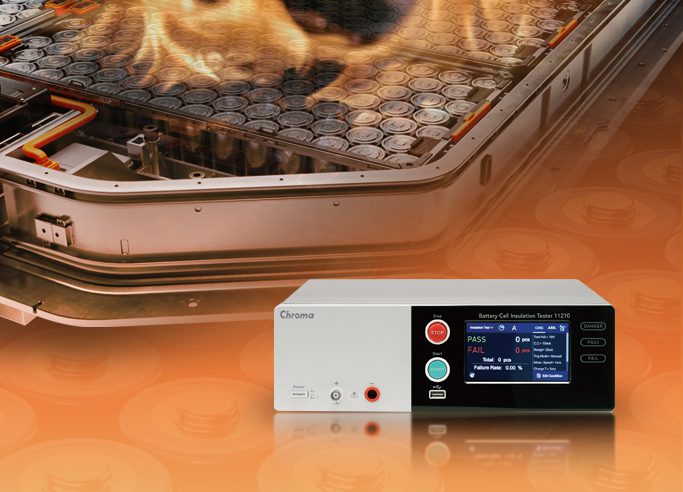
The crucial role of lithium-ion battery technology in electric vehicles (EVs) and consumer electronics is undeniable. As manufacturers push for higher power densities and increased production, ensuring cell integrity is paramount. Despite advancements, a persistent risk in lithium-ion cells involves internal electrical shorts that can develop post-production. These shorts, often caused by burrs or particles on positive electrodes migrating to negative electrodes after cell inflation, can lead to catastrophic failures if defective cells reach consumers.
Mitigating In-Field Battery Failures
To significantly reduce the likelihood of in-field failures, identifying the root cause of potential defects and effectively filtering out compromised cells before they enter the market are essential steps. It has been observed that conventional Hipot and IR tests are insufficient in detecting these future failure modes. Understanding how to pinpoint the underlying reasons that make a cell susceptible to failure is therefore critical.

Expert Insights at EV Engineering Virtual Conference
A webinar presented by Chroma during the upcoming March Virtual Conference on EV Engineering will offer solutions. Attendees will learn advanced methods for identifying and mitigating these risks during the dry cell stage, prior to the introduction of electrolytes.
The session is scheduled for March 10, 2026, at 12:30 pm EDT. Registration for this informative session is free.
The conference, broadcast live from March 9 to 12, 2026, will cover a comprehensive range of EV engineering topics. This includes motor and power electronics design and manufacturing, cell development, battery systems, testing methodologies, powertrains, thermal management, circuit protection, wire and cable technologies, and EMI/EMC considerations.
View the complete session list for the Virtual Conference on EV Engineering here.