
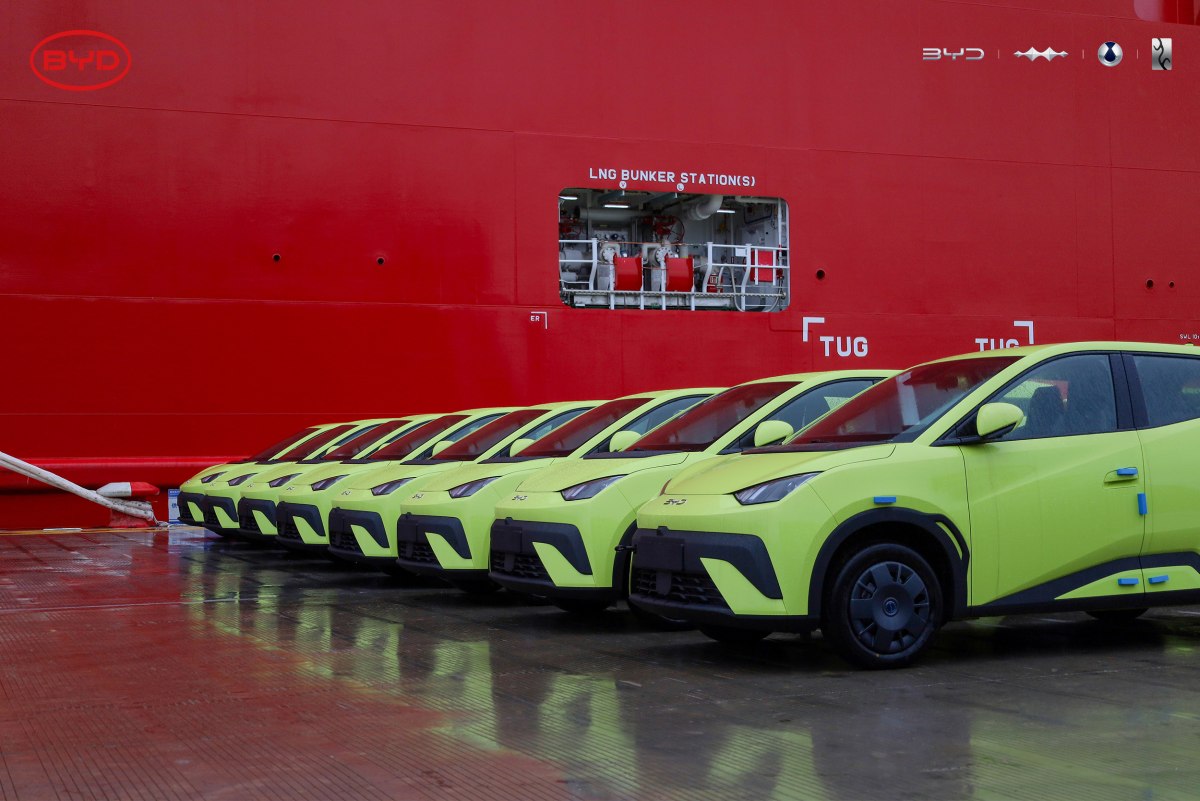
The global automotive sector is witnessing a significant shift, with Chinese electric vehicles (EVs) emerging as dominant players across international markets. This ascent is underscored by substantial early investments and leading innovation in the EV space, aligning with the worldwide transition to electric mobility.
Chinese Brands Lead in Price and Performance
Chinese EV manufacturers like BYD are achieving success through aggressive pricing and competitive offerings. They are delivering electric vehicles with impressive range and premium features at costs lower than comparable models from established European and US manufacturers. This strategy has resonated with consumers globally, driving sales and market share.

Xiaomi Enters the Auto Market with a Bang
Technology giant Xiaomi has made a notable entry into the automotive industry with its first vehicles, the SU7 and the YU7 SUV. The company’s debut models have generated significant consumer interest, reportedly securing nearly 300,000 orders within the first hour of the YU7’s release, signaling strong market reception.
BYD Surpasses Tesla in Global EV Sales
A landmark achievement for Chinese automakers was BYD overtaking Tesla as the world’s top seller of battery electric vehicles (BEVs) in 2025. This milestone marks a shift after years of Tesla’s leadership in the EV market. Tesla sold 1.64 million BEVs, while BYD sold 2.26 million. When including plug-in hybrid vehicles, BYD’s total sales reached 4.6 million in 2025, positioning the company as a major contender aiming for the top spot globally, traditionally held by automakers like Toyota.
Tesla’s Market Share Declines in Key Regions
Early data from January 2026 indicates a continuation of Tesla’s sales decline in several markets, including Australia. In Australia, Tesla’s market share for BEVs fell to 6.8% in January 2026, with 501 sales recorded, marking a low point in recent performance for the company in that region.

China Establishes Itself as a Global Auto Export Hub
Professor Ray Wills highlighted in recent analyses that 2025 marked a pivotal year for China, establishing it as the central manufacturing and export hub for the global automotive and EV industries. Chinese automakers collectively sold 27.302 million vehicles in 2025, surpassing Japanese brands’ approximately 25 million sales and ending over two decades of Japanese dominance in the sector.
Record Exports Driven by EV Growth
China’s vehicle exports reached 7.1 million in 2025. EVs, including both BEVs and plug-in hybrids, constituted around 40% of these exports. Notably, approximately two-thirds of global plug-in sales are produced in China, though the majority of this production is sold domestically. The period between 2020 and 2025 saw a stark increase in China’s vehicle exports, indicating a trajectory of growing global influence.
Australian Market Reflects Global Trends
The Australian automotive market has also shown an increasing trend towards vehicles manufactured in China, particularly from 2024 to 2025. This surge has impacted imports from traditional sources like Germany, Korea, Thailand, and Japan. While Professor Wills’ data includes all vehicle types, the trend is even more pronounced in the BEV segment.
Dominance in Australian BEV Sales
In Australia’s BEV sales for January 2026, vehicles manufactured outside China are scarce. The first non-Chinese manufactured vehicle, excluding Tesla Model Y Performance variants produced in Berlin, appears as the Toyota bZ4X in 13th place. Chinese companies also dominate ownership, securing 8 out of the top 10 spots for January sales, with the Tesla Model Y and Kia EV5 being the only sales from non-Chinese owned brands.
Future Outlook for Chinese EVs
The increasing competitiveness of Chinese EVs in terms of price and features suggests that Chinese-made or Chinese-owned vehicles are likely to become a predominant sight on Australian roads as the transition to electric vehicles accelerates. Barring unforeseen market shifts, this trend points towards continued Chinese dominance in the global automotive landscape.