
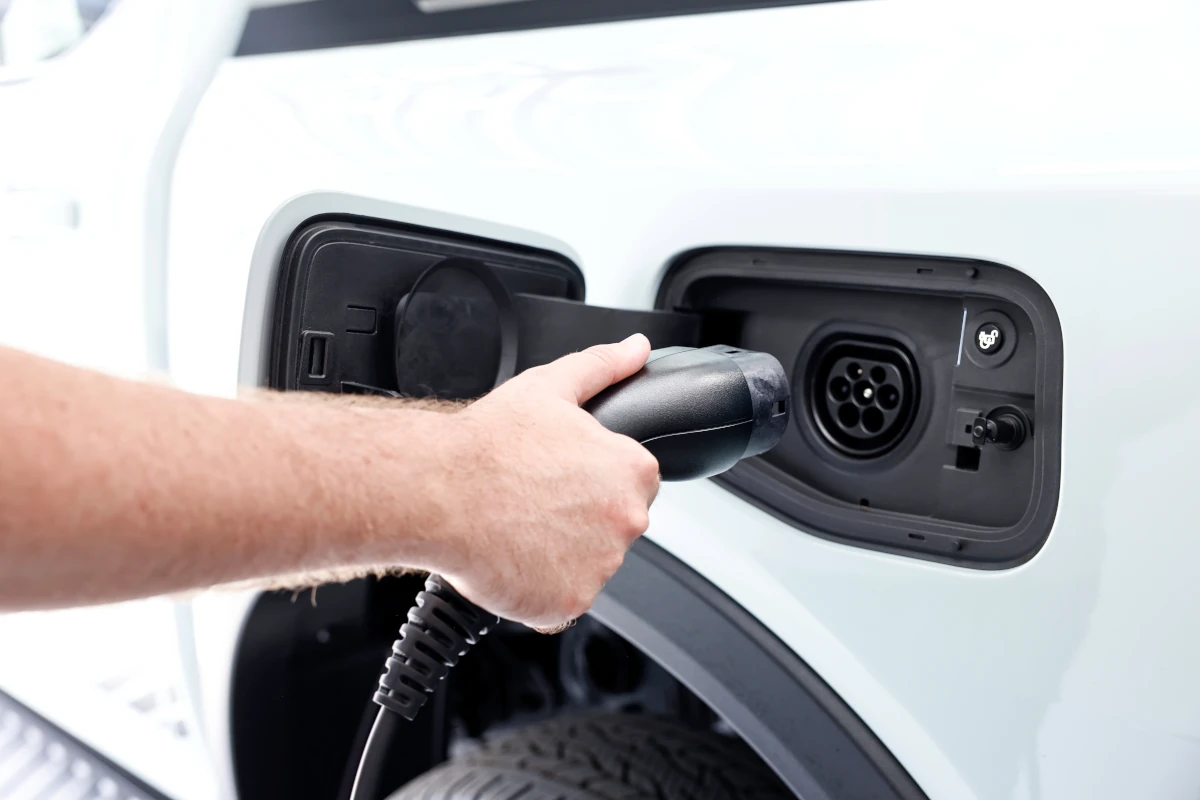
A recent analysis of real-world driving data has revealed that plug-in hybrid electric vehicles (PHEVs) in Europe consume significantly more fuel than official ratings suggest, with average consumption rates around 300 per cent higher than figures obtained through standardized testing. The findings indicate that PHEVs often perform more like traditional internal combustion engine (ICE) vehicles than battery electric vehicles (BEVs) in terms of fuel efficiency.
Key Findings from European Research
The groundbreaking report, a collaborative effort by German research organizations Fraunhofer ISI, the Oeko-Institut, and the IFEU, utilized data from on-board fuel consumption meters (OBFCM) fitted to approximately one million PHEVs registered across Europe between 2021 and 2023. This extensive dataset provides an unprecedented look into the actual usage patterns and environmental impact of these vehicles.

Since 2021, the European Environment Agency (EEA) has been instrumental in collecting OBFCM data. This data encompasses the full spectrum of a PHEV’s life cycle, including total mileage, fuel usage, electric range, official CO2 emissions, and crucially, the breakdown of kilometres driven in different modes: battery-only, battery charge-sustaining, and internal combustion engine only.
Fuel Consumption Discrepancies Revealed
According to the new report, the average real-world fuel consumption for PHEVs stands at 5.9 litres per 100 kilometres (l/100km). This figure starkly contrasts with the official WLTP (Worldwide Harmonised Light Vehicles Test Procedure) ratings, which typically range between 1.6 and 1.7 l/100km. The real-world consumption is approximately 300 per cent higher, bringing it closer to the average of around 7 l/100km for conventional combustion engine vehicles.
The primary driver behind this significant discrepancy lies in the testing methodology itself. The WLTP cycle appears to substantially overestimate the number of kilometres a PHEV is expected to travel in its electric-only mode. The current standardised assumptions, known as “utility factors” (UFs), assume that a PHEV with a 60km electric range will utilize its battery for over 80 per cent of its total driving distance.

However, the OBFCM data paints a different picture. Analysis of actual driving behaviour shows that PHEVs on European roads are driven on battery power for only about a quarter of their total mileage. This fundamental difference in usage patterns directly impacts the vehicles’ real-world fuel efficiency and emissions output.
Proposed Changes and Stakeholder Reactions
Recognizing these real-world variances, new UF thresholds are slated for introduction across the European Union. These revised thresholds aim to better align official ratings with historically observed driving patterns. Future adjustments are planned, with UFs expected to decrease to 54 per cent in 2025/26 and further to 34 per cent in 2027/28.
Despite these planned adjustments, concerns remain that the gap between official and actual performance has already had a considerable impact. An earlier analysis by Transport & Environment (T&E), a clean transport advocacy group, used OBFCM data to highlight that real-world emissions from PHEVs were five times higher than official tests suggested. Their findings indicated that CO2 emissions from PHEVs were 3.5 times higher than official figures in 2021, a ratio that has since increased to nearly five times higher by 2023.
The Growing Popularity of Hybrids
The findings emerge amidst the continued popularity of hybrid vehicles in the European market. Data released by the European Automobile Manufacturers’ Association in January indicated that PHEVs constituted 9.4 per cent of all new car registrations across the EU in 2025. Even more significantly, non-plug-in hybrid vehicles represented a substantial 34.5 per cent, making them the largest segment for new car sales in the region.
While the upcoming adjustments to PHEV UF thresholds are expected to help bridge the gap between theoretical and actual fuel consumption, some manufacturers and industry stakeholders have called for these changes to be suspended or delayed. This stance has drawn criticism from environmental groups and researchers.
Peter Kasten from the Oeko-Institut has cautioned that postponing these adjustments would have severe consequences. He stated, “In order to reduce the gap between actual consumption and official values to a level similar to that currently seen for combustion engine cars, it would be necessary to further tighten the UF for PHEVs.” Suspending these revisions, he warned, “would significantly weaken European CO2 regulations for passenger cars and lead to additional emissions in the transport sector of up to 25 million tonnes of CO2 in Germany alone.”
Broader Regulatory Landscape and Future Outlook
The debate surrounding PHEV efficiency is occurring within a wider context of evolving automotive regulations in the EU. In December, the European Commission proposed revisions to the bloc’s CO₂ emissions standards for cars and vans. Notably, this proposal suggested replacing the original zero-emission target with a revised goal of a 90 per cent reduction in CO₂ emissions, a move that has faced scrutiny given the persistent evidence of high real-world emissions from vehicles with internal combustion engines.
Transport & Environment has voiced strong concerns about the potential ramifications of this proposed revision. The group argues that such changes would effectively “keep the combustion engine and hybrid alive and reward the laggards.”
Lucien Mathieu, Cars Director at T&E, criticized the proposal, stating, “It’s like hedging your bets when there’s only one horse in the race.” He further elaborated, “The world is going electric, but the EU proposal would divert investment into other technologies that won’t deliver for the climate or the economy. The current 2035 target provides the investment certainty Europe needs to scale up EV production and compete globally.”
The ongoing divergence between official fuel consumption ratings and real-world performance of PHEVs, coupled with regulatory debates, underscores the complex challenges in transitioning the automotive sector towards genuine sustainability and decarbonization.
About the Author
Joshua S. Hill is a seasoned journalist based in Melbourne with over 15 years of experience covering climate change, clean technology, and electric vehicles. His reporting on electric vehicles and clean technologies for outlets like Renew Economy and The Driven began in 2012. He advocates for sustainable transport, often preferring to travel on foot.