
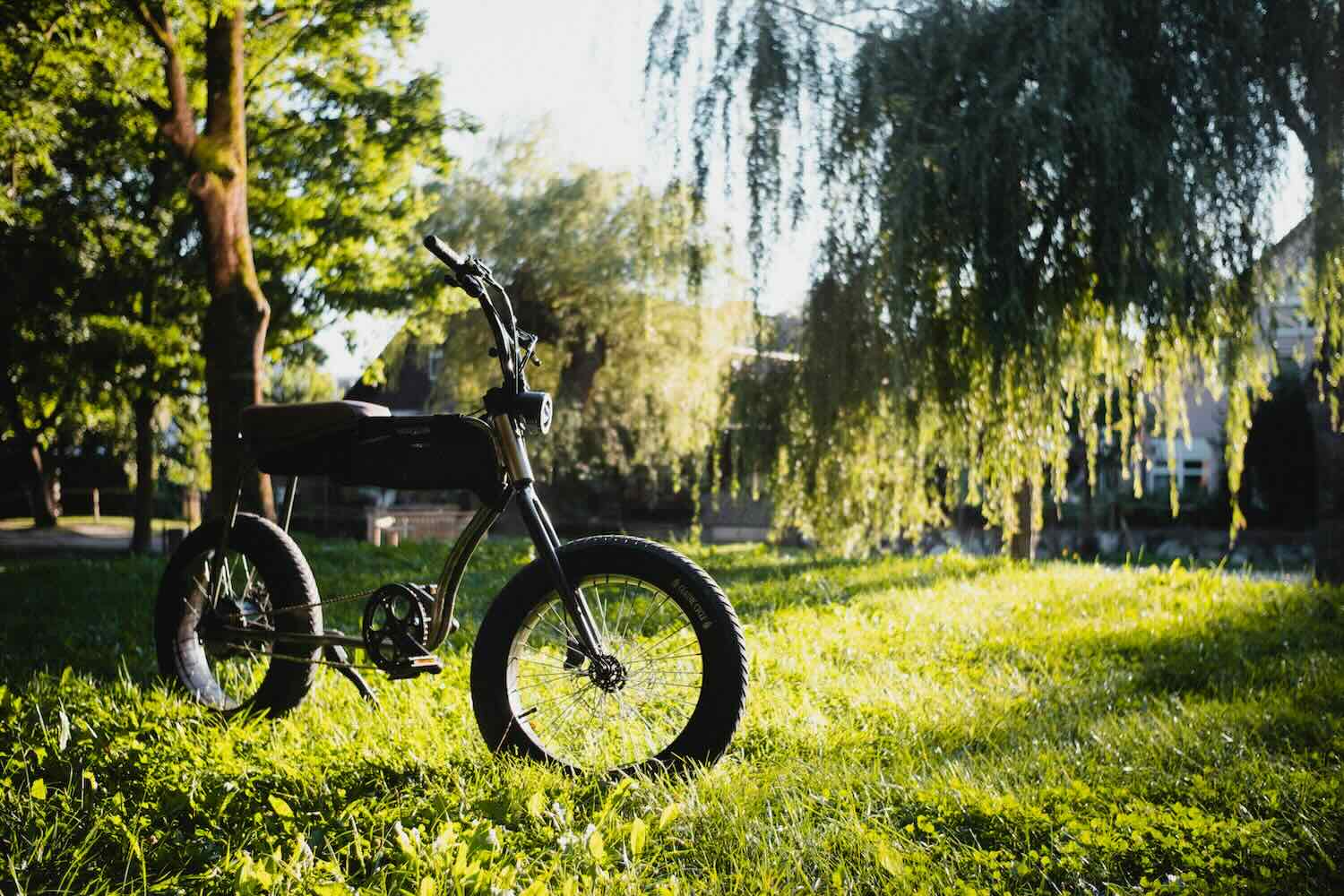
A proposal emerging from a Queensland parliamentary inquiry could significantly alter how electric bikes are used across the state, with recommendations reportedly including an age restriction for young riders and a mandatory driver’s licence for adults. The inquiry, focused on bike safety, is expected to table its findings early, potentially enacting these changes.
Potential Restrictions on E-Bike Use
The Guardian reports that the Queensland parliamentary inquiry into bike safety is considering recommendations that would ban children under 16 from riding e-bikes. Furthermore, adults seeking to use these popular personal transport devices may be required to hold a standard driver’s licence.

This early report and its rumoured proposals have raised questions about the democratic process, with concerns that closing the inquiry prematurely might limit broader public input and the comprehensive gathering of evidence needed for balanced policy development.
E-bikes as Essential Transport
For many Australian families, e-bikes represent a vital mode of transport. The author highlights their own family’s reliance on e-bikes, noting that while they and their partner hold driving licences, the skills acquired for car operation bear little resemblance to the safe handling of a two-wheeled vehicle.
The proposed requirement for a licence, likely involving a learner’s permit and a road rules test, is seen as problematic. Existing driver’s licence tests, it is argued, do not sufficiently cover the nuances of cycling safety, including defensive riding techniques and clear communication with motorists, especially in environments where cyclists often contend with distracted drivers and inadequate infrastructure like bike boxes or dedicated lanes.

Impact on Gig Economy and Consumers
The potential implementation of licensing requirements for e-bikes could create significant barriers for individuals seeking employment in the gig economy. Many delivery services, including food and grocery orders, depend on bicycle couriers.
Restricting access to e-bikes, which are the tools of trade for many delivery workers, could disproportionately affect immigrant and student populations who frequently rely on these jobs. Such restrictions could lead to a reduced supply of delivery personnel, potentially driving up costs for consumers and increasing reliance on cars and vans for deliveries. This shift could, in turn, exacerbate traffic congestion and air pollution in urban areas.
Promoting Active Transport from a Young Age
The article draws a comparison with practices in the UK, where cycling proficiency training has often been integrated into school curricula. The argument is made that fostering active transport habits should begin in schools, offering all children opportunities to travel to school safely via walking, cycling, or scooting.
The immediate benefits of such initiatives are presented as multifaceted, including reduced congestion around school zones, improved air quality, and the promotion of physical and mental well-being among students, leading to greater engagement in their education.
Australia’s Stance on Cycling and Active Transport
The piece suggests Australia holds a somewhat paradoxical view of cycling and active transport. Instead of fully embracing the extensive advantages related to public health, environmental quality, reduced congestion, and enhanced urban living, cycling is often perceived either as a niche activity for a specific demographic or as a nuisance requiring strict policing.
Data on Road Fatalities and Vulnerable Road Users
Citing data from the Bureau of Infrastructure and Transport Research Economics (BITRE) Australian Road Deaths database, the article points out that since 1989, there have been 58,284 recorded deaths on Australian roads. Of these, 9,637 were pedestrians and 1,548 were pedal cyclists.
Notably, the database reportedly contains no records of fatalities resulting solely from collisions between pedestrians and cyclists. The author posits that this absence of data does not indicate the non-occurrence of such incidents but rather suggests that collisions involving only vulnerable road users are seldom officially recorded unless a motor vehicle is involved.
This lack of specific data on incidents between vulnerable road users is presented as symptomatic of a broader issue in Australia, where empirical evidence is scarce, hindering the development of well-informed policies concerning active transport. The article concludes by suggesting that a truly inquisitive parliamentary inquiry might explore the reasons behind this data deficit.