
Key Takeaways
- Energy Bank is deploying 200 bidirectional chargers across Sweden as part of a significant V2X pilot program.
- This initiative aims to integrate electric vehicles into the national energy grid, allowing them to provide critical grid services.
- Collaborating with Vattenfall, Volkswagen, and Transtema Charge, the pilot involves both private households and businesses.
- The project leverages DC charging using the CCS standard and Volkswagen’s MEB platform, which supports bidirectional capabilities.
- EV owners participating in the program will be compensated for contributing to grid stability and balance, potentially enhancing EV ownership economics.
- This large-scale pilot is a crucial step towards developing a commercial Vehicle-to-Everything (V2X) market and accelerating the energy transition.
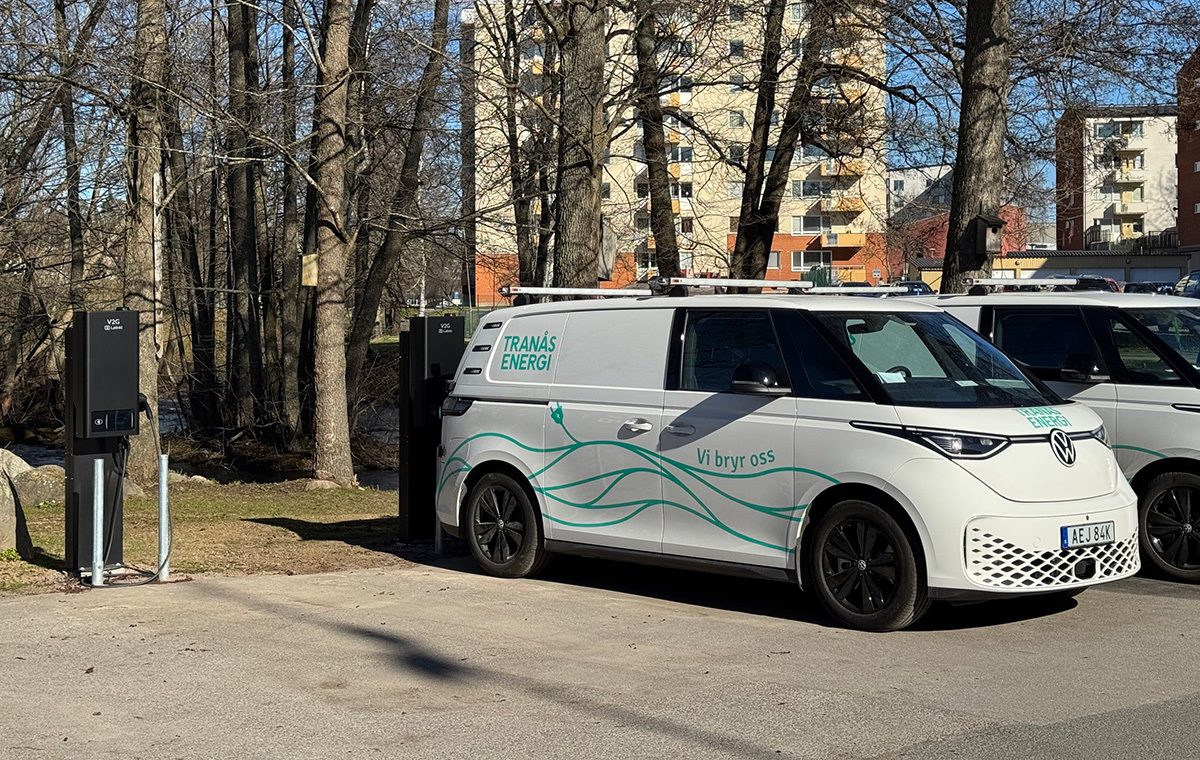
STOCKHOLM, Sweden – In a landmark move poised to revolutionize grid management and electric vehicle (EV) integration, Swedish/Swiss energy optimization specialist Energy Bank has commenced the installation of 200 bidirectional chargers across Sweden. This ambitious V2X pilot program aims to forge a vital link between numerous grid operators and a growing number of EV drivers, establishing a robust framework for vehicle-to-everything (V2X) capabilities on a commercial scale.
The deployment represents a significant expansion following a successful 15-month trial of Energy Bank’s Vehicle-to-Grid (V2G) technology at the Stenberg Housing Association in Hudiksvall. That initial testing phase provided critical insights and validation, paving the way for this larger, more comprehensive V2X pilot, which the company explicitly terms “the next step toward a commercial offering.” This strategic scaling up underscores the growing confidence in bidirectional charging technology as a viable solution for future energy demands.

Pioneering Collaboration for Grid Resilience
This extensive V2X pilot is a testament to collaborative innovation, bringing together key players from the energy and automotive sectors. Energy Bank is working in close partnership with Vattenfall, a prominent Swedish electric utility, and Volkswagen, a global automotive giant. Installation expertise is being provided by Transtema Charge, ensuring the seamless deployment of the advanced charging infrastructure.
The initiative is designed to empower approximately 200 EV owners, encompassing both private households and businesses, to actively participate in providing essential grid services. This participation comes with a tangible benefit: compensation for their contribution, creating a compelling incentive for widespread adoption and engagement in the nascent V2X market.
Technical specifications for the pilot are centered around direct current (DC) charging, utilizing the widely recognized Combined Charging System (CCS) standard. This choice is critical as DC charging enables more efficient and rapid energy transfer, facilitating the bidirectional flow of electricity between the vehicle and the grid. Such capabilities are fundamental for advanced grid support functions.
Volkswagen’s Role and the MEB Platform
A cornerstone of this V2X pilot is Volkswagen’s commitment to advancing bidirectional charging. The automaker’s highly successful MEB (Modular Electric Drive Matrix) and newer MEB Plus platforms are fully equipped to support bidirectional DC charging, making them ideal candidates for such innovative energy projects.
These platforms provide the inherent compatibility necessary for EVs to transition from mere consumers of electricity to dynamic participants in the energy ecosystem. By integrating these vehicles, the project taps into a ready fleet capable of sophisticated energy management.
Energy Bank’s role as the technical aggregator is central to the operational success of the pilot. The company is responsible for pooling the collective energy flexibility offered by all connected vehicles. This aggregated capacity is then delivered seamlessly via Energy Bank’s API integration directly to Vattenfall, enabling the utility to manage grid demands more effectively.
A Unique Aggregation Model
Energy Bank distinguishes its aggregation approach within the V2G landscape. While some V2G aggregators take on the responsibility of packaging flexibility and dictating its usage, Energy Bank operates differently. The company emphasizes its unique model, stating: “Other V2G aggregators package flexibility and decide how it is used. Energy Bank does the opposite. We aggregate capacity from connected EVs and hand control to the grid owner or electricity supplier.”
This distinct strategy positions grid operators, like Vattenfall, with direct control over how and when this aggregated energy capacity is utilized. This direct control can enhance operational efficiency and responsiveness, allowing utilities to make real-time decisions based on prevailing grid conditions, demand fluctuations, and renewable energy availability.
Quotes from Leaders: Envisioning the Future of Energy
The significance of this V2X pilot was highlighted by key figures involved in the project, underscoring its potential to shape future energy markets and accelerate the energy transition.
Klas Boman, co-founder of Energy Bank, articulated the transformative potential of the initiative, stating: “This project shows that EVs can become an active and valuable part of the energy system. This is an important step toward a new market where mobility and energy meet, and where the EV owner helps drive the energy transition.” His remarks emphasize the paradigm shift from EVs as mere transport to essential energy assets.
From the perspective of grid management and customer benefit, Magnus Berg, Manager Customer Products and Solutions at Vattenfall, commented on the collaborative exploration: “Our collaboration explores how aggregated EV batteries can contribute flexibility and support system balance and stability. If the battery can support the power system and generate revenue, it is a way to improve the economics of owning an EV and contribute to further electrification.” This highlights the dual benefit of enhanced grid stability and improved EV ownership economics.
Reinforcing the readiness of EV technology, Derek von Rönn, Business Owner, Charging, at Volkswagen, affirmed the capabilities of their vehicles: “Volkswagen MEB platform vehicles are ready for bidirectional charging today. With fast response times and the ability to deliver multiple grid services, our EVs are not just means of transport—they are mobile energy assets.” This statement underscores Volkswagen’s foresight in designing EVs capable of becoming integral components of a smart grid.
Driving the Energy Transition and Smart Grid Evolution
The widespread deployment of bidirectional chargers, as seen in this Swedish V2X pilot, marks a critical juncture in the global energy transition. As renewable energy sources like solar and wind become increasingly prevalent, the need for flexible energy storage and grid balancing solutions intensifies. Electric vehicle batteries, with their substantial storage capacities, offer a decentralized and scalable answer to this challenge.
By enabling EVs to feed energy back into the grid, they can absorb surplus renewable energy during periods of high generation and supply power during peak demand or when renewable output is low. This effectively transforms a fleet of vehicles into a vast, distributed energy storage system, bolstering grid resilience and accelerating the integration of intermittent renewables.
Beyond grid stability, the V2X pilot holds significant promise for consumers. The prospect of receiving compensation for providing grid services can substantially lower the total cost of EV ownership, making electric mobility more attractive and accessible. This economic incentive is crucial for driving faster adoption of EVs and fostering a more sustainable transport sector.
Moreover, the integration of advanced energy management systems and API capabilities, as demonstrated by Energy Bank, paves the way for increasingly sophisticated smart grid functionalities. These systems can optimize energy flows, predict demand patterns, and enhance overall energy efficiency across the national infrastructure. The V2X pilot thus serves as a living laboratory for the future of energy management.
Looking Ahead: The Commercialization of V2X
The transition from a confined test environment to a large-scale, multi-stakeholder V2X pilot with 200 chargers underscores the commercial readiness and immense potential of bidirectional charging technology. The lessons learned from this program will be invaluable in developing standardized commercial offerings, regulatory frameworks, and market mechanisms that can support a nationwide rollout.
This initiative positions Sweden at the forefront of V2X deployment, setting a precedent for other nations looking to leverage their growing EV fleets for energy optimization. The collaboration between energy providers, automotive manufacturers, and technology innovators like Energy Bank illustrates a comprehensive approach to tackling the complexities of modern energy systems and sustainable mobility.
As the pilot progresses, the insights gained will likely inform future policy decisions and investment strategies in charging infrastructure, ultimately shaping a more interconnected, flexible, and sustainable energy landscape. The ongoing success of this V2X pilot is a strong indicator that the era of electric vehicles as mobile energy assets is not just a concept, but a rapidly approaching reality.
Source: Energy Bank
Frequently Asked Questions
What is V2X technology?
V2X, or Vehicle-to-Everything, refers to a communication system where an electric vehicle can exchange energy with external entities. This includes Vehicle-to-Grid (V2G), Vehicle-to-Home (V2H), and Vehicle-to-Building (V2B), allowing EVs to not only draw power but also return it to the grid or specific locations, enhancing energy flexibility and stability.
How does the Energy Bank V2X pilot in Sweden work?
In this pilot, Energy Bank is installing 200 bidirectional DC chargers. Connected electric vehicles, primarily using Volkswagen’s MEB platform, will provide aggregated energy flexibility to the Swedish grid via Vattenfall. Energy Bank acts as the technical aggregator, managing the collective capacity of these EVs for grid services.
Who are the key partners involved in this Swedish V2X pilot?
The pilot is a collaborative effort involving Energy Bank, a Swedish/Swiss energy optimization specialist; Vattenfall, a major Swedish electric utility; Volkswagen, providing EVs compatible with bidirectional charging; and Transtema Charge, serving as the installation partner for the charging infrastructure.
What is the significance of bidirectional DC charging using the CCS standard?
Bidirectional DC charging, particularly with the widely adopted CCS standard, is crucial because it enables direct two-way energy flow between an EV battery and the grid. This facilitates faster energy transfers and allows vehicles to provide advanced grid services, moving beyond simple AC charging for energy exchange.
What are the benefits for EV owners participating in this program?
EV owners in the V2X pilot can receive compensation for providing grid services, improving the overall economics of electric vehicle ownership. By allowing their vehicles to share stored energy, they actively contribute to the stability and balance of the power system and support the broader energy transition.
How does this pilot contribute to the energy transition?
By integrating electric vehicles as active energy assets, the pilot demonstrates a pathway for renewable energy storage and grid balancing. This flexibility helps manage intermittent renewable power sources, reduces reliance on fossil fuels, and accelerates the shift towards a more sustainable and electrified energy system.
What role does Energy Bank play as an aggregator?
Energy Bank functions as the technical aggregator, collecting and pooling the energy flexibility from all connected electric vehicles. Unlike some other aggregators, Energy Bank then hands control of this aggregated capacity directly to the grid owner or electricity supplier, like Vattenfall, for optimal utilization in managing grid demands.