

The automotive landscape is undergoing a seismic shift as cars evolve into sophisticated data hubs. Gone are the days when software updates were an afterthought—today, they’re central to vehicle performance and innovation. This transformation has sparked a growing consensus: collaboration and open-source solutions might be the keys to unlocking the future of mobility.
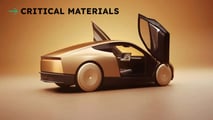
One of the most ambitious visions comes from Tesla, which aims to revolutionize transportation with its fully autonomous Cybercab. Designed as a compact, two-seat ride-hailing vehicle priced under $30,000, the Cybercab represents a bold leap into uncharted territory. However, Tesla faces significant regulatory and technical hurdles before this dream becomes reality.
Congress could play a pivotal role in clearing at least one major obstacle. Later this month, the House Committee on Energy and Commerce will review the Motor Vehicle Modernization Act—a bill that proposes raising the annual production cap for vehicles exempt from Federal Motor Vehicle Safety Standards from 2,500 to 90,000 units. If passed, this legislation would provide Tesla and other autonomous vehicle developers like Amazon’s Zoox with much-needed flexibility to scale their operations.
Still, regulatory approval is just one piece of the puzzle. Tesla must also overcome challenges related to its self-driving software, charging infrastructure for the port-less Cybercab, and even trademark disputes over the vehicle’s name. The road ahead remains complex, but legislative changes could accelerate progress.
Meanwhile, former Waymo CEO John Krafcik offers a sobering perspective on the timeline for personal autonomous vehicles. Speaking at CES, he dismissed the idea of robotaxis parked in driveways within two years as “silly,” calling out a decade of unfulfilled promises from certain automakers. Instead, Krafcik predicts the near future will focus on advanced driver-assistance systems rather than fully autonomous cars—a sentiment echoed by Ford’s recent announcement targeting “eyes-off” driving capabilities by 2028.
In another significant development at CES, over 30 automotive companies and tech firms—including BMW, Mercedes-Benz, and Qualcomm—expanded their open-source software initiative. This collaborative effort aims to reduce costs and streamline development across the industry. As Mike Milinkovich of the Eclipse Foundation noted, this marks a “clear global shift toward open innovation” in an industry traditionally defined by competition.
The question now is whether this spirit of cooperation will become the new norm. Should automakers pool resources to drive innovation, or does this approach risk stifling competition? As the industry navigates these uncharted waters, one thing is clear: the future of transportation will be shaped by both technological breakthroughs and strategic partnerships.