
Key Takeaways:
- Volvo Cars has received a special authorization from the U.S. Department of Commerce.
- This allows the Swedish automaker to continue importing and selling connected cars with Chinese hardware and software in the U.S.
- The authorization is crucial for Volvo, which is owned by China’s Geely and manufactures models like the XC60 and XC40 in China.
- U.S. regulations, effective March 2025 (software) and March 2030 (hardware), aim to restrict connected vehicle technology from China and Russia due to national security concerns.
- Volvo’s authorization is not a blanket exemption but a specific approval within the existing regulatory framework.
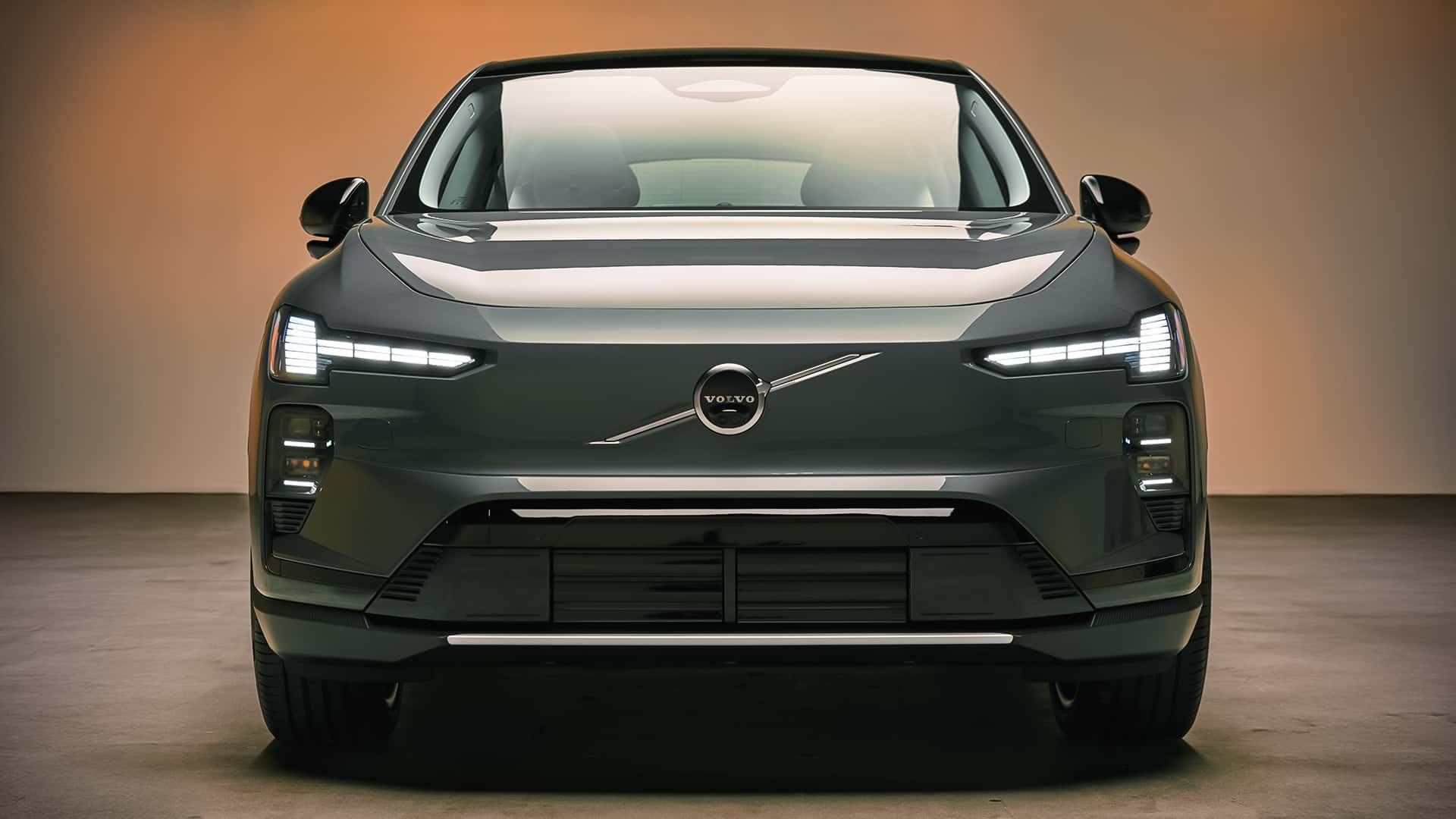
In a significant development for the global automotive industry, Volvo Cars, the renowned Swedish automaker owned by China’s Geely, has obtained a special authorisation from the U.S. Department of Commerce. This crucial approval permits Volvo to continue the import and sale of its connected vehicles incorporating Chinese hardware and software within the United States.
The authorisation comes amidst escalating geopolitical tensions and heightened scrutiny from Washington concerning the security implications of foreign technology in critical infrastructure. It provides Volvo a clear pathway forward in the competitive U.S. market, distinguishing it from a broader U.S. initiative to restrict automotive technology links to China and Russia.
Understanding U.S. Restrictions on Connected Car Technology
The U.S. government has been increasingly vocal about the potential risks posed by connected vehicle technology sourced from nations deemed to be national security threats. These concerns primarily revolve around the possibility of foreign governments accessing sensitive data, remotely controlling vehicle fleets, or exploiting hardware and software for malicious purposes.
To address these perceived threats, the Commerce Department implemented new regulations, specifically targeting connected vehicles. These rules are set to progressively restrict the import and sale of such vehicles.
The initial phase of these restrictions will take effect on March 17, 2025, focusing on software components for connected vehicles, impacting models from the 2027 model year onwards. A subsequent phase, beginning in March 2030, will extend these restrictions to hardware components, affecting models from the 2030 model year.
Defining ‘Connected Car’ Under the Regulations
It is important to note that not all connected cars are subject to these stringent regulations. The rule specifically targets software that enables advanced automated driving features, distinguishing them from simpler driver-assistance systems. Furthermore, it encompasses vehicle connectivity to satellite, cellular, and Wi-Fi networks, which are considered critical avenues for potential data exploitation or remote control.
The regulations stipulate that hardware and software “designed, developed, manufactured, or supplied by persons owned by, controlled by, or subject to the jurisdiction or direction of” China cannot be imported into the U.S. This also extends to “completed connected vehicles that incorporate covered software.”
Volvo’s Strategic Navigation of Regulatory Hurdles
Volvo’s unique ownership structure, being a subsidiary of the Chinese automotive giant Geely, placed it directly within the purview of these new U.S. trade and national security regulations. This necessitated a structured and meticulous engagement with American regulatory bodies to ensure continued market access.
The Swedish automaker confirmed that, due to its ownership, it was required to follow a specific process with the U.S. Department of Commerce. This culminated in obtaining the crucial authorization from the Office of Information and Communications Technology and Services (ICTS).
A spokesperson for Volvo Car USA clarified the nature of this authorization, stating, “The Connected Car ICTS rule has software requirements that all OEMs in the U.S. must comply with, not just Volvo Cars, and our specific authorization is not an exemption from these requirements.” This statement underscores that while Volvo has secured its operational continuity, it remains subject to the broader compliance standards applicable to all original equipment manufacturers (OEMs) in the U.S. market.
Implications for Volvo’s U.S. Operations and Growth
The successful acquisition of this authorization is a significant victory for Volvo. It enables the company to proceed with its strategic growth plans in the United States, a market vital for its global sales and brand positioning.
Several popular Volvo models, including the best-selling XC60 crossover and the compact XC40, are assembled in China. These vehicles often incorporate the very hardware and software components that are the focus of U.S. regulatory scrutiny. The authorization therefore ensures these models, which are integral to Volvo’s sales volume and market share in the U.S., can continue to be imported and sold without disruption.
Furthermore, Volvo operates a design facility in Shanghai, reinforcing its deep ties to Chinese automotive innovation and manufacturing capabilities. The authorization acknowledges this integrated operational model while seeking to mitigate national security concerns through specific regulatory oversight.
Broader Industry Context and Geopolitical Dynamics
The U.S. government’s stance on Chinese automotive technology reflects a wider global trend of increased scrutiny over supply chain security and data privacy. This regulatory environment creates a complex landscape for international automakers, particularly those with significant production or ownership ties to China.
The rule’s emphasis on the origin of hardware and software, irrespective of the final vehicle assembly location, highlights the depth of concern regarding potential vulnerabilities. Manufacturers tied to the Chinese government face prohibitions on selling completed connected cars in the U.S., even if individual components and software are sourced from other countries. This broad scope necessitates a comprehensive review of global supply chains for all automotive players.
For the broader automotive industry, Volvo’s authorization serves as a precedent and a potential blueprint for other OEMs navigating similar geopolitical and regulatory challenges. It demonstrates that a structured engagement with regulatory bodies can lead to tailored solutions, allowing companies to maintain market access while addressing national security concerns.
The Future of Connected Automotive Technology
As connected car technology continues to advance, incorporating features like advanced automated driving and seamless network integration, the intersection of technology, trade, and national security will only grow more complex. Governments worldwide are increasingly focused on establishing robust regulatory frameworks to protect consumer data and national interests.
The case of Volvo underscores the critical need for automakers to not only innovate technologically but also to meticulously manage their supply chains and regulatory compliance across diverse geopolitical landscapes. This ongoing dialogue between industry and government will shape the future trajectory of connected mobility and its global deployment.
FAQ Section
What is the core issue behind the U.S. ban on Chinese car tech?
The U.S. government’s primary concern revolves around national security risks, including the potential for foreign governments to exploit connected vehicle hardware and software for data theft, surveillance, or remote control of vehicle fleets, especially from countries like China and Russia.
When do the U.S. restrictions on Chinese connected car technology take effect?
The restrictions are phased: software requirements for connected cars will apply from March 17, 2025 (affecting 2027 model year vehicles), and hardware restrictions will commence from March 17, 2030 (affecting 2030 model year vehicles).
Why did Volvo need a special authorization to sell its connected cars in the U.S.?
Volvo, being owned by China’s Geely, falls under the scope of U.S. regulations targeting companies with ties to foreign governments deemed a national security risk. Therefore, it was required to undergo a specific authorization process with the U.S. Department of Commerce to continue its sales.
Does Volvo’s authorization mean it is exempt from all U.S. connected car rules?
No, Volvo’s authorization is not a blanket exemption. A Volvo Car USA spokesperson stated, “our specific authorization is not an exemption from these requirements,” indicating that while approved, Volvo must still comply with the broader software and hardware regulations applicable to all OEMs in the U.S.
Which Volvo models are specifically impacted by this authorization?
The authorization is particularly relevant for Volvo models such as the best-selling XC60 crossover and the smaller XC40, both of which are assembled in China and incorporate connected car technologies that could be subject to the U.S. restrictions.
What types of connected car technology are targeted by the U.S. regulations?
The regulations specifically target software enabling automated driving features (beyond simple driver-assistance) and vehicle connectivity to satellite, cellular, and Wi-Fi networks. Basic features are generally not included in these specific restrictions.
What is the role of the U.S. Department of Commerce in this process?
The U.S. Department of Commerce, specifically its Office of Information and Communications Technology and Services (ICTS), is responsible for implementing and enforcing these regulations, as well as granting specific authorizations like the one received by Volvo.