
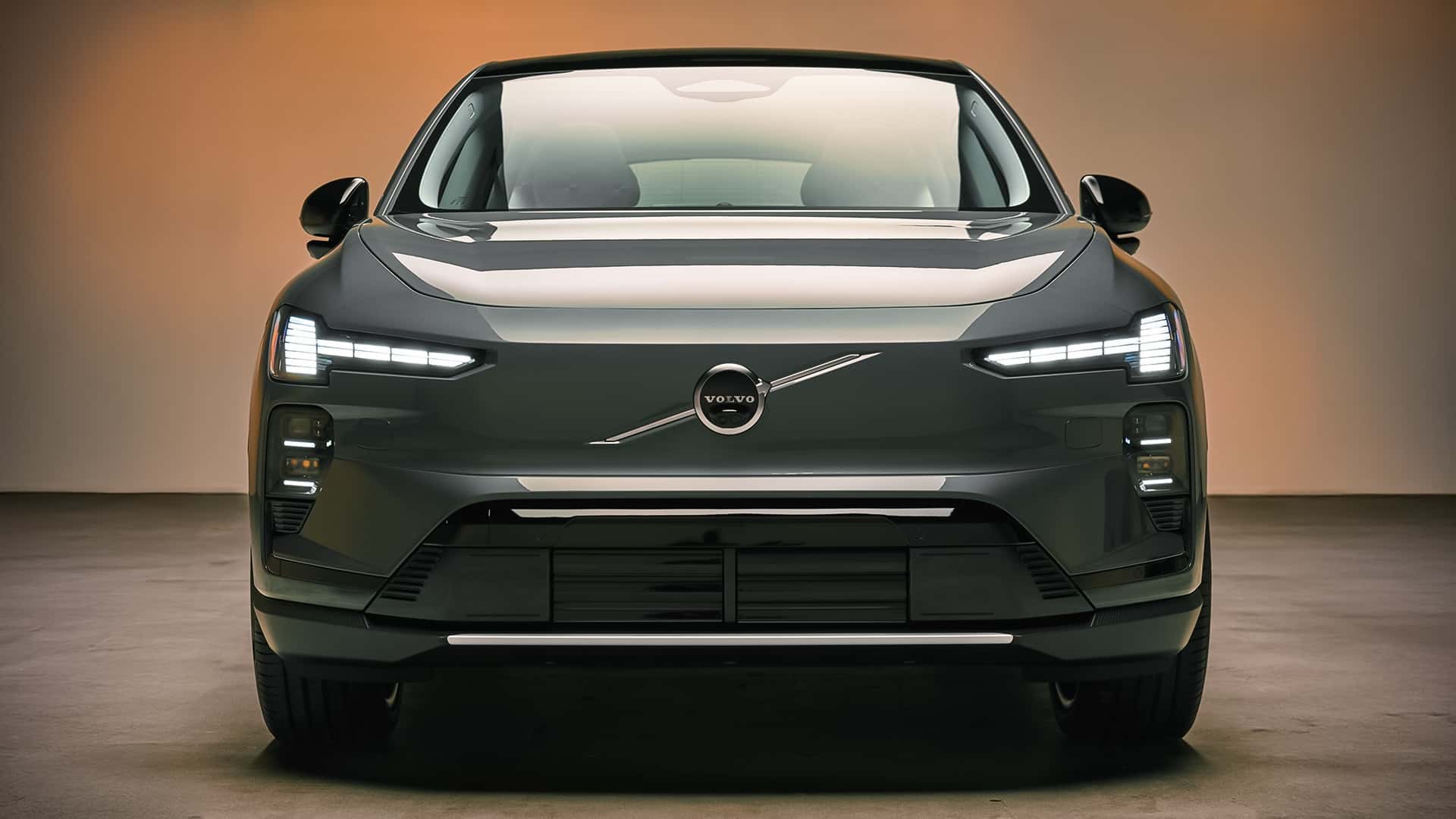
In a significant development for the global automotive industry and U.S.-China trade relations, Swedish automaker Volvo Cars has received a special authorization from the U.S. Department of Commerce. This crucial approval permits Volvo to continue importing and selling its connected cars in the United States, despite these vehicles incorporating hardware and software components from Chinese sources.
This move comes amidst tightening U.S. regulations designed to restrict the presence of Chinese technology in the American automotive market due to national security concerns. Volvo, notably owned by China’s Geely, was required to navigate a specific authorization process, which ultimately allows the company to maintain its current product offerings and growth trajectory in the vital U.S. market.
Key Takeaways
- Volvo Cars, a subsidiary of China’s Geely, has secured a special authorization from the U.S. Department of Commerce.
- This permit allows the automaker to continue importing and selling connected vehicles in the U.S. that utilize Chinese-sourced hardware and software.
- The authorization is a critical exemption from forthcoming U.S. rules aimed at restricting Chinese technology in connected cars due to national security concerns.
- The Department of Commerce’s rules, effective March 17, 2025, target software from the 2027 model year and hardware from the 2030 model year.
- Volvo’s ability to maintain its U.S. market presence with models like the China-assembled XC60 and XC40 is secured by this authorization.
Navigating U.S. Restrictions on Connected Vehicle Technology
The decision by the Office of Information and Communications Technology and Services (ICTS) within the U.S. Department of Commerce marks a critical juncture for Volvo. It allows the automaker to circumvent broader restrictions announced earlier, which are set to significantly alter the landscape for connected vehicle technology in the U.S. The Commerce Department’s new rules, which will come into effect on March 17, 2025, aim to address potential national security risks associated with foreign adversary technology.
These comprehensive regulations specifically target connected vehicles that incorporate software originating from China and Russia, with restrictions beginning from the 2027 model year. Furthermore, starting with the 2030 model year, vehicles featuring hardware components from these two nations will also face import and sale prohibitions. The U.S. government has underscored these measures are essential to safeguard American data and critical infrastructure from potential exploitation.
The Rationale Behind the ‘Connected Car ICTS Rule’
The foundation of these stringent rules lies in deep-seated concerns regarding equipment that could be “easily exploitable” by foreign governments. The U.S. administration fears that malicious actors could leverage such technology to steal sensitive data from American citizens or even gain remote control over vehicle fleets. This perceived vulnerability extends to hardware and software “designed, developed, manufactured, or supplied by persons owned by, controlled by, or subject to the jurisdiction or direction of” foreign adversaries like China and Russia.
The rule specifically prohibits the import of “completed connected vehicles that incorporate covered software” from these sources. It is important to note that the scope of these restrictions is not universal. The rule targets advanced functionalities, particularly software enabling automated driving capabilities, as opposed to simpler driver-assistance features. Additionally, it applies to vehicle connectivity systems that link to satellite, cellular, and Wi-Fi networks, which are crucial for modern infotainment and telematics.
Volvo’s Strategic Authorization Amidst Geopolitical Tensions
Volvo’s situation is unique given its ownership structure. The company is a subsidiary of China’s Zhejiang Geely Holding Group, a multinational automotive company. This ownership tie positioned Volvo directly within the purview of the U.S. Commerce Department’s new regulations, necessitating a specific authorization process to ensure continued market access.
A Volvo Car USA spokesperson clarified the company’s position, stating, “The Connected Car ICTS rule has software requirements that all OEMs in the U.S. must comply with, not just Volvo Cars, and our specific authorization is not an exemption from these requirements.” This statement implies that while Volvo has secured an authorization for its current setup, it is still subject to the broader compliance framework, indicating a complex regulatory environment for all manufacturers.
Impact on Volvo’s U.S. Operations and Product Portfolio
The authorization is vital for Volvo’s presence in the U.S. market, particularly for popular models like the XC60 crossover and the smaller XC40, both of which are assembled in China. Furthermore, Volvo maintains a design facility in Shanghai, highlighting its significant operational footprint within China. Without this special permit, these key models, which form a considerable part of Volvo’s sales volume in the U.S., would face potential import bans as the new regulations phased in.
The company confirmed the importance of this development in a statement: “With this specific authorization, Volvo Cars can continue its growth plans in the U.S.” This underscores the critical role the U.S. market plays in Volvo’s global strategy and the relief provided by this regulatory clearance. It allows Volvo to leverage its global manufacturing and design capabilities, including those in China, without immediate disruption to its American supply chain or consumer offerings.
Broader Implications for the Automotive Industry
Volvo’s successful authorization sets a precedent and offers insight into how other global automakers with similar ties to Chinese manufacturing or technology might navigate the evolving U.S. regulatory landscape. The Commerce Department’s rule is designed to be comprehensive, stating that manufacturers tied to the Chinese government are prohibited from selling completed connected cars in the U.S., even if the components and software were sourced elsewhere.
This places immense pressure on the automotive supply chain, pushing manufacturers to meticulously evaluate the origin and security of every component and software line in their connected vehicles. The rule emphasizes that it is not just about where a vehicle is assembled, but critically, where its underlying hardware and software are “designed, developed, manufactured, or supplied.” This scrutiny aims to mitigate risks across the entire lifecycle of connected vehicle technology, ensuring that no backdoor vulnerabilities exist.
The Evolving Landscape of Connected Car Security
The rise of advanced driver-assistance systems (ADAS) and fully automated driving systems has made connected cars increasingly complex, integrating numerous sensors, cameras, and sophisticated software. These systems generate vast amounts of data, from driving patterns and location information to personal preferences and biometric data. The potential for unauthorized access to this data, or even remote manipulation of vehicle controls, raises significant national security and privacy concerns.
This Authorization for Volvo connected cars highlights the ongoing tension between globalized automotive production and national security imperatives. As the 2027 and 2030 deadlines approach, other automakers will undoubtedly face similar scrutiny regarding their supply chains and technological partnerships, particularly those involving entities from designated foreign adversaries. The U.S. government’s stance signals a long-term commitment to securing the country’s technological infrastructure against perceived threats, making compliance and strategic authorizations paramount for international manufacturers.
The Road Ahead: Compliance and Innovation
For the automotive sector, this marks a new era of regulatory compliance that extends beyond traditional safety and emissions standards. Manufacturers must now also navigate the geopolitical implications of their supply chains and technological collaborations. The case of Volvo connected cars demonstrates that a pathway for compliance exists, even for companies with significant ties to nations deemed adversaries.
However, securing such authorizations is likely to be a rigorous and transparent process, demanding full disclosure and assurances from manufacturers. It may also spur greater diversification of supply chains and accelerated development of domestically sourced or allied-nation sourced hardware and software for critical connected car functionalities. The long-term impact could be a significant restructuring of how connected vehicles are designed, developed, and manufactured globally, with a renewed focus on resilient and secure supply chains.
Frequently Asked Questions (FAQ)
Why did the U.S. ban Chinese car tech?
The U.S. government implemented restrictions on Chinese car technology due to national security concerns. Officials believe that connected vehicle hardware and software from certain foreign adversaries could be exploited to steal sensitive data, compromise critical infrastructure, or enable remote control of vehicle fleets, posing risks to American citizens and national security.
What is the ‘Connected Car ICTS rule’?
The ‘Connected Car Information and Communications Technology and Services (ICTS) rule’ is a regulation by the U.S. Department of Commerce. Effective March 17, 2025, it restricts the import and sale of connected vehicles in the U.S. that use software (from 2027 model year) and hardware (from 2030 model year) designed, developed, manufactured, or supplied by entities tied to specific foreign governments like China and Russia.
How did Volvo get a pass for Chinese car tech?
Volvo, owned by China’s Geely, obtained a special authorization from the U.S. Department of Commerce’s Office of Information and Communications Technology and Services. This specific permit allows Volvo to continue importing and selling its connected cars in the U.S. market, despite some of its vehicles featuring Chinese hardware and software, enabling the company to continue its growth plans.
Which Volvo models are affected by this authorization?
The authorization is particularly relevant for Volvo models such as the best-selling XC60 crossover and the smaller XC40. Both of these popular Volvo connected cars are assembled in China. Without this special permit, their continued import and sale in the U.S. could have been jeopardized once the Commerce Department’s restrictions fully come into effect in the coming years.
Does this authorization exempt Volvo from all future U.S. tech rules?
No, a Volvo Car USA spokesperson clarified that “The Connected Car ICTS rule has software requirements that all OEMs in the U.S. must comply with, not just Volvo Cars, and our specific authorization is not an exemption from these requirements.” This indicates that while Volvo has a specific permit, it must still comply with the broader regulatory framework applicable to all automakers in the U.S. market.
What types of connected car features are targeted by the U.S. ban?
The U.S. rule specifically targets connected car features related to automated driving software, excluding simpler driver-assistance systems. It also covers vehicle connectivity technologies that rely on satellite, cellular, and Wi-Fi networks. The aim is to regulate advanced features that gather significant data or allow remote intervention, which are deemed high-risk from a national security perspective.