
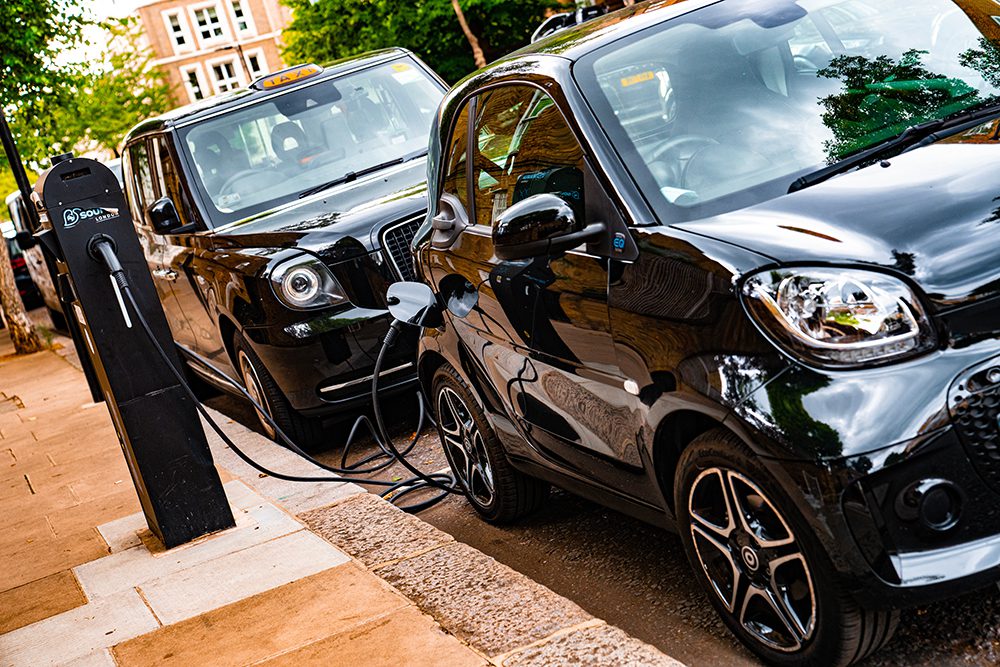
French multinational electric utility Engie has secured a significant public contract to substantially expand Belgium’s electric vehicle (EV) charging infrastructure. The landmark agreement tasks Engie with the installation and long-term operation of nearly 3,000 public EV charging points across the Wallonia region, marking a pivotal step in the country’s sustainable mobility agenda.
This initiative underscores the escalating demand for robust EV infrastructure as Europe accelerates its transition towards cleaner transportation. Engie’s latest commitment positions the company as a key enabler in facilitating widespread EV adoption, making electric driving more accessible and convenient for Belgian citizens.

Key Takeaways
- Engie has won a public contract to install and operate 2,926 EV charging points in the Belgian region of Wallonia.
- These new 22 kW AC charging stations will be distributed across 242 municipalities over the next two years.
- Engie, through its dedicated brand Engie Vianeo, will manage operations for a period of ten years.
- This contract follows a similar agreement signed in March for the Brussels-Capital Region, covering 1,640 charging points.
- Engie currently operates nearly 7,000 charging points across Belgium and aims to deploy 12,000 by 2028.
Belgium’s Growing EV Ecosystem Receives Major Boost
The burgeoning electric vehicle market in Belgium is witnessing an unprecedented push for expanded charging capabilities. Engie’s recent contract in Wallonia is a testament to this strategic focus, aiming to alleviate range anxiety and support the increasing number of EV drivers across the southern region of the country.
As governments and industries worldwide prioritize green transportation, investments in electric vehicle infrastructure are becoming crucial. Belgium, a strategically located nation in the heart of Europe, is keenly aware of the need to provide comprehensive charging solutions to its citizens and cross-border commuters alike.
A Strategic Investment in Wallonia’s Charging Infrastructure
Under the terms of the new agreement, Engie will be responsible for deploying 2,926 EV charging points. These are specified as AC (Alternating Current) charging stations, each offering a capacity of 22 kW per charging point. This capacity is particularly well-suited for public spaces, providing a significant power boost during typical parking durations, such as while shopping, working, or visiting public amenities.

The distribution strategy for these charging points is expansive, covering 242 municipalities throughout Wallonia. This widespread deployment aims to ensure that residents in both urban centers and more rural areas of the region have convenient access to reliable charging options. The installation phase is projected to span the next two years, indicating a rapid and concerted effort to bring the new infrastructure online.
Following installation, Engie, operating through its specialized brand Engie Vianeo, will undertake the management and maintenance of these public charging points for a substantial period of ten years. This long-term commitment is vital for ensuring the reliability, uptime, and optimal performance of the charging network, fostering trust among EV users.
Understanding the 22 kW AC Charging Standard
The selection of 22 kW AC charging points for widespread public deployment in Wallonia is a strategic choice. AC charging is typically found in homes, workplaces, and public slow/fast charging stations. A 22 kW charger can add a substantial amount of range to an EV battery in a few hours, making it ideal for locations where vehicles are parked for extended periods.
For context, a typical EV with a 50-60 kWh battery could fully charge from empty in approximately 2.5 to 3 hours using a 22 kW AC charger, provided the vehicle’s onboard charger can accept this power level. This type of charging infrastructure plays a complementary role to faster DC (Direct Current) charging stations, which are primarily designed for rapid top-ups during longer journeys.
Building on Previous Success: The Brussels-Capital Precedent
This latest triumph for Engie in Wallonia is not an isolated event but rather builds upon a series of strategic expansions within the Belgian market. The company had previously secured a similar, though slightly smaller, agreement in March for the Brussels-Capital Region.
That earlier contract involved the installation of 1,640 EV charging points, further solidifying Engie’s presence in Belgium’s most densely populated and strategically important urban center. The successive awarding of these major contracts highlights Engie’s proven expertise and competitive edge in developing and managing large-scale EV charging networks.
Engie’s Dominant Position in Belgian EV Infrastructure
With these new contracts, Engie is significantly enhancing its already substantial footprint in the Belgian EV charging landscape. The utility provider currently operates nearly 7,000 charging points across various regions of Belgium, encompassing both Flanders and the Brussels-Capital Region.
This extensive operational base makes Engie one of the leading players in the country’s electric vehicle infrastructure sector. Their experience in managing such a vast network provides a solid foundation for the successful implementation and long-term operation of the newly contracted charging points in Wallonia.
Regional Dynamics: Flanders, Wallonia, and Brussels
Belgium is administratively divided into three distinct regions: Flanders in the north, Wallonia in the south, and the Brussels-Capital Region, an enclave within Flanders. Each region possesses a degree of autonomy in various policy areas, including aspects of infrastructure development and environmental initiatives.
Engie’s engagement across all three regions – with existing operations in Flanders and Brussels, and now a major expansion in Wallonia – signifies a comprehensive approach to addressing the national demand for EV charging points. This integrated strategy is crucial for creating a seamless and interoperable charging experience for drivers traversing the country.
Ambitious Future: Engie’s 2028 Vision for E-Mobility
Looking ahead, Engie has articulated an ambitious strategic objective for its EV infrastructure development in Belgium. The company aims to deploy a total of 12,000 EV charging points across the nation by the year 2028.
This target reflects a strong commitment to supporting Belgium’s energy transition and aligns with broader European goals for reducing carbon emissions from the transport sector. Achieving this milestone would significantly bolster the accessibility and convenience of electric vehicle ownership, encouraging further adoption of zero-emission vehicles.
The Broader European Context and E-Mobility Goals
Engie’s expansion in Belgium is part of a larger European trend towards enhanced E-mobility. The European Union has set ambitious targets for the deployment of charging infrastructure and the reduction of transport emissions. Initiatives like the Alternative Fuels Infrastructure Regulation (AFIR) aim to ensure a sufficient and user-friendly public charging network across member states.
As a major utility provider, Engie operates across 27 countries in Europe and 48 worldwide, demonstrating its global expertise and commitment to sustainable energy solutions. Its extensive reach and integrated approach to energy provision position it uniquely to contribute significantly to Europe’s overall EV ecosystem development.
The Role of Public-Private Partnerships in EV Adoption
The awarding of public contracts to private companies like Engie for infrastructure development is a critical mechanism in accelerating EV adoption. Such public-private partnerships leverage the operational efficiency and technical expertise of the private sector while aligning with governmental objectives for public welfare and environmental sustainability.
These collaborations help de-risk large-scale infrastructure investments, streamline deployment processes, and ensure that charging networks are built to meet both current and future demand. The Belgian government’s decision to partner with Engie reflects confidence in the utility’s capacity to deliver on these complex and vital projects.
Impact on Consumers and the Environment
The addition of nearly 3,000 new public EV charging points in Wallonia will have a tangible positive impact on electric vehicle owners. Enhanced availability of charging options reduces stress for drivers, particularly those without home charging solutions or those embarking on longer trips within the region.
From an environmental perspective, a more robust charging infrastructure directly supports the growth of the EV fleet, contributing to a reduction in tailpipe emissions and improving air quality in urban and suburban areas. This aligns with national and international efforts to combat climate change and promote a cleaner, healthier environment for all.
Conclusion: Paving the Way for a Greener Future
Engie’s significant investment in Belgium’s EV charging infrastructure, particularly with the new Wallonia contract, marks a crucial milestone in the nation’s journey towards sustainable transportation. By deploying thousands of new public charging points and committing to long-term operations, Engie is not only facilitating current EV adoption but also laying the groundwork for future growth.
As the electric vehicle revolution gathers pace, collaborative efforts between government bodies and experienced utility providers like Engie will remain indispensable. This strategic expansion is a clear indicator of Belgium’s commitment to fostering a comprehensive and accessible electric mobility landscape, benefiting both its citizens and the global environment.
Frequently Asked Questions (FAQ)
What is the scope of Engie’s new contract in Wallonia?
Engie has secured a public contract to install and operate 2,926 new 22 kW AC EV charging points across 242 municipalities in Wallonia, Belgium. The installation will occur over two years, with Engie Vianeo managing operations for a decade.
What type of charging points will be installed, and what is their capacity?
The contract specifies the installation of AC (Alternating Current) charging stations, each with a capacity of 22 kW per charging point. These are suitable for public locations where vehicles are parked for several hours, providing efficient charging.
How does this contract relate to Engie’s other activities in Belgium?
This Wallonia contract follows a similar agreement signed in March for the Brussels-Capital Region, which covered 1,640 charging points. Engie already operates nearly 7,000 charging points across Belgium, including Flanders and Brussels, making it a key player in the national EV infrastructure.
What is Engie’s long-term goal for EV charging points in Belgium?
Engie has an ambitious target to deploy a total of 12,000 EV charging points across Belgium by the year 2028. This reflects the company’s commitment to supporting the country’s energy transition and promoting sustainable mobility.
Why is this expansion of EV charging points important for Belgium?
The expansion of EV charging points is crucial for accelerating electric vehicle adoption by reducing range anxiety and increasing convenience for drivers. It supports Belgium’s environmental goals by promoting zero-emission transportation and contributes to a cleaner, greener future.