
Key Takeaways (TL;DR)
- magniX has launched magniAIR, a 175 kW air-cooled electric engine designed for kit planes, light sport aircraft, and flight trainers.
- The engine boasts a class-leading 175 kW output at just 55 kg, offering a superior power-to-weight ratio compared to conventional piston engines in the 120–175 kW range.
- Integrated into a comprehensive magniX powertrain, including power electronics and the Samson battery, the magniAIR targets significant operational cost reductions and zero carbon emissions.
- The primary market focus is flight training, addressing rising costs and a global pilot shortage by providing a more economical and environmentally friendly alternative to aging 1970s-era training fleets.
- A demonstration flight in a Van’s Aircraft RV-10 kit plane is slated for late 2026, with commercial availability anticipated in 2027, initially targeting experimental and light sport aircraft certifications.
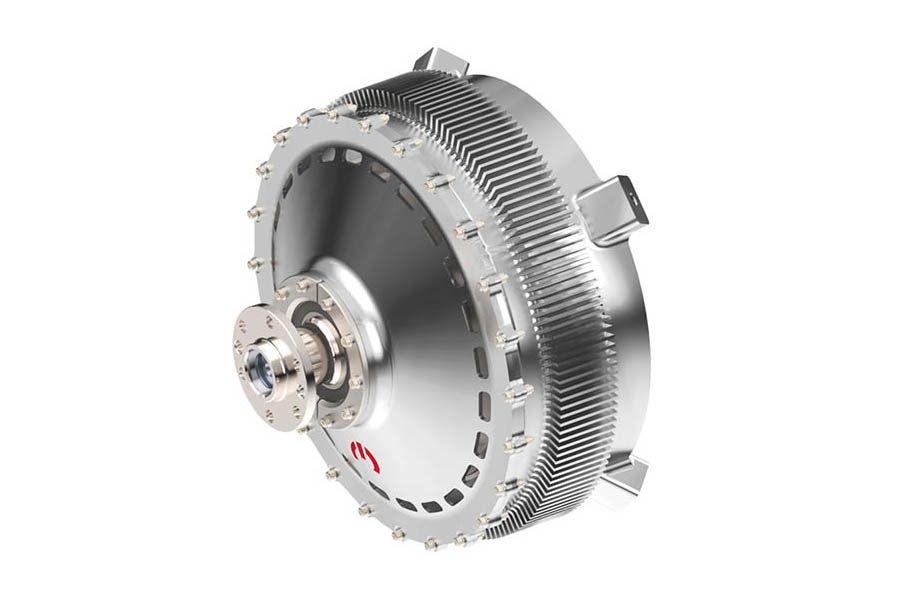
In a significant stride towards sustainable aviation, magniX, a pioneer in electric propulsion, has officially unveiled its latest innovation: the magniAIR. This advanced air-cooled electric engine, delivering a robust 175 kW of power while weighing a mere 55 kilograms, is poised to redefine performance and operational efficiency across critical segments of general aviation, particularly for kit planes, light sport aircraft, and electric flight trainers.

The introduction of the magniAIR represents a pivotal moment for smaller aircraft applications, offering what magniX claims is a class-leading power-to-weight ratio within its segment. Designed as a direct replacement for traditional piston engines typically found in the 120 to 175 kW power band, this new electric engine promises a blend of power, lightweight design, and environmental responsibility.
Revolutionising General Aviation Propulsion
The magniAIR stands out with its formidable specifications: a 175 kW output coupled with an exceptionally low weight of 55 kg. This combination translates into a power-to-weight ratio that is critical for the agility and performance required in general aviation applications. Air-cooling technology contributes to its lightweight design and simplified maintenance, distinguishing it from liquid-cooled counterparts often found in heavier applications.
This electric engine is not a standalone component but forms part of a complete, integrated magniX powertrain solution. This comprehensive system includes advanced power electronics and the company’s high-performance Samson battery, ensuring optimal synergy and efficiency from propeller to power source. Such an integrated approach simplifies installation and guarantees compatibility, offering a holistic solution for aircraft manufacturers and operators.

Pilot Project and Future Availability
To showcase the magniAIR’s capabilities, magniX is actively demonstrating the integrated powertrain configuration in a Van’s Aircraft RV-10 kit plane. This renowned four-seat experimental aircraft provides an ideal platform to validate the electric engine’s performance under real-world conditions. The maiden flight of this electrically powered RV-10 is eagerly awaited, with a scheduled timeline for later in 2026, marking a critical milestone in its development.
Following successful demonstration and further testing, the magniAIR engine is slated for commercial availability in 2027. Initial certification efforts are concentrated on the experimental and light sport aircraft categories, strategic segments that offer quicker adoption pathways for new aviation technologies, paving the way for broader market acceptance.
Addressing the Flight Training Imperative
The primary market angle for the magniAIR is the flight training sector, an area currently facing significant headwinds. The landscape of flight training has long been dominated by aging aircraft, with many in active service today having been manufactured as far back as the 1970s. These legacy aircraft, while robust, come with inherent challenges that are increasingly impacting the accessibility and affordability of pilot training.
Rising fuel prices and escalating maintenance costs associated with older piston engines are pushing the price of obtaining a pilot’s license higher than ever before. This financial burden emerges at a critical juncture for the aviation industry, which is grappling with a pronounced and growing shortage of qualified pilots globally. The economic viability of current training models is under severe pressure, necessitating innovative solutions.
Ben Loxton, VP of New Product Development at magniX, articulated the urgency of the situation, stating, “Many training aircraft in use today were manufactured in the 1970s. Fuel prices and maintenance costs are causing the cost of flight training to rise at the same time as the industry faces an acute shortage of pilots. magniAIR offers to reduce the expense of flight training and other small aircraft applications with a lower cost of operation, reduced maintenance, and zero carbon emissions.” This statement underscores the strategic intent behind the magniAIR, positioning it as a vital tool for overcoming current industry challenges.
The Impact of FAA MOSAIC Rules
Further bolstering the market potential for the magniAIR is the anticipated evolution of regulatory frameworks. The Federal Aviation Administration’s (FAA) pending Modernization of Special Airworthiness Certificates (MOSAIC) rules are expected to significantly widen the definition of light sport aircraft (LSA). This regulatory expansion could open up a plethora of additional use cases and market opportunities for the magniAIR, enabling its integration into a broader range of aircraft and applications.
The expanded LSA definition under MOSAIC would likely permit aircraft with higher performance capabilities and potentially greater seating capacity to qualify as light sport aircraft. This change is crucial for manufacturers like magniX, as it broadens the scope for electric propulsion systems to be adopted by a larger segment of the general aviation community, from recreational pilots to professional flight schools.
Economic and Environmental Advantages
The transition to an electric engine for general aviation, such as the magniAIR, offers compelling economic and environmental benefits. From an economic standpoint, the most immediate and impactful advantage is the significant reduction in operating costs. Electric motors typically require far less maintenance than their internal combustion counterparts, lacking complex mechanical components like spark plugs, oil systems, and fuel injectors that demand regular servicing or replacement.
Furthermore, the elimination of traditional aviation fuel entirely translates into substantial savings on volatile fuel expenses, a major component of aircraft operating budgets. This reduction in both maintenance and fuel costs directly contributes to lowering the overall expense of flight training, making it more accessible to a new generation of pilots and alleviating financial pressures on flight schools.
Environmentally, the magniAIR delivers zero carbon emissions during flight. This attribute is increasingly vital as the global aviation industry strives to meet ambitious sustainability targets. By offering a clean, emissions-free alternative for flight trainers and other small aircraft, magniX is contributing to a greener future for aviation, aligning with international efforts to combat climate change and reduce the carbon footprint of air travel.
magniX’s Vision for Electric Aviation
magniX has consistently been at the forefront of electric propulsion technology for aviation. Their commitment to innovation is evident in the development of the magniAIR, which builds upon their existing expertise in electric motor design and battery integration. The launch of this air-cooled electric engine reinforces their vision of transforming the aviation landscape through advanced, sustainable propulsion systems.
The company’s strategic focus on the flight training and light general aviation segments is a pragmatic approach to introduce electric flight on a wider scale. These sectors represent a significant volume of aircraft operations and offer a practical entry point for demonstrating the reliability and efficiency of electric propulsion before wider adoption in larger commercial or regional aircraft.
As the aviation industry continues its trajectory towards decarbonization, innovations like the magniAIR will play an indispensable role. By offering a high-performance, cost-effective, and environmentally responsible solution, magniX is not only addressing current challenges but also actively shaping the future of general aviation, making flight more accessible, affordable, and sustainable for generations to come. The scheduled first flight in 2026 and commercial availability in 2027 will be closely watched milestones for the entire electric aviation community.
Frequently Asked Questions (FAQ)
What is the magniAIR engine?
The magniAIR is a newly launched air-cooled electric engine by magniX, delivering 175 kW of power at a weight of 55 kg. It is designed to replace traditional piston engines in general aviation aircraft, specifically targeting kit planes, light sport aircraft, and electric flight trainers, offering a class-leading power-to-weight ratio.
What makes the magniAIR significant for general aviation?
Its significance lies in its combination of high power, low weight, and electric operation. It aims to reduce operational costs, lower maintenance requirements, and eliminate carbon emissions. This addresses critical issues like rising flight training costs and environmental impact, modernizing a sector largely reliant on aging, less efficient piston engines.
Which aircraft types is the magniAIR designed for?
The magniAIR is primarily aimed at kit planes, light sport aircraft (LSA), and electric flight trainers. It is designed to replace piston engines within the 120–175 kW range. Its initial certifications will focus on experimental and light sport aircraft categories, expanding its potential use cases.
How does the magniAIR address the pilot shortage and high training costs?
By offering a lower cost of operation through reduced fuel consumption (zero, in this case) and decreased maintenance needs, the magniAIR can significantly lower the overall expense of flight training. This makes pilot licensing more affordable and accessible, helping to mitigate the industry’s acute pilot shortage by encouraging new entrants.
When will the magniAIR be available for purchase?
magniX plans for the first flight demonstration in a Van’s Aircraft RV-10 kit plane to occur later in 2026. Following this, the magniAIR electric engine is expected to be available for purchase in 2027, initially targeting certifications for experimental and light sport aircraft.
What are the FAA MOSAIC rules and their impact on magniAIR?
The FAA’s pending MOSAIC (Modernization of Special Airworthiness Certificates) rules are anticipated to broaden the definition of light sport aircraft. This regulatory expansion is expected to create more opportunities and use cases for the magniAIR, allowing its integration into a wider variety of aircraft under the LSA classification.
What are the environmental benefits of using the magniAIR?
The primary environmental benefit of the magniAIR is its zero carbon emissions during operation. By replacing fuel-burning piston engines, it contributes significantly to reducing the aviation industry’s carbon footprint, aligning with global efforts towards sustainable and eco-friendly air travel and flight training.