
Key Takeaways
Recent experiences with a Kia EV9 and a Hyundai Ioniq 5 highlight significant challenges in electric vehicle reliability, specifically regarding battery performance. The Kia EV9 required a full high-voltage battery replacement, leading to extensive dealership visits and questioning the vehicle’s dependability. Meanwhile, the Hyundai Ioniq 5 suffered recurring 12V battery drainage issues, prompting concerns about its electrical system integrity. While these incidents represent rare occurrences given the broader electric vehicle market, they underscore the critical need for robust diagnostic and repair capabilities within dealer networks. Such firsthand accounts offer valuable insights for prospective EV buyers navigating the evolving landscape of electric vehicle ownership.
The automotive industry has witnessed two profound shifts over the past decade: the rapid evolution of electric vehicles (EVs) from niche curiosities to mainstream contenders, and the ascendancy of Hyundai Motor Group. Brands like Hyundai and Kia, alongside their luxury arm Genesis, have garnered accolades for their innovative EVs and commercially successful crossovers. This period of transformation has significantly reshaped consumer perceptions and purchasing decisions.

For many, the appeal of electric mobility, combined with the competitive offerings from Hyundai Motor Group, presented a compelling proposition. An experienced car journalist, reflecting on the market dynamics, opted for an all-electric, all-HMG strategy for their family’s vehicle upgrades in 2024. This included leasing a 2024 Hyundai Ioniq 5 SEL AWD and a 2024 Kia EV9 GT-Line, a decision influenced by favorable lease deals and an acknowledgment of the evolving EV resale market.
However, the journey into electric vehicle ownership, particularly concerning these critically acclaimed models, soon encountered unforeseen challenges. The initial enthusiasm was tempered by a series of battery-related issues affecting both vehicles, leading to prolonged downtimes and raising pertinent questions about electric vehicle reliability and service infrastructure. This comprehensive account details these experiences, offering a granular look into the practicalities of owning modern EVs.
Kia EV9’s Initial Setbacks and Extended Downtime
The Kia EV9, a highly anticipated addition to the electric SUV segment, promised a blend of luxury, efficiency, and space. Its distinctive design and family-friendly features initially impressed, earning unsolicited compliments and proving a pleasant drive with an engaging infotainment system. However, the operational reality of this promising vehicle soon diverged from expectations, beginning almost immediately after acquisition.

Early Complications with Cabin Features
Upon taking delivery of the new EV9 GT-Line, an attempt to install a child car seat revealed a functional flaw: the second-row relaxation chairs were immobile. Neither the folded seat would lift nor the upright one fold. This immediate issue prompted a return to the dealership the following morning.
Subsequent online research indicated this specific problem, particularly with the GT Line’s seats, was often linked to a flat 12V battery, an issue the salesperson had mentioned addressing by jumping the battery prior to pickup. While a software reset was identified as the solution, the diagnostic process and coordination with Kia’s central service hub extended the repair over approximately one week. This early experience foreshadowed the more significant challenges related to the vehicle’s electric vehicle reliability.
Escalating Traction Battery Malfunctions
For roughly 14 months following the initial repair, the EV9 performed adequately, accumulating about 11,000 miles, predominantly in city driving. The vehicle underwent routine maintenance and safety recalls. It was DC fast-charged twice and charged above 80% only once during a longer trip. This period of relative calm concluded abruptly on December 7, 2025.
During an overnight Level 2 home charge, the process ceased at 67%, accompanied by a critical red warning light indicating a problem with the battery system. By the time a dealership appointment became available four days later, the battery charge had diminished to 42% while the vehicle remained stationary. Diagnostics conducted by the service department confirmed the need for a new control module within the EV9’s battery management system, a part that required ordering.
The Lengthy Process of Battery System Replacement
The holiday season, coupled with personal health challenges, delayed follow-up on the part order. By December 29, 2025, the part had arrived, and a technician was assigned. However, the anticipated swift resolution did not materialize. The vehicle remained at the service center until January 9, 2026, nearly a full month after it was initially brought in for the battery system control module replacement.
This extended downtime highlighted not only the complexity of advanced EV repairs but also potential bottlenecks in the service infrastructure for new electric vehicles. Despite the repair, the vehicle’s battery issues were far from resolved, setting the stage for a more drastic intervention.
Coolant System Snags Post-Replacement
Just two months later, on March 16, 2026, another critical red battery error notification appeared. The EV9 was again taken to a Kia dealership on March 17, 2026. Following extensive diagnostics and consultation with Kia’s central service center, a conclusive diagnosis was made: the EV9 required a full high-voltage battery system replacement.
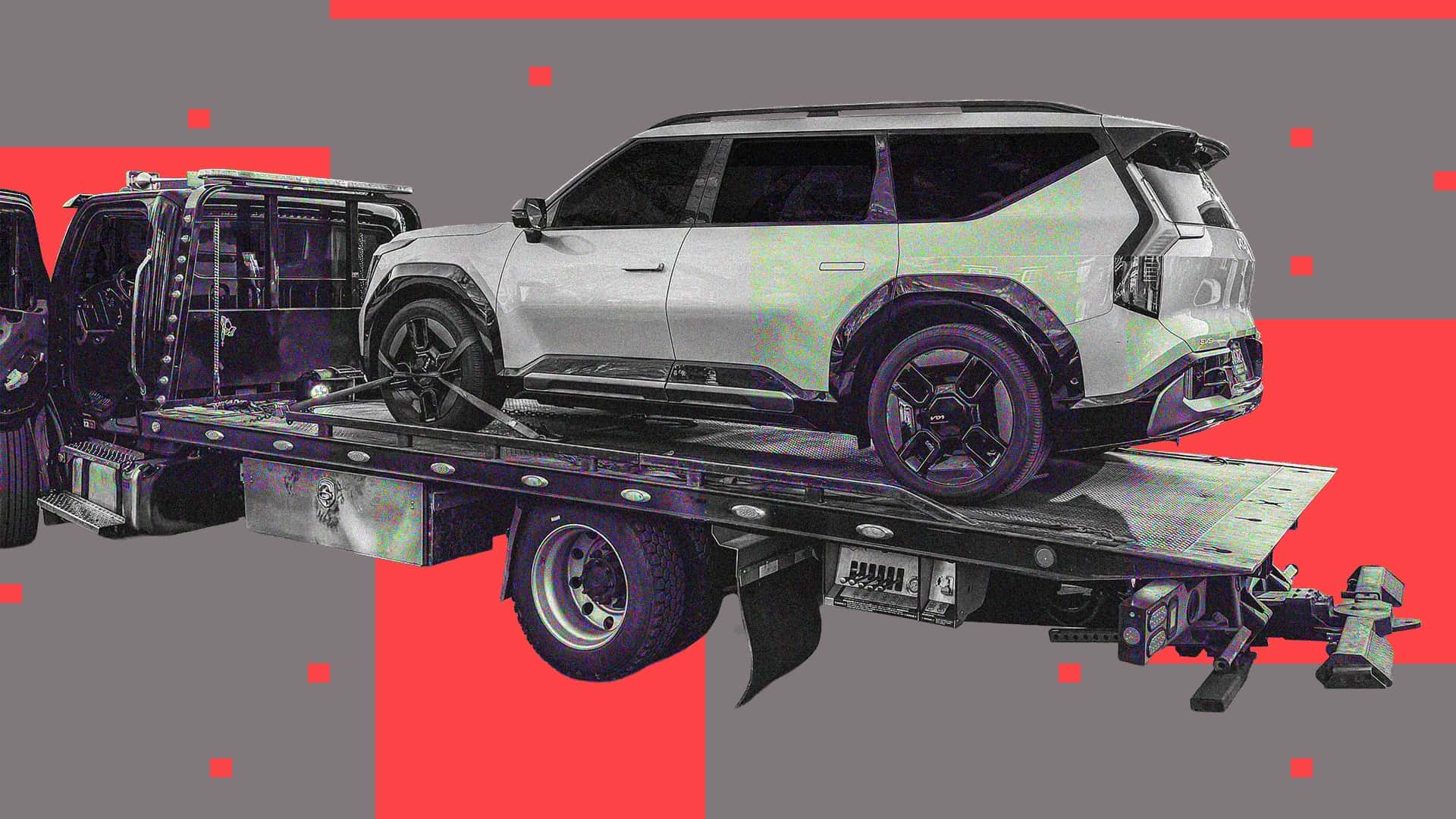
This substantial repair involved ordering and installing a new battery system, followed by the installation of a new fuse. The vehicle was declared ready for pickup on April 21, 2026. However, immediately after retrieval, an orange alert prompted a return to the dealership via tow truck to address a low battery system coolant level. The issue was attributed to air bubbles introduced during the coolant refill process post-battery installation. After draining and refilling the coolant system, the EV9 was finally returned on April 23, 2026, with no further battery indicator lights reported thus far, marking an end to an arduous series of repairs that significantly impacted the vehicle’s electric vehicle reliability.
Hyundai Ioniq 5’s Persistent 12V Battery Woes
Concurrently with the Kia EV9’s significant issues, the Hyundai Ioniq 5, a vehicle renowned for its innovative design and performance, developed its own set of persistent problems. These issues centered around the 12V battery, an essential component for starting the vehicle and powering auxiliary systems.
Unexpected Stranding on New Year’s Eve
The Ioniq 5’s troubles began on December 31, 2025, when it unexpectedly failed to start, effectively immobilizing it in a driveway. Despite the main traction battery holding a 42% charge, a vehicle-to-vehicle jump start attempt proved unsuccessful. It required Hyundai’s roadside assistance, equipped with a portable jump starter, to get the car operational approximately two hours later.
Initially, this incident was dismissed as a one-off, potentially stemming from parasitic drain during a period of inactivity. Proactive measures included purchasing a NOCO portable jump starter and consciously avoiding parking in situations that could lead to being stranded. However, the problem soon resurfaced.
Investigating the Root Cause of Power Drain
In subsequent weeks, the Ioniq 5’s 12V battery began to sporadically drain flat again, despite having covered only about 8,500 miles. The exact cause remained unclear, with possibilities ranging from “vampire draining”—a known issue for some Ioniq 5 models—to a failure in charging the 12V battery under specific operational conditions, or a defect within the battery itself.
These recurring issues with the 12V battery significantly impacted the car’s perceived electric vehicle reliability, transforming what should be a seamless ownership experience into one fraught with minor, yet impactful, inconveniences. The reliance on a portable jump starter, while mitigating immediate crises, underscored an underlying vulnerability.
Addressing Recall Information and Lease End Considerations
A Hyundai spokesperson suggested the 12V battery issue might be linked to a faulty integrated charging control unit (ICCU) fuse, a component subject to a 2024 recall. The vehicle owner confirmed that all known recalls, including an inspection of the ICCU, had been performed after leasing the vehicle in May 2024. Despite this, the possibility remained that the fuse could have failed subsequent to the inspection. If this were the case, Hyundai would typically cover the repair under warranty.
Given that the vehicle’s lease was nearing its end, embarking on potentially extensive repairs for the Ioniq 5’s 12V battery issue was not a preferred option. The strategy shifted to managing the inconvenience with the portable jump starter and ensuring the vehicle remained on a charger when at home. This approach, while pragmatic, highlighted the practical challenges owners face when significant issues arise towards the end of a lease term, further influencing perceptions of electric vehicle reliability.
Contextualising EV Battery Reliability Across the Industry
The challenges experienced with both the Kia EV9 and Hyundai Ioniq 5 represent significant individual ownership hurdles. However, it is crucial to place these incidents within the broader context of electric vehicle reliability across the industry. While specific data from Kia regarding failure rates for its EVs or responses to the detailed issues encountered were not available, general industry statistics offer perspective.
According to the latest available data, the replacement rate for EV batteries in new electric cars since 2022 stands at a remarkably low 0.3%. This statistic suggests that widespread, catastrophic battery failures are exceptionally rare. Applying this average to Kia’s sales figures for the EV9—with 22,017 units sold in the U.S. in 2024—would imply that approximately 66 of these vehicles might require battery replacement. This situates the described EV9 experience as an outlier rather than a common occurrence.
Despite the rarity, these individual experiences underscore that while electric vehicle reliability continues to improve, there can be notable exceptions. For the affected owner, the statistical unlikelihood offers little solace when grappling with extensive repairs and significant vehicle downtime. Such incidents highlight the importance of robust warranty coverage and efficient service networks capable of handling complex EV components, even for a small percentage of vehicles.
Rethinking Future EV Commitments
The prolonged and multifaceted issues experienced with both the Kia EV9 and the Hyundai Ioniq 5 have inevitably led to a re-evaluation of future electric vehicle commitments for the family. While the allure of EVs remains, the practical realities of ownership have introduced a more cautious perspective on electric vehicle reliability and brand loyalty.
Evaluating Hyundai Motor Group’s Electric Offerings
The decision to consider another Hyundai EV in the future remains complicated. Previous positive experiences with multiple Hyundai vehicles and a favorable relationship with a local dealership are factors weighing in its favor. Aside from the persistent 12V battery issue, the Ioniq 5’s only other notable flaw for the owner was the need to replace flimsy stock windshield wipers. This suggests that the core platform and driving experience are generally positive, yet the battery issues present a significant hurdle to overall electric vehicle reliability.
Shifting Family Needs and Charging Infrastructure Gaps
The immediate replacement for the Ioniq 5 was a 2025 Toyota 4Runner hybrid, a move that, on paper, appears to be a departure from electric vehicles. However, this decision was primarily driven by evolving family needs rather than a complete rejection of EVs. The family’s newfound interest in skiing, coupled with the critically underdeveloped charging infrastructure in Northern Michigan, rendered long-distance winter travel in an EV impractical due to significant range loss in cold weather. Having at least one vehicle capable of quick refueling with gasoline became a practical necessity, highlighting the current limitations of EV adoption in certain geographical and use-case scenarios.
The Search for Dependable Alternatives
Despite these challenges, the preference for an EV as the second family car persists. However, the uncertainty surrounding vehicle availability in the coming year and a half, due to numerous cancellations and delays in the EV market, complicates future planning. One certainty is that the replacement for the EV9 will not be another EV9.
The experiences have eroded trust in its long-term electric vehicle reliability, irrespective of the statistical rarity of the issues. Furthermore, the perceived inability of Kia’s dealer network in Southeast Michigan to adequately support the quality of its cars has become a significant deterrent. Consequently, the family is now inclined towards brands with established reputations for quality, durability, and reliability, with particular interest in upcoming models like the new Toyota Highlander EV.
Frequently Asked Questions (FAQ)
What specific battery issues affected the Kia EV9?
The Kia EV9 initially experienced problems with its 12V battery causing cabin features to malfunction, followed by a critical red warning light indicating a main traction battery system issue that ultimately required a full high-voltage battery replacement and a new fuse, leading to extended service visits.
What challenges did the Hyundai Ioniq 5 face regarding its battery?
The Hyundai Ioniq 5 consistently encountered issues with its 12V battery draining flat, leading to unexpected immobilization. While potential causes include vampire drain or a faulty integrated charging control unit (ICCU) fuse, the recurring nature of the problem raised concerns about its overall electric vehicle reliability.
Are these battery issues common for Kia and Hyundai EVs?
According to industry data, the replacement rate for EV batteries in new electric cars since 2022 is approximately 0.3%. While these individual experiences are significant, they represent a statistically rare occurrence within the broader electric vehicle market, suggesting widespread issues are not common.
How did the dealership network handle the EV repairs?
The repair processes for both vehicles involved multiple dealership visits and prolonged downtimes, with the Kia EV9 requiring nearly a month for a control module replacement and additional time for a full battery system swap. These experiences highlight varying levels of efficiency and communication within service networks.
Did the owner consider the 2024 ICCU recall for the Ioniq 5?
Yes, the owner had performed all known recalls, including an inspection of the ICCU, after leasing the vehicle. However, it was suggested that the fuse might have failed after the inspection, which Hyundai would typically cover if confirmed.
What implications do these experiences have for future EV purchases?
These challenges have led to a cautious approach towards future EV acquisitions. While the preference for an EV remains, the owner plans to avoid another EV9 due to reliability concerns and will prioritize brands with a strong reputation for durability, such as Toyota, for upcoming purchases.