
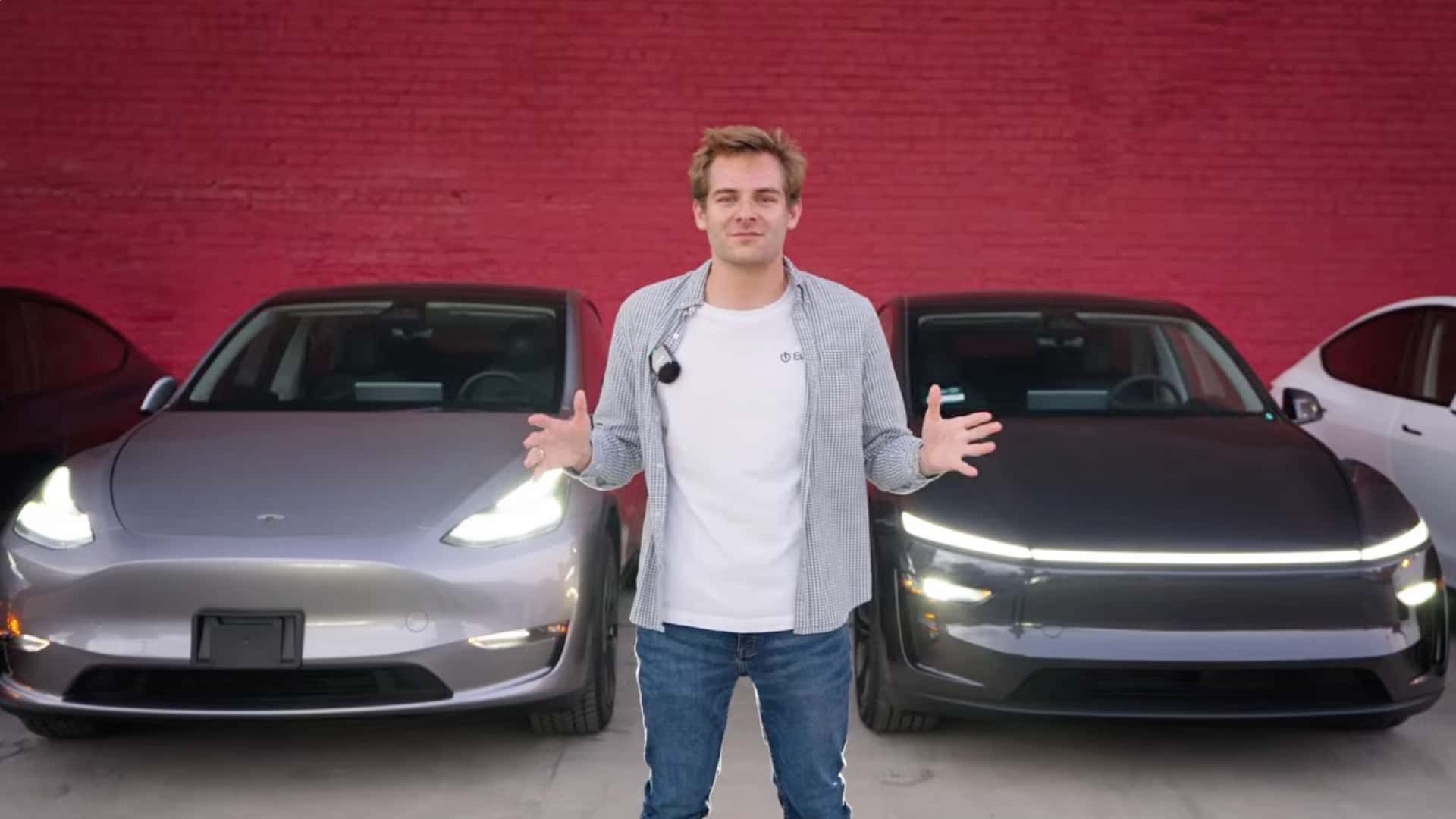
Since its market introduction, the Tesla Model Y, a pivotal electric crossover SUV in the automotive landscape, has undergone a series of significant, albeit often subtle, transformations. While a comprehensive official refresh, dubbed ‘Juniper,’ only materialised last year for the 2026 model, the intervening years witnessed a continuous stream of iterative updates and tweaks. These modifications, ranging from interior appointments to crucial battery and hardware upgrades, collectively narrate the evolving story of Tesla’s best-selling electric vehicle (EV).
Key Takeaways
- The Tesla Model Y received numerous incremental updates between its 2020 launch and the 2026 ‘Juniper’ refresh.
- Early models featured a premium interior with heated seats in both rows and a 15-speaker sound system, but lacked a heated steering wheel.
- Window construction varied, with early 2020 builds having single-pane windows, later shifting to dual-pane for enhanced cabin quietness.
- The 2021 model year introduced increased range, a matte centre console, and a heated steering wheel, though some later builds omitted passenger lumbar support.
- 2022 saw the debut of the Standard Range All-Wheel Drive with 4680 battery cells, noted for its unusually slow charging speeds below 30% state of charge.
- Hardware 4, essential for the latest Full Self-Driving (FSD) capabilities, arrived in 2023, alongside software-locked Standard Range options that offered unlockable additional mileage.
- The 2026 ‘Juniper’ refresh brought substantial cosmetic and functional overhauls, including new front and rear designs and dual-pane windows throughout the vehicle.
The journey of the Tesla Model Y, from its initial rollout in 2020 to the anticipated 2026 ‘Juniper’ refresh, illustrates a continuous cycle of engineering adjustments and feature integration. These changes, documented meticulously by experts, provide invaluable insights for prospective buyers and current owners alike, highlighting how a seemingly static model year can, in reality, hide a multitude of evolving specifications.

To unravel this complex evolution, Andrew Lambrecht, a longtime InsideEVs contributor and certified EV geek, conducted an exhaustive comparison across every Model Y iteration. His detailed analysis, captured in a recent video on the Ever YouTube channel, sheds light on the surprising depth of these ongoing product refinements. This expert perspective underscores that despite the absence of a headline-grabbing ‘new generation’ announcement for several years, the Tesla Model Y consistently adapted and improved.
2020: The Inaugural Model Year and Early Refinements
The original 2020 Tesla Model Y, upon its debut, immediately established itself as a formidable contender in the rapidly growing electric SUV segment. All initial variants came equipped with what Tesla designated as a premium interior. This sophisticated cabin package encompassed key comfort features, most notably heated seats for both the front and rear occupants, ensuring a comfortable experience across all seasons. Complementing this was a robust 15-speaker sound system, designed to deliver an immersive audio experience for all passengers.
However, the earliest 2020 Model Y vehicles presented a few distinctions that set them apart from subsequent builds. A notable absence was a heated steering wheel, a feature that would become standard in later model years, particularly valued in colder climates. Furthermore, the centre console in these inaugural models was finished in glossy black plastic, a design choice that proved susceptible to fingerprints and minor scratches. Perhaps one of the most intriguing, and less obvious, distinctions for the 2020 Model Y involved its window construction. Early production units featured single-pane windows, a standard automotive practice. Yet, in a mid-year production shift, Tesla transitioned to dual-pane windows, particularly for the front, enhancing cabin acoustics and thermal insulation – a subtle but impactful improvement for occupant comfort and overall refinement in this electric crossover.

2021: Range Expansion and Interior Enhancements
The 2021 model year brought targeted enhancements to the Tesla Model Y, primarily focusing on improving its operational capabilities and refining its interior aesthetics. A key improvement for many potential electric vehicle buyers was a modest increase in the vehicle’s overall range, directly addressing one of the core considerations for EV adoption. This boost in driving autonomy made the Model Y even more competitive within its segment.
In a brief, experimental move, Tesla also introduced a short-lived Standard Range version during 2021, which was available for approximately one month. This variant offered a lower entry price point, albeit with reduced range, demonstrating Tesla’s continuous exploration of different market segments and pricing strategies for its electric vehicles. Internally, the 2021 Model Y received a significant aesthetic and functional upgrade: an updated matte finish for the centre console. This change not only provided a more contemporary look but also addressed the wear and tear issues associated with the glossy plastic of the previous year. Crucially, the 2021 Model Y also saw the introduction of a heated steering wheel, a highly requested feature that significantly enhanced driver comfort, especially in colder environments. However, a less positive mid-year adjustment for some consumers was the removal of passenger lumbar support in later 2021 builds. This detail is particularly important for buyers of used vehicles or those with specific ergonomic needs for passengers, highlighting the subtle nature of Tesla’s rolling changes.
2022: Introducing New Battery Technology and Suspension Adjustments
The 2022 model year marked a significant chapter in the Tesla Model Y’s evolution, particularly with the introduction of new battery technology. Tesla unveiled the Standard Range All-Wheel Drive (AWD) variant, which notably incorporated the much-anticipated 4680 battery cells. These larger, tabless cells were expected to offer improvements in energy density and manufacturing efficiency. However, the initial implementation of the 4680 cells in this particular Model Y variant encountered unexpected performance characteristics.
As observed by Andrew Lambrecht and other automotive experts, this version of the Tesla Model Y exhibited unusually slow charging speeds, especially when the battery’s state of charge exceeded approximately 30%. In such scenarios, the charging rate consistently dipped below 100 kW, which is considered sluggish for a Tesla vehicle, given the brand’s reputation for rapid Supercharging capabilities. This characteristic became a point of concern for owners accustomed to faster charging cycles. Beyond battery innovations, the 2022 Model Y also saw further refinements to its interior. Later models from this year benefited from updated interior accents, including the integration of wood trim on the door cards, adding a touch of premium aesthetic to the cabin. Furthermore, an important safety enhancement was implemented: the addition of manual backup releases for the rear doors, providing an alternative means of exit in emergency situations. In response to long-standing feedback regarding ride quality, some 2022 Model Y units were also equipped with a ‘comfort suspension.’ This modification aimed to mitigate the often-criticized stiff ride that had consistently ‘dogged’ the Model Y, offering a smoother and more compliant driving experience. This attention to ride dynamics reflected Tesla’s efforts to address owner feedback and enhance the overall refinement of the electric SUV.
2023: Hardware Advancements and Flexible Range Options
The 2023 model year brought crucial technological advancements to the Tesla Model Y, predominantly centered around its foundational computing architecture. This period marked the integration of Hardware 4 (HW4), a next-generation computing platform vital for enabling the most advanced iterations of Tesla’s Full Self-Driving (FSD) system. For buyers prioritising future-proof autonomy and enhanced driver-assist capabilities, the presence of HW4 became a critical differentiator, offering improved processing power and sensor capabilities over previous hardware versions.
Beyond the hardware upgrade, 2023 also saw the reintroduction of a Standard Range option for the Tesla Model Y, but with an intriguing twist. These vehicles were, in essence, equipped with the same physical battery packs as their longer-range counterparts. However, their full capacity was software-locked, meaning a portion of the battery’s potential range was electronically restricted. This innovative approach presented a unique opportunity for consumers: the option to pay Tesla a fee to unlock additional range, potentially up to 50 miles, post-purchase. This ‘software-locked’ strategy positioned these Standard Range models as a potential ‘sleeper deal’ for astute buyers. It offered the inherent benefits of a larger battery pack’s durability and charging characteristics, with the flexibility to expand the vehicle’s range as needed or as budget allowed. This represented a dynamic shift in how range was offered and accessed within the Tesla Model Y lineup, blending hardware commonality with software-defined functionality for its electric vehicle offerings.
2024 and 2025: Incremental Updates Paving the Way
In the lead-up to its major refresh, the 2024 and 2025 model years of the Tesla Model Y continued to see incremental updates. These changes, while individually minor, collectively underscored Tesla’s philosophy of continuous product improvement rather than adhering to rigid annual model cycles. Such subtle enhancements often included software optimisations, minor interior material revisions, or production efficiencies, all aimed at enhancing the user experience or streamlining manufacturing processes. These years served as a transitional phase, building upon the established platform while gradually integrating smaller advancements that would pave the way for a more significant overhaul.
2026: The ‘Juniper’ Refresh Marks a New Chapter
The most anticipated and substantial update for the Tesla Model Y arrived in the form of the 2026 ‘Juniper’ refresh. This overhaul represented a more comprehensive redesign than the preceding incremental changes, signaling a renewed commitment to aesthetic and functional modernization for the popular electric crossover. The ‘Juniper’ refresh introduced distinct new front and rear fascias, integrating contemporary design elements such as updated light bars, which not only refreshed the vehicle’s visual identity but also likely incorporated advancements in lighting technology.
A significant enhancement across the ‘Juniper’ Model Y was the adoption of dual-pane windows throughout the entire vehicle. This comprehensive upgrade, extending beyond the front windows of earlier models, is expected to provide substantial improvements in cabin insulation, significantly reducing road noise and enhancing thermal efficiency. Beyond these prominent changes, the ‘Juniper’ refresh also encompassed a ‘whole slew’ of other modifications, as detailed by Andrew Lambrecht, affecting various aspects of the vehicle’s interior, aerodynamics, and potentially, its underlying architecture. These extensive updates mark a new chapter for the Tesla Model Y, positioning it competitively for the evolving demands of the electric vehicle market with a refreshed design and enhanced features.
Implications for Buyers: Navigating the Model Y’s Evolution
The continuous, often subtle, evolution of the Tesla Model Y presents a unique challenge and opportunity for prospective buyers. Understanding the year-to-year and even month-to-month changes is crucial for making an informed purchase decision, particularly in the robust used EV market. For instance, a buyer prioritising cabin quietness would ideally seek a Model Y with dual-pane windows, which became more prevalent in later 2020 builds and standard across the 2026 ‘Juniper’ refresh. Similarly, those who value a heated steering wheel or specific lumbar support features will need to carefully scrutinise the build date and specifications of any potential vehicle.
The performance characteristics also vary, such as the slower charging of the 2022 Standard Range AWD with 4680 cells, which might influence long-distance travel considerations. Conversely, the 2023 software-locked Standard Range models represent a compelling value proposition, offering upgradable range on demand. For tech-forward buyers, ensuring the presence of Hardware 4 in 2023+ models is paramount for accessing the latest FSD capabilities. This intricate web of updates means that simply choosing a ‘Model Y’ is insufficient; buyers must delve into the specific vintage and its unique set of features and limitations to align with their personal preferences and driving requirements.
Conclusion: A Dynamic Legacy of Innovation
The six-year journey of the Tesla Model Y, from its 2020 introduction to the impending 2026 ‘Juniper’ refresh, is a testament to Tesla’s dynamic approach to product development. Far from remaining static, this electric SUV has undergone a continuous process of refinement, addressing feedback, integrating new technologies, and adapting to manufacturing capabilities. These subtle, yet impactful, changes highlight an ongoing commitment to enhancing the user experience and improving vehicle performance within the competitive electric vehicle market. For enthusiasts and prospective owners, understanding this detailed evolution is key to appreciating the Model Y’s enduring appeal and its position as a leading electric crossover.
Frequently Asked Questions About the Tesla Model Y
What were the most significant early changes to the Tesla Model Y?
Early 2020 Model Ys featured a premium interior, including heated front and rear seats, and a 15-speaker sound system. Notably, a shift occurred from single-pane to dual-pane windows mid-production, improving cabin quietness. Initially, the steering wheel was not heated, and the centre console was glossy black.
How did the Model Y’s interior evolve in its initial years?
In 2021, the Model Y received an updated matte finish for its centre console and gained a heated steering wheel. However, later 2021 builds saw the discontinuation of passenger lumbar support. The 2022 models further refined the interior with wood trim on the door cards and added manual backup releases for the rear doors.
What impact did 4680 cells have on the 2022 Model Y Standard Range AWD?
The 2022 Standard Range All-Wheel Drive Model Y, featuring 4680 cells, was noted for unusually slow charging speeds. It consistently charged below 100 kW once the battery reached approximately 30% state of charge, which was a point of concern for some owners.
Why is Hardware 4 important for newer Tesla Model Y vehicles?
Hardware 4 (HW4), introduced in 2023, is crucial because it provides the necessary computing power and enhanced sensor capabilities to run the latest and most advanced versions of Tesla’s Full Self-Driving (FSD) software, offering improved autonomy features.
Can a software-locked Tesla Model Y gain more range?
Yes. The 2023 Standard Range Model Y, which came with the same battery as longer-range versions but was software-locked, allowed owners to pay Tesla a fee to unlock additional range, potentially up to 50 extra miles, providing flexibility for buyers.
What defines the ‘Juniper’ refresh for the Tesla Model Y?
The 2026 ‘Juniper’ refresh for the Model Y introduced significant cosmetic and functional changes. Key updates included new front and rear designs with updated light bars, and the adoption of dual-pane windows throughout the entire vehicle for enhanced noise reduction and thermal insulation.
How does the Model Y’s evolution affect its value?
The continuous, iterative updates mean that the value of a Tesla Model Y can vary significantly by model year and even specific build dates. Features like dual-pane windows, heated steering wheels, lumbar support, and the presence of Hardware 4 can influence desirability and resale value for potential buyers in the used EV market.