
Key Takeaways:
- The used electric vehicle (EV) market is currently experiencing an anomalous surge in prices, diverging from traditional depreciation patterns.
- This trend is reminiscent of the unusual automotive market conditions observed around 2021, when supply chain disruptions led to inflated used car values.
- Factors contributing to the rising cost of pre-owned EVs include sustained high fuel prices, increasing consumer awareness of EV benefits, and a growing selection of quality used models.
- The discontinuation of new EV tax credits has significantly shifted budget-conscious buyers from new leases and purchases to the more accessible used EV segment.
- While boosting overall EV adoption, the robust used EV market may concurrently pose a challenge to new EV sales, prompting automakers to reassess their strategies and even cancel previously planned models.
The global automotive industry, particularly the electric vehicle segment, continues to navigate a landscape marked by unpredictable shifts and evolving consumer behaviour. Around 2021, the market witnessed an extraordinary period where deeply snarled supply chains, widespread factory shutdowns, and a critical shortage of semiconductor chips collectively inflated the value of used cars to unprecedented levels. Instances of lightly used vehicles fetching prices exceeding the Manufacturer’s Suggested Retail Price (MSRP) of brand-new models were not uncommon, primarily due to the severe scarcity of new inventory.

As the immediate crisis of that era gradually subsided and supply chains began to normalise, a sense of market equilibrium started to return. However, the EV sector is now grappling with a new set of dynamics, presenting its own peculiar market anomalies. A notable trend observed across the industry is the unexpected appreciation in the value of used electric vehicles, defying the conventional economic principle of depreciation that typically governs pre-owned automobiles.
This reversal is particularly striking given that electric vehicles have historically been associated with significant depreciation rates. Market observers, for instance, note a significant appreciation in the value of certain pre-owned models, with a two-year-old Chevrolet Bolt, for instance, now commanding prices upwards of $20,000. This upward trajectory in used EV pricing raises critical questions about its underlying causes and potential ramifications for the broader electric vehicle market.
Historical Context: Unprecedented Market Shifts
The automotive market’s capacity for unexpected turns was profoundly demonstrated in the early 2020s. The onset of the pandemic triggered a cascade of disruptions, from labour shortages to critical component deficits, most notably semiconductors. This confluence of factors severely impacted new vehicle production, leading to historically low inventories at dealerships.

In response to this supply-demand imbalance, the value of pre-owned vehicles surged dramatically. Consumers, unable to secure new models, turned to the used car market, driving prices upwards. This period highlighted the interconnectedness and fragility of global supply chains and illustrated how external shocks can fundamentally alter market dynamics.
The Rise of Pre-Owned Electric Vehicles
Against this backdrop, the current trajectory of the used EV market presents a fresh paradox. Unlike their internal combustion engine counterparts, electric vehicles have traditionally faced steeper depreciation. This was often attributed to rapidly advancing battery technology, range anxiety concerns, and evolving charging infrastructure, which made older models seem less appealing over time.
However, recent data indicates a significant shift, with pre-owned electric cars not only holding their value but, in many cases, experiencing price increases. This phenomenon is attracting considerable attention from industry analysts and consumers alike, signalling a maturing market and evolving perceptions of electric vehicle ownership.
Unpacking the Drivers Behind the Surge
Several interconnected factors are widely believed to be contributing to this unexpected appreciation in the value of used electric vehicles:
Fuel Costs and Consumer Awareness
One primary driver is the sustained period of elevated gasoline prices. High fuel costs serve as a constant reminder for consumers about the operational savings offered by electric vehicles, pushing a broader demographic beyond traditional EV enthusiasts to consider greener alternatives. This extends beyond those who closely follow EV market trends, encompassing everyday consumers seeking more economical transportation options.
Moreover, there’s a growing public awareness and acceptance of electric vehicles as practical and reliable modes of transport. As more diverse and higher-quality EV models enter the market, consumers are increasingly recognising the long-term benefits of electric mobility, including reduced emissions and lower running costs. This improved perception is translating into higher demand for both new and used EVs.
Expanding Availability and Quality
The increasing variety of electric vehicles available on the market, coupled with advancements in battery technology and overall vehicle performance, means that used EVs are now a more compelling proposition than ever before. Unlike earlier generations, many pre-owned electric cars offer respectable range, improved charging speeds, and a generally more refined driving experience.
This expansion in choice and quality makes the used EV segment more attractive to a wider range of buyers, including those who may have previously been hesitant to consider electric vehicles. The growing inventory of well-maintained, relatively modern used EVs provides an accessible entry point into electric mobility for many.
The Incentive Landscape Shift
A critical factor influencing the dynamics of the used EV market is the significant alteration in government incentives for new electric vehicles. Over the past few years, various federal and state-level tax credits made new EV leases and purchases surprisingly affordable for a broad segment of buyers.
The expiration or reduction of many of these new EV incentives has fundamentally changed the affordability equation. Consequently, many budget-conscious consumers who previously might have opted for a new EV lease or purchase are now finding the pre-owned market to be a more financially viable alternative. This includes individuals exiting previous leases, who are now faced with potentially much higher monthly payments for a new lease or the strategic decision to purchase a used electric car, a choice many are increasingly making.
Implications for the Broader EV Ecosystem
The robust performance of the used EV market has multifaceted implications for the automotive industry as a whole:
Boost for EV Adoption, Challenge for New Sales
On one hand, the thriving used EV market is undoubtedly beneficial for accelerating the broader adoption of electric vehicles. By making EVs more accessible and affordable, it encourages more consumers to transition away from gasoline-powered cars, contributing to environmental goals and expanding the overall EV footprint.
However, this surge in demand for pre-owned electric cars also presents a notable challenge for the new EV market. Excellent used options are now directly competing with brand-new models, potentially diverting sales away from manufacturers. This competition could exacerbate the struggles already observed in the new EV segment, particularly in markets where growth has slowed.
Automaker Strategy Adjustments
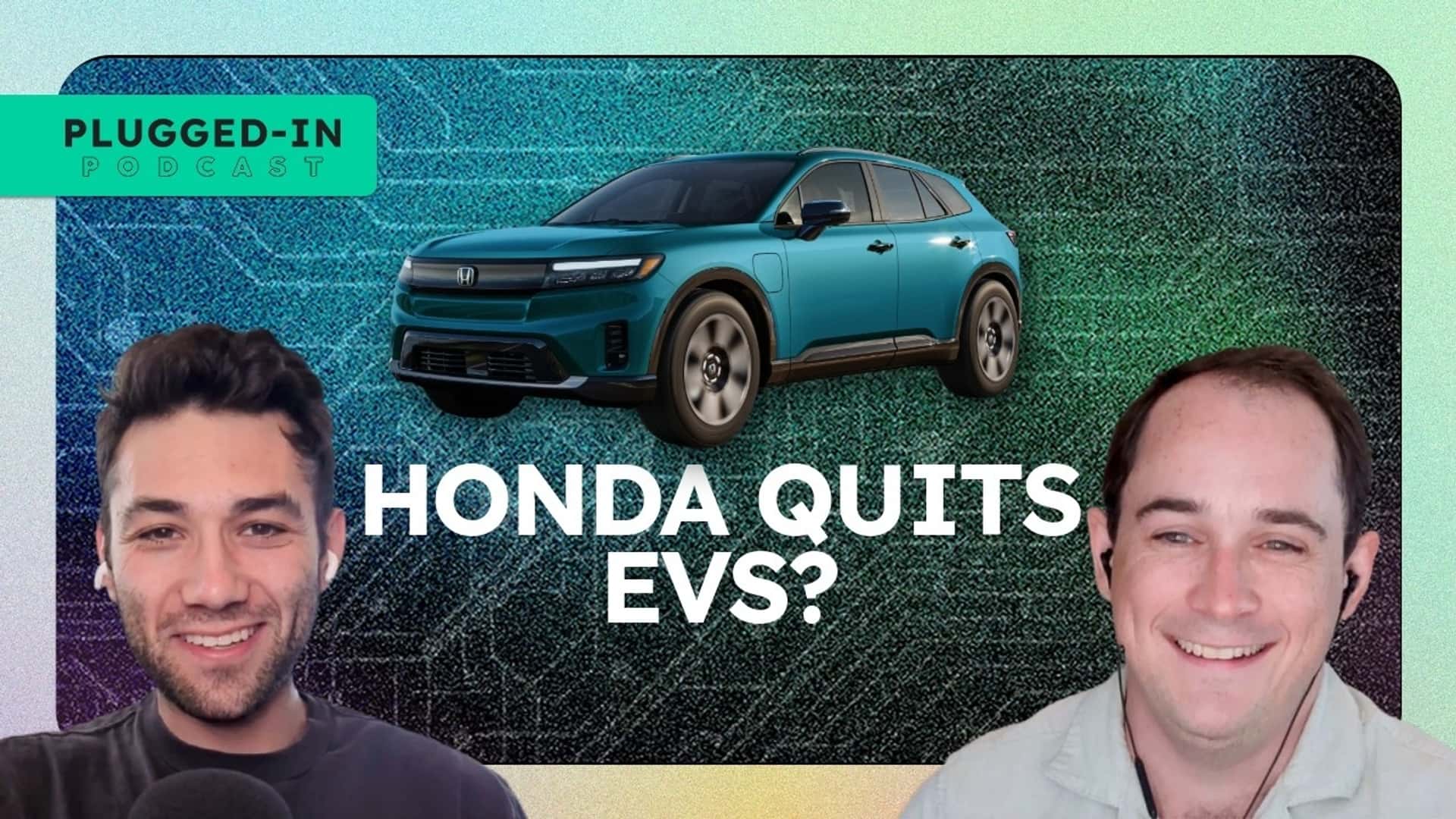
The intensified competition from the used EV market may compel automakers to re-evaluate their production schedules, pricing strategies, and model lineups. Instances like the reported cancellation of models, such as the Honda Prologue, suggest that manufacturers are already adjusting their plans in response to evolving market conditions and the powerful competitive pull of pre-owned options. The “EV-leasing bonanza” of recent years, while initially boosting new sales, may inadvertently be creating a formidable used market that now competes directly with current new offerings.
Charting the Future of the Electric Vehicle Market
As the electric vehicle industry continues to mature, these complex dynamics between the new and used markets will be crucial to monitor. The current upward trend in used EV prices, fuelled by shifting consumer preferences and policy changes, underscores a period of significant transition. Understanding these interplays is essential for stakeholders across the automotive value chain, from manufacturers and dealerships to policy makers and consumers, as the industry charts its course through this intricate market landscape.
Frequently Asked Questions (FAQ)
Why are used EV prices increasing now?
Used EV prices are rising due to a combination of factors including high gasoline prices making electric cars more attractive, increased consumer acceptance and demand, a greater selection of quality pre-owned EV models, and the reduction or removal of new EV purchase incentives, driving buyers towards the used market.
How does this trend compare to traditional car depreciation?
This trend is unusual because used EVs have historically depreciated more rapidly than gasoline cars. The current increase in prices, or at least a significant slowing of depreciation, marks a departure from conventional automotive market dynamics where older models typically lose value consistently.
Is the demand for used EVs outstripping new EV sales?
Market data indicates that used EV sales are hitting record highs, while the new EV market has experienced some struggles. This suggests that the demand for pre-owned electric vehicles is currently very strong, potentially even outpacing the growth rate of new EV purchases in certain segments.
What impact do tax credits have on the used EV market?
The expiration or reduction of tax credits for new EV purchases makes new models less affordable for many consumers. This shifts budget-conscious buyers towards the more economically viable used EV market, directly contributing to increased demand and, consequently, higher prices for pre-owned electric vehicles.
How does this affect automakers and their new EV models?
The robust used EV market creates strong competition for new EV sales. Automakers might face challenges in selling their latest models if consumers find compelling and more affordable options in the pre-owned segment. This can lead to strategic adjustments, including rethinking production volumes or even canceling planned models, like the Honda Prologue example.
Is this a permanent shift in the used EV market?
It is difficult to predict with certainty if this is a permanent shift. Market dynamics are influenced by numerous variables, including future fuel prices, evolving technology, new incentive structures, and global supply chain stability. These trends require continuous monitoring to understand their long-term implications for the electric vehicle ecosystem.