
Key Takeaways
- California’s Energy Commission (CEC) has announced new funding of $55.2 million for public EV fast charging infrastructure across the state.
- The funding is part of the California Electric Vehicle Infrastructure Project (CALeVIP) and will be distributed through two upcoming incentive windows under the Fast Charge California Project.
- The first window (October 7, 2026 – January 14, 2027) offers up to 100% coverage for eligible installation costs, capped at $100,000 per DC fast charging port.
- The second window (February 24, 2027 – May 27, 2027) provides similar coverage, up to $55,000 per port, for chargers with a minimum output of 150 kW.
- Priority for incentives will be given to projects located in tribal areas, disadvantaged communities, and low-income areas to ensure equitable access to EV infrastructure.
- Applicants must have ‘ready-to-build’ projects, complete with final utility service design and necessary permits, to qualify for the funding.
- CALeVIP has a strong track record, having previously awarded $54 million for over 1,200 fast-charging ports and supported more than 10,500 charger installations statewide.
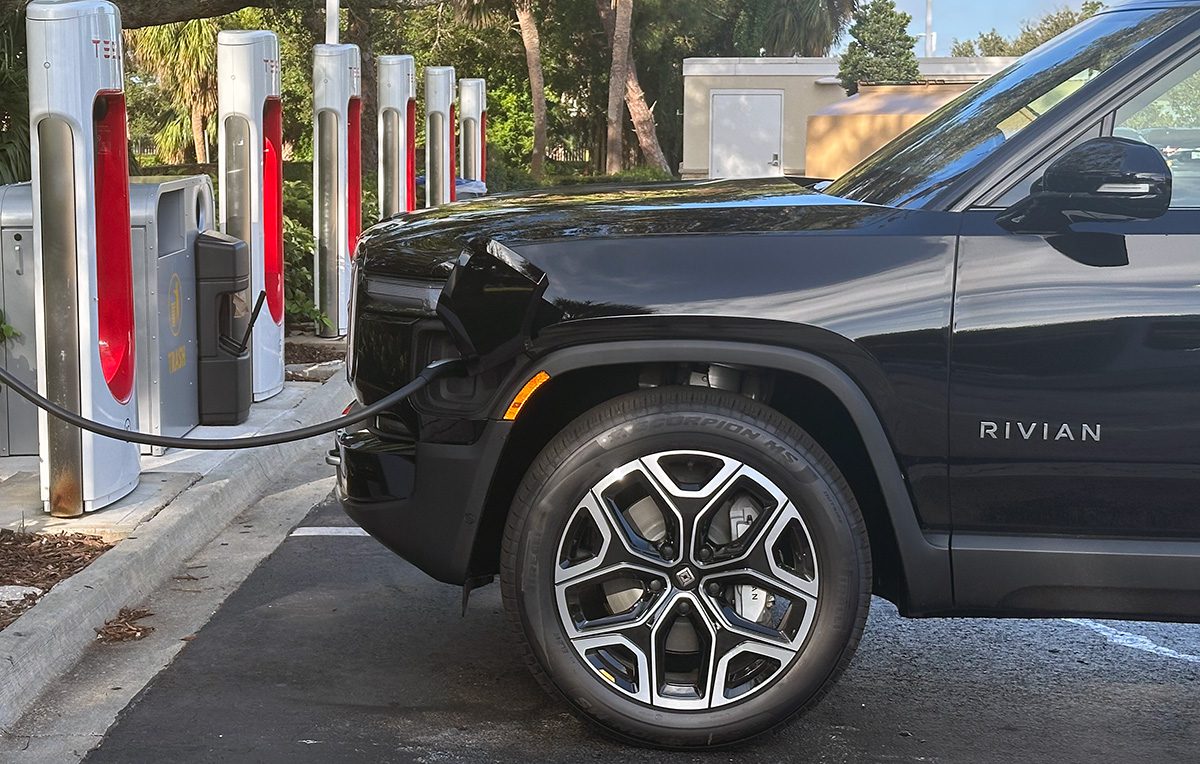
SACRAMENTO, California – In a significant move to accelerate the adoption of electric vehicles (EVs) and bolster its ambitious clean transportation goals, the California Energy Commission (CEC) has announced a substantial allocation of $55.2 million in new funding. This critical investment is earmarked specifically for the expansion of public EV fast charging infrastructure across the state, signaling California’s unwavering commitment to sustainable mobility.
The funding, channeled through the well-established California Electric Vehicle Infrastructure Project (CALeVIP), aims to dramatically enhance the accessibility and reliability of charging options for a rapidly growing base of EV drivers. It represents a strategic step in ensuring that California’s EV ecosystem can adequately support future demand and environmental objectives.

CALeVIP’s Strategic Initiative: Fast Charge California
The newly announced capital injection will be made available through the Fast Charge California Project, a key component of CALeVIP. This initiative is designed to provide robust financial incentives to site owners and project developers, enabling them to transition their planned charging projects into operational installations with greater ease and speed.
By offering targeted support, CALeVIP seeks to remove financial barriers that often hinder the development of essential electric vehicle infrastructure. The program focuses on facilitating the deployment of direct current (DC) fast chargers, which are crucial for reducing charging times and making long-distance EV travel more convenient and viable for consumers.
Two Strategic Incentive Windows for Accelerated Deployment
The $55.2 million funding will be distributed across two distinct incentive windows, providing multiple opportunities for eligible projects to secure financial backing. This phased approach allows for structured deployment and ensures that a broad range of ready-to-build projects can benefit from the support.
The first incentive window is scheduled to open from October 7, 2026, and will remain active until January 14, 2027. During this period, successful applicants can receive incentives that cover up to 100% of their eligible installation costs for DC fast chargers. These incentives are capped at an impressive $100,000 per charging port, offering substantial financial relief for developers.
Following this, a second incentive window will open from February 24, 2027, through May 27, 2027. This subsequent phase will also offer incentives covering up to 100% of eligible installation costs for DC fast chargers. The cap for this window is set at $55,000 per charging port, with a specific requirement that the chargers must have a minimum output of 150 kW, emphasizing the focus on high-speed charging solutions.
Ensuring Equitable Access and Strategic Placement
A core principle guiding the allocation of these funds is the commitment to equitable access to electric vehicle charging infrastructure. To qualify for these incentives, all charging sites must be publicly accessible and adhere strictly to program requirements, ensuring widespread community benefit.
Significantly, priority for receiving these incentives will be given to projects situated in tribal areas, disadvantaged communities, and low-income areas. This targeted approach is vital for bridging infrastructure gaps and ensuring that the transition to electric vehicles is inclusive, benefiting all Californians, irrespective of their socio-economic status or geographic location.
Eligible sites for these fast chargers are diverse and strategically chosen to maximize impact. They include local businesses, public facilities, high-traffic destinations such as shopping centers and entertainment venues, and critical locations situated along key travel routes, including highways and major corridors. This ensures convenience for daily commuters and long-haul travelers alike.
Rigorous Eligibility: The ‘Ready-to-Build’ Mandate
To streamline the deployment process and ensure efficient use of funds, applicants are required to have ‘ready-to-build’ projects before submitting their applications. This stringent criterion means that projects must have completed essential preliminary steps, including a final utility service design and the acquisition of all necessary permits.
This requirement underscores the CEC’s dedication to facilitating immediate installation and operational readiness, minimizing delays, and accelerating the expansion of California EV charging infrastructure. Comprehensive eligibility requirements and detailed application procedures will be made available on the official CALeVIP website, serving as a primary resource for prospective applicants.
CALeVIP’s Proven Track Record and Future Vision
The Fast Charge California Project builds upon a foundation of significant prior successes. To date, CALeVIP’s initial window of the Fast Charge California Project has already awarded $54 million. This funding has directly supported the development of more than 1,200 ‘ready-to-build’ fast-charging ports spread across 35 counties throughout California.
Collectively, the broader CALeVIP program has played a pivotal role in funding and supporting more than 10,500 charger installations across the state. This impressive track record highlights the program’s effectiveness in catalyzing EV infrastructure growth and demonstrates its capacity to deliver on ambitious targets.
Spencer Reeder, Director of the CEC’s Fuels Transportation Division, articulated the strategic importance of this ongoing investment. “Expanding access to reliable and convenient fast charging is essential to support California’s growing number of EV drivers and keep the state on track toward its clean transportation goals,” Reeder stated. He further emphasized, “CALeVIP has been pivotal in bringing chargers to communities and travel corridors that need them most, while making it easier for businesses and site hosts to get their chargers installed and operational.”
This latest funding round reinforces California’s leadership in fostering a robust and accessible electric vehicle charging network, crucial for achieving its long-term environmental sustainability targets and ensuring a cleaner, greener future for its residents. The concerted effort to expand EV fast charging infrastructure positions California as a global leader in sustainable transportation development.
Frequently Asked Questions About California’s EV Fast Charging Funding
What is the total new funding announced by the California Energy Commission?
The California Energy Commission (CEC) has announced $55.2 million in new funding specifically for the deployment of public EV fast charging infrastructure across the state. This investment underscores California’s ongoing commitment to expanding its electric vehicle network and supporting its clean transportation goals.
How will the $55.2 million in funding be distributed?
The funding will be distributed through two upcoming incentive windows under CALeVIP’s Fast Charge California Project. These windows are scheduled for October 2026 to January 2027, and February 2027 to May 2027, offering multiple opportunities for project developers and site owners to apply for incentives.
What are the key differences between the two incentive windows?
The first window offers incentives up to $100,000 per DC fast charging port, covering up to 100% of eligible installation costs. The second window provides incentives up to $55,000 per port, also covering up to 100% of eligible costs, but requires chargers to have a minimum output of 150 kW.
Which types of communities will receive priority for this funding?
Priority for receiving these vital incentives will be given to projects that are located within tribal areas, disadvantaged communities, and low-income areas. This strategic focus aims to ensure equitable access to essential electric vehicle infrastructure across all Californian communities.
What are the main eligibility requirements for applicants?
To qualify for the incentives, charging sites must be publicly accessible and meet specific program requirements. Crucially, applicants must have ‘ready-to-build’ projects, meaning they need to have a final utility service design and all required permits secured before applying.
What is CALeVIP’s past performance in deploying EV chargers?
CALeVIP has a strong track record, having previously awarded $54 million through its Fast Charge California Project, supporting over 1,200 fast-charging ports across 35 counties. In total, the CALeVIP program has facilitated more than 10,500 charger installations throughout California, significantly boosting the state’s EV infrastructure.