
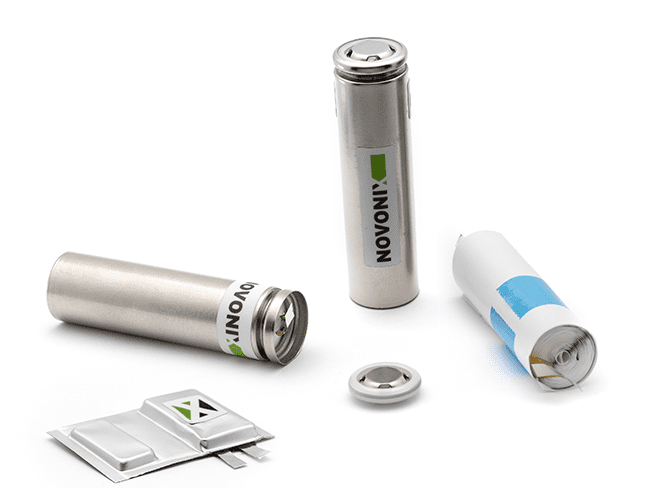
In a significant stride towards fortifying the North American electric vehicle (EV) battery supply chain, NOVONIX, a leading developer and supplier of high-performance synthetic graphite anode materials, announced on June 19, 2026, the delivery of a mass production qualification sample—termed a “C-sample” in the rigorous automotive supply chain—of its synthetic graphite anode active material (AAM) to Panasonic Energy. This milestone represents a crucial step in establishing a robust, US-sourced battery anode supply for Panasonic’s expansive cell manufacturing operations.
The achievement is particularly noteworthy as NOVONIX confirms this C-sample to be the first known synthetic graphite AAM produced within North America. This development holds immense strategic importance given that the production of synthetic graphite, the predominant anode material essential for lithium-ion batteries, is currently heavily concentrated in China. A domestically produced C-sample, therefore, signals substantial progress towards greater supply chain independence for the United States’ burgeoning EV sector.

Key Takeaways (TL;DR)
- NOVONIX has delivered a ‘C-sample’ of its synthetic graphite anode active material (AAM) to Panasonic Energy.
- This marks a critical step towards establishing a US-sourced, domestic battery anode supply chain.
- It represents the first known synthetic graphite AAM C-sample produced in North America.
- The initiative aims to reduce reliance on current foreign supply chains, predominantly from China.
- Formal validation by Panasonic is ongoing, with mass production anticipated to commence in the second half of 2027, subject to successful qualification.
A Landmark in Domestic Battery Material Production
The delivery of this C-sample underscores a pivotal moment for both NOVONIX and the broader effort to localize key components of EV battery manufacturing. For years, the global EV industry has grappled with the geographic concentration of critical battery material production, making efforts towards diversification and domestic sourcing increasingly urgent.
This development by NOVONIX directly addresses concerns about geopolitical risks and supply chain vulnerabilities, aiming to foster a more resilient and secure foundation for electric vehicle production in the region. The ability to produce high-quality synthetic graphite AAM on North American soil positions the continent more firmly in the global competition for EV dominance.
Understanding the “C-Sample” Milestone in Automotive Supply Chains
In the highly regulated and quality-driven automotive industry, the term “C-sample” denotes a critical stage in the product development and qualification process. It stands distinct from earlier stages, which include “A-samples” (initial development samples used for concept verification and basic testing) and “B-samples” (prototype samples used for functional testing and initial validation).
A C-sample signifies a mass production-intent sample, meaning it is produced using the actual manufacturing processes, equipment, and materials intended for full-scale commercial production. This stage allows automotive manufacturers like Panasonic to thoroughly evaluate the material’s performance, consistency, and reliability under conditions that closely mimic final product manufacturing and end-use applications. It’s a comprehensive assessment designed to ensure the material meets all specified technical, quality, and performance criteria for integration into battery cells for electric vehicles.
The Critical Role of Synthetic Graphite in EV Batteries
Synthetic graphite serves as the dominant anode material in the vast majority of lithium-ion batteries, including those powering electric vehicles. Its properties, such as high energy density, excellent cycle life, and reliable performance, make it indispensable for modern EV applications. The anode is a crucial component where lithium ions are stored during charging and released during discharge, enabling the flow of electricity.
The manufacturing process for synthetic graphite is complex and energy-intensive, requiring specialized facilities and expertise. Traditionally, this production has been concentrated in East Asia, particularly China, which has established a significant lead in both capacity and technological advancement. This geographic concentration has led to significant reliance on a single region for a critical EV component, prompting strategic initiatives in other parts of the world to develop domestic production capabilities.
Driving North American Supply Chain Independence
The imperative to secure a domestic supply chain for EV battery materials has gained considerable traction in recent years. Governments and industry leaders across North America are investing heavily in initiatives aimed at localizing mining, processing, and manufacturing of critical battery components. This strategic push is driven by a confluence of factors, including national security concerns, economic benefits, and environmental considerations.
By bringing synthetic graphite anode production to North America, companies like NOVONIX are directly contributing to the continent’s ability to build electric vehicles from locally sourced materials. This not only mitigates risks associated with international trade disruptions but also fosters job creation, technological innovation, and economic growth within the region. The move aligns with broader governmental policies designed to promote domestic manufacturing and reduce reliance on overseas suppliers for strategic goods.
The Path Ahead: Validation and Mass Production
While the delivery of the C-sample marks a substantial achievement, it is not the final hurdle. NOVONIX has indicated that its internal testing confirms the material meets Panasonic’s stringent specifications. However, formal validation remains subject to Panasonic’s own comprehensive assessment, which is expected to unfold over the coming months.
This rigorous evaluation phase is critical for ensuring that the synthetic graphite AAM performs consistently and reliably under Panasonic’s specific manufacturing processes and battery designs. NOVONIX has reaffirmed its earlier guidance, projecting that mass production for Panasonic is expected to commence in the second half of 2027. This timeline is, however, contingent upon the successful and satisfactory completion of Panasonic’s meticulous qualification process.
Industry Implications and Future Outlook
This development by NOVONIX holds significant implications for the future of EV battery manufacturing in North America. It demonstrates the tangible progress being made in establishing a vertically integrated supply chain, from raw materials to finished battery cells. For Panasonic Energy, securing a North American source for a critical anode material reduces logistical complexities and enhances supply reliability, crucial for scaling up its battery production to meet the accelerating demand for electric vehicles.
“The delivery of a mass production C-sample to Panasonic is an important moment for NOVONIX and for the development of a secure North American battery materials supply chain,” stated CEO Mike O’Kronley. He further emphasized the broader vision, adding, “We are now one step closer to realizing a fully domestic supply chain in the US.” This sentiment resonates across the industry, highlighting the strategic importance of such partnerships in shaping the future landscape of electric mobility.
The successful qualification and subsequent mass production of this synthetic graphite AAM could pave the way for other battery component manufacturers to localize their operations, fostering a more self-sufficient and robust North American EV ecosystem.
Frequently Asked Questions (FAQ)
What is a C-sample in automotive supply?
A C-sample is a mass production-intent sample in the automotive supply chain, produced using final manufacturing processes. It undergoes thorough evaluation by the customer to ensure it meets all specifications before full-scale commercial production.
Why is synthetic graphite important for EV batteries?
Synthetic graphite is the dominant anode material in lithium-ion batteries, crucial for electric vehicles. It offers high energy density, excellent cycle life, and stable performance, enabling efficient charging and discharging of the battery.
What is the significance of NOVONIX’s C-sample delivery to Panasonic?
This delivery marks the first known North American-produced synthetic graphite AAM C-sample. It is a critical step towards establishing a domestic, secure battery anode supply for Panasonic, reducing reliance on foreign supply chains.
Where is most synthetic graphite currently produced?
The global production of synthetic graphite, a key material for lithium-ion battery anodes, is currently heavily concentrated in China, making efforts to diversify supply chains strategically important for other regions.
When is NOVONIX expected to begin mass production for Panasonic?
NOVONIX anticipates commencing mass production of its synthetic graphite anode material for Panasonic in the second half of 2027, contingent upon the successful completion of Panasonic’s formal qualification process.
What are the benefits of a domestic battery supply chain?
A domestic battery supply chain enhances national security, reduces geopolitical risks, stabilizes material costs, creates local jobs, and fosters technological innovation, supporting the growth of the electric vehicle industry within the region.
What does “AAM” stand for?
In the context of battery materials, AAM stands for Anode Active Material. This refers to the core material within the anode that participates in the electrochemical reactions, storing and releasing lithium ions during battery operation.