
Key Takeaways:
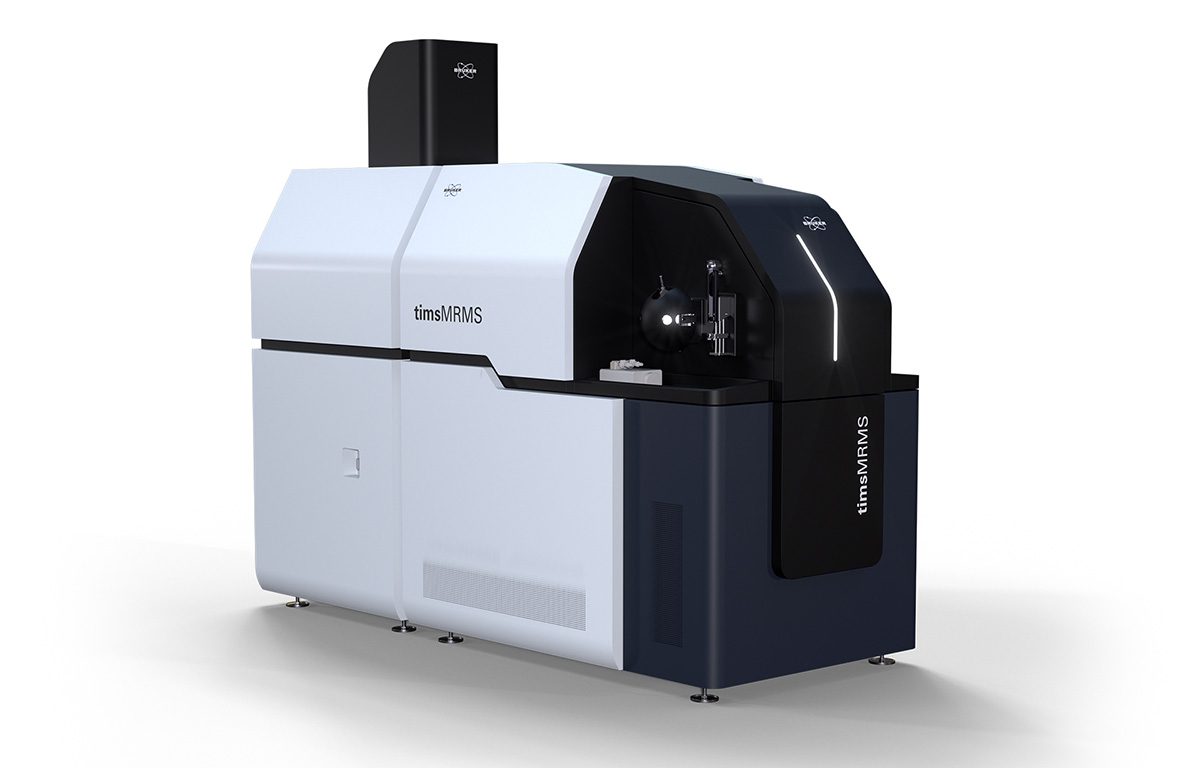
- Bruker has launched the timsMRMS, an advanced mass spectrometry platform for analyzing complex molecular mixtures.
- The system integrates trapped ion mobility spectrometry (TIMS) with magnetic resonance mass spectrometry (MRMS).
- It enables unprecedented molecular-level analysis of next-generation battery electrolytes and solid-electrolyte interphase (SEI) degradation.
- The timsMRMS addresses significant challenges in characterizing the chemical complexity of battery materials, crucial for improving lifespan and safety.
- With a resolution exceeding 10 million and sub-parts-per-million mass accuracy, it provides critical insights for energy research, including alternative fuels.
Revolutionising Molecular Analysis for Next-Gen Energy Solutions
In a significant development for advanced materials science and energy research, Bruker has officially launched its groundbreaking timsMRMS platform. This innovative mass spectrometry system represents a leap forward in the ability to characterise the ultra-complex molecular mixtures intrinsic to next-generation battery materials and burgeoning alternative fuels. Its introduction is poised to provide researchers with an unparalleled level of detail in understanding critical chemical processes.

The timsMRMS platform is engineered to combine two powerful analytical techniques: trapped ion mobility spectrometry (TIMS) and magnetic resonance mass spectrometry (MRMS). This synergistic integration allows for multi-dimensional separation and identification of molecular components within highly intricate samples, addressing long-standing analytical challenges in critical fields like battery development.
Unlocking the Secrets of Battery Electrolytes and SEI
For researchers dedicated to advancing battery technology, the timsMRMS offers a transformative capability. It enables deep molecular-level analysis of electrolyte formulations, which are fundamental to a battery’s performance and longevity. Crucially, the platform also provides detailed insights into the degradation mechanisms of the solid-electrolyte interphase (SEI).
The SEI is a thin, passivating layer that forms on the anode surface during the initial charge cycles of a battery. Despite its microscopic thickness, the SEI plays an outsized role in determining a battery’s capacity fade, overall safety profile, and operational lifespan. Its stability and composition are paramount for sustained battery performance.

Traditionally, gaining a precise understanding of the SEI’s exact composition and how it evolves under various cycling conditions has presented formidable challenges. Conventional mass spectrometry tools have often fallen short due to the extreme chemical complexity inherent in these battery interfaces. The dynamic and heterogeneous nature of the SEI demands analytical precision that can differentiate subtle molecular changes.
The timsMRMS directly tackles this analytical bottleneck. By providing enhanced resolution and sensitivity, it allows scientists to meticulously map the molecular architecture of the SEI, identify degradation products, and observe changes that occur over time. This granular data is vital for designing more durable and efficient battery chemistries.
Advanced Specifications for Unprecedented Clarity
Central to the timsMRMS platform’s advanced capabilities are its exceptional technical specifications. The system boasts an impressive resolution of greater than 10 million, a figure that places it at the forefront of analytical precision in mass spectrometry. This ultra-high resolution is complemented by sub-parts-per-million mass accuracy.
Such extreme accuracy is critical for unequivocally identifying molecular species, even within highly convoluted samples. Furthermore, the platform’s ability to perform isotope fine structure identification adds another layer of specificity, allowing researchers to distinguish between compounds with identical nominal masses but different elemental compositions or isotopic distributions. This level of detail is indispensable for untangling the complex chemical processes occurring within battery cells.
Bridging the Gap in Energy Research
The applications of the timsMRMS extend beyond battery technology, offering significant advantages for the analysis of alternative fuels and biofuels. These energy sources often involve similarly complex mixtures, requiring sophisticated analytical tools to optimise their production, efficiency, and environmental impact. The platform’s ability to thoroughly characterise such materials will accelerate research and development in sustainable energy domains.
Dr. Paul Speir, Senior Vice President, Global MRMS Business at Bruker, underscored the significance of this new offering. He stated, “Many application areas in energy research present extreme levels of chemical diversity that are incredibly challenging. With the timsMRMS, we are equipping energy researchers with a complete unique tool that provides greater clarity and confidence in characterizing the extreme chemical complexity of next-generation batteries and alternative fuels.” His remarks highlight Bruker’s commitment to empowering scientific discovery in critical energy sectors.
The integration of TIMS and MRMS technologies provides a multi-dimensional approach to chemical separation. TIMS separates ions based on their size, shape, and charge, adding a crucial dimension of separation before high-resolution mass analysis by MRMS. This combined approach significantly reduces spectral congestion, enhancing the detection and identification of trace components that would otherwise be obscured in complex matrices.
Advancing Sustainable Technologies
The launch of the timsMRMS platform marks a pivotal moment for materials scientists and chemists worldwide. As the global demand for efficient energy storage and cleaner fuels intensifies, the need for robust analytical tools capable of deciphering the intricate chemistry behind these technologies becomes paramount. Bruker’s new system provides just such a tool, promising to accelerate the pace of innovation in electric vehicle engineering and broader sustainable energy initiatives.
By enabling a deeper, more precise understanding of battery degradation pathways and the molecular composition of emerging fuels, the timsMRMS is expected to contribute directly to the development of safer, longer-lasting batteries and more effective, environmentally friendly energy solutions. This advancement is crucial for overcoming current technological hurdles and paving the way for a more sustainable energy future.
Frequently Asked Questions (FAQs)
What is the primary function of Bruker’s timsMRMS platform?
The timsMRMS platform’s primary function is to perform ultra-high-resolution mass spectrometry analysis on incredibly complex molecular mixtures. It combines trapped ion mobility spectrometry (TIMS) with magnetic resonance mass spectrometry (MRMS) to offer unparalleled detail in characterizing materials crucial for next-generation energy technologies, particularly in battery and biofuel research.
How does timsMRMS specifically benefit battery research?
In battery research, timsMRMS allows for detailed molecular-level analysis of electrolyte formulations and the solid-electrolyte interphase (SEI). It helps researchers understand the SEI’s composition and how it degrades during cycling. This insight is vital for improving battery capacity fade, enhancing safety, and extending the overall lifespan of electric vehicle batteries.
What makes the SEI challenging to analyse with conventional methods?
The solid-electrolyte interphase (SEI) is extremely challenging to analyse due to its inherent chemical complexity and dynamic nature. It comprises various organic and inorganic compounds that evolve during battery operation, making it difficult for conventional mass spectrometry tools to provide the necessary resolution and accuracy to identify and quantify all its molecular components effectively.
What are the key technical specifications of the timsMRMS?
The timsMRMS platform boasts impressive technical specifications designed for high-precision analysis. It offers a resolution exceeding 10 million, ensuring fine discrimination of molecular species. Additionally, it provides sub-parts-per-million mass accuracy and includes isotope fine structure identification capabilities, which are essential for unambiguous molecular characterization in complex samples.
Beyond batteries, what other applications does timsMRMS support?
Beyond its significant impact on battery technology, the timsMRMS platform is also highly beneficial for biofuel analysis and other alternative fuel research. These fields similarly involve the characterization of highly complex molecular mixtures. The platform’s advanced capabilities enable detailed insights into the composition and properties of these emerging energy sources, aiding their development and optimisation.
How does combining TIMS and MRMS enhance analytical capabilities?
The combination of trapped ion mobility spectrometry (TIMS) and magnetic resonance mass spectrometry (MRMS) significantly enhances analytical capabilities by providing multi-dimensional separation. TIMS separates ions based on their size, shape, and charge before they enter the MRMS, which then provides ultra-high resolution mass analysis. This pre-separation reduces spectral congestion and improves the detection and identification of trace components within highly complex samples.