
KEY TAKEAWAYS
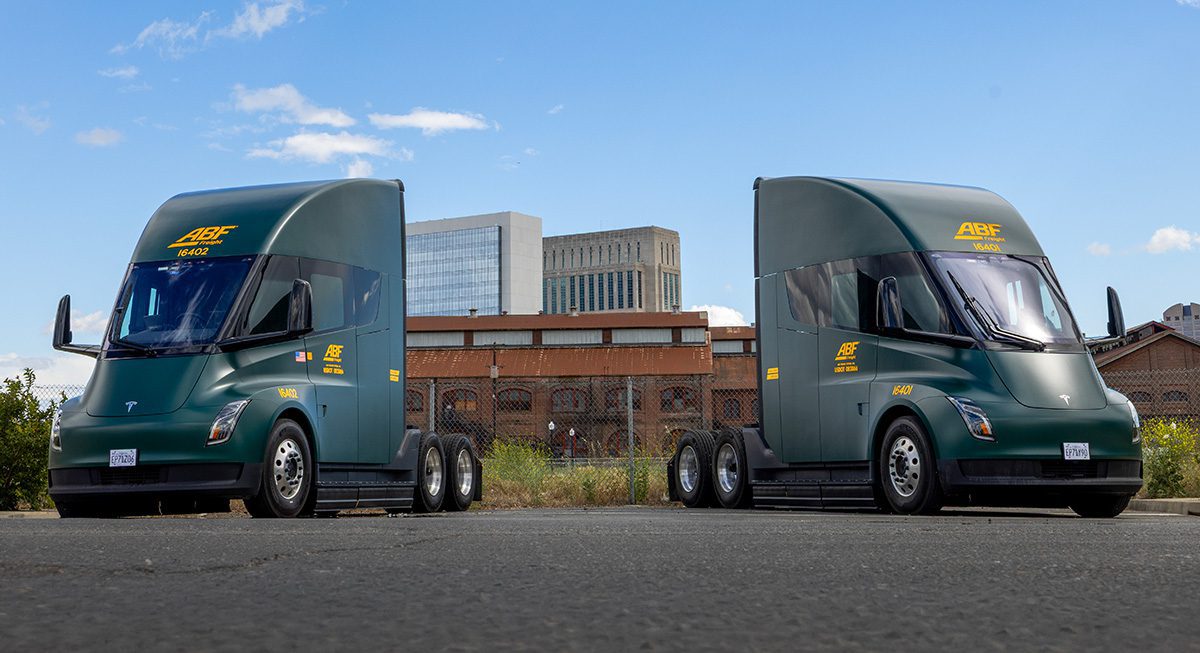
- Logistics firm ArcBest, through its less-than-truckload (LTL) carrier ABF Freight, has acquired two Tesla Semi Class 8 electric trucks.
- This acquisition marks an expansion of an earlier 2025 pilot program, which primarily focused on the Reno-Sacramento corridor.
- The next phase will assess the Tesla Semis’ performance across a broader operational network before any further investment decisions are made.
- Initial findings from the 2025 pilot indicated an average energy efficiency of approximately 1.55 kWh per mile and garnered positive driver feedback regarding visibility, comfort, and overall performance, even on challenging routes like the Donner Pass.
- ArcBest plans to benchmark these electric trucks against its existing diesel fleet, focusing on total cost of ownership, operational efficiency, safety, and employee experience to ensure they meet stringent company standards.
Fort Smith, Arkansas – In a significant move signaling a deepening commitment to sustainable logistics and fleet modernization, integrated logistics firm ArcBest has announced the acquisition of two Tesla Semi Class 8 electric trucks for its less-than-truckload (LTL) carrier, ABF Freight. This strategic purchase signifies an expansion of ArcBest’s exploratory efforts into heavy-duty electric vehicle technology, building upon insights gleaned from a successful 2025 pilot program.

The decision to incorporate Tesla Semis into its active fleet underscores ArcBest’s methodical approach to evaluating next-generation transportation solutions. The company aims to rigorously assess the electric trucks’ capabilities and operational fit within its extensive network, paving the way for potential future investments in sustainable freight transport.
Expanding the Electric Horizon: ABF Freight’s Strategic Move
ABF Freight, a core component of logistics firm ArcBest, is at the forefront of this evaluation, bringing the Tesla Semis into its demanding LTL operations. The less-than-truckload segment requires versatile and reliable vehicles capable of handling diverse routes and varying load sizes, making the integration of new electric technology a critical test of endurance and efficiency.
The acquisition represents a tangible step in exploring how electric Class 8 trucks can perform under the real-world pressures of a national freight network. For a prominent logistics firm like ArcBest, this initiative is not merely about adopting new technology but about ensuring its seamless integration without compromising the rigorous standards for service and efficiency its customers expect.

From Pilot to Broader Deployment: The 2025 Evaluation
The current phase of evaluation follows a preliminary pilot conducted by ArcBest in 2025. That initial test focused on specific, demanding routes, primarily within the Reno-Sacramento corridor. This geographical focus allowed ABF Freight to gather controlled data on the Tesla Semis’ performance in a defined operational environment.
With the acquisition of two additional units, ABF Freight is now poised to broaden the scope of its testing. This next phase will see the electric trucks deployed across a wider segment of the company’s network, exposing them to a greater variety of operating conditions, diverse terrains, and different driver groups. This expanded deployment is crucial for obtaining a comprehensive understanding of the Tesla Semis’ capabilities before significant capital commitments are made.
Benchmarking Performance: A Comprehensive Assessment
ArcBest’s approach to evaluating the Tesla Semis is rooted in a meticulous, data-driven methodology. The logistics firm plans to benchmark the electric trucks directly against its existing diesel-powered fleet, utilizing the same stringent criteria that guide all its fleet investments. This comparative analysis is designed to provide an objective assessment of the new technology’s viability.
The evaluation framework encompasses several key performance indicators. Paramount among these is the total cost of ownership (TCO), which considers not just the purchase price but also energy consumption, maintenance, and potential incentives. Beyond cost, the company will critically examine operational efficiency, safety protocols, and, significantly, the employee experience, ensuring that the transition to electric vehicles enhances rather than detracts from driver satisfaction and productivity.
Promising Initial Results: Energy Efficiency and Driver Endorsement
Early data from the 2025 pilot program has provided encouraging insights. The Tesla Semi achieved an impressive average energy efficiency of approximately 1.55 kWh per mile. This metric is a vital indicator for assessing the economic and environmental benefits of electric freight, offering a glimpse into the potential for reduced fuel costs and lower emissions.
Equally critical, feedback from the drivers involved in the pilot was overwhelmingly positive. Operators highlighted several key attributes, including enhanced visibility from the central driving position, superior comfort during long hauls, and robust overall performance. The trucks particularly excelled on challenging routes, such as the arduous 7,200-foot climb over the Donner Pass, demonstrating their power and reliability under demanding conditions.
The Road Ahead: Deeper Insights into Electric Truck Operations
Expanding the deployment of these Tesla Semis is expected to yield invaluable additional insights into their everyday performance. By integrating the electric trucks into a wider array of lanes and assigning them to different driver groups, ArcBest will gain a more holistic understanding of their reliability, range, and adaptability across varying operational scenarios. This iterative testing process is fundamental to de-risking significant investments in nascent electric truck technology.
Matt Godfrey, President of ABF Freight, articulated the strategic rationale behind this expansion: “Our 2025 pilot gave us valuable insight into how electric Class 8 equipment can perform in real-world LTL operations.” He further emphasized, “Adding Tesla Semis to our lineup allows us to expand that across more lanes and operating conditions to evaluate whether heavy-duty electric vehicles meet the same standards for safety, reliability and performance across our existing fleet.” This statement reinforces ArcBest’s commitment to ensuring that new technologies align with their established operational excellence and safety standards.
Navigating the Future of LTL Logistics with Electric Vehicles
The cautious yet progressive adoption of electric Class 8 trucks by a major logistics firm like ArcBest reflects a broader industry trend towards sustainability and operational innovation. The LTL sector, characterized by complex routing and frequent stops, presents unique challenges and opportunities for electric vehicle integration. While range anxiety and charging infrastructure remain considerations, ongoing evaluations by industry leaders are crucial for overcoming these hurdles.
This initiative by ArcBest provides vital real-world data that will inform not only its own future fleet decisions but also contribute significantly to the broader understanding of electric heavy-duty vehicle deployment. It underscores the importance of a phased approach to technology adoption, prioritizing thorough evaluation over rapid, unverified deployment.
Industry Implications and the Drive Towards Sustainability
The trucking industry, a substantial contributor to global emissions, is under increasing pressure to decarbonize. The evaluation of Tesla Semis by a logistics firm ArcBest is a critical development in this transition. Success in these rigorous tests could accelerate the widespread adoption of electric trucks, signaling a viable pathway for other freight carriers to follow suit.
Moreover, the focus on driver feedback and experience by ArcBest highlights a holistic understanding that technological advancement must also improve working conditions. As companies like ArcBest continue to test and refine their strategies for electric vehicle integration, they play a pivotal role in shaping a more sustainable and efficient future for the entire freight transportation sector.
Conclusion: A Strategic Leap Towards Sustainable Freight
ArcBest’s measured expansion of its Tesla Semi evaluation program through ABF Freight marks a strategic and responsible step towards integrating electric heavy-duty vehicles into mainstream logistics operations. By meticulously benchmarking performance across critical metrics like TCO, operational efficiency, safety, and employee experience, the logistics firm ArcBest is setting a high standard for assessing emerging technologies.
This systematic approach, moving from focused pilots to broader network deployment, is essential for validating the long-term viability and benefits of electric trucks within the demanding LTL environment. The outcomes of this expanded evaluation will undoubtedly provide valuable insights for ArcBest’s future fleet investments and contribute significantly to the industry’s collective journey towards a more sustainable and electrified future in freight transportation.
FAQ Section
What is the primary objective of ArcBest’s expanded Tesla Semi evaluation?
ArcBest aims to thoroughly assess the performance of Tesla Semi Class 8 electric trucks within its ABF Freight less-than-truckload (LTL) operations. The goal is to determine if these heavy-duty electric vehicles meet the company’s stringent standards for safety, reliability, operational efficiency, and total cost of ownership across a broader range of operating conditions before making significant future investments.
How many Tesla Semis has ArcBest acquired for this phase of evaluation?
Logistics firm ArcBest, through its subsidiary ABF Freight, has acquired two Tesla Semi Class 8 electric trucks for the expanded phase of its evaluation program. This builds upon insights gathered from an initial pilot program conducted in 2025, moving from a focused test corridor to a more comprehensive assessment across its network.
What were the key findings from the 2025 Tesla Semi pilot?
The 2025 pilot program, which focused on the Reno-Sacramento corridor, revealed promising results. The Tesla Semi achieved an average energy efficiency of approximately 1.55 kWh per mile. Furthermore, driver feedback was positive, highlighting the trucks’ visibility, comfort, and overall performance, even on challenging routes such as the 7,200-foot climb over the Donner Pass.
What criteria will ArcBest use to benchmark the Tesla Semis against its diesel fleet?
ArcBest will employ a comprehensive set of criteria to benchmark the Tesla Semis against its traditional diesel fleet. These include evaluating the total cost of ownership (TCO), assessing operational efficiency across various routes, ensuring adherence to rigorous safety standards, and analyzing the impact on employee experience and satisfaction. This ensures a holistic comparison.
Why is this evaluation by a logistics firm like ArcBest significant for the trucking industry?
This expanded evaluation by a major logistics firm ArcBest is crucial for the trucking industry as it provides real-world data on the viability and performance of electric Class 8 trucks in demanding LTL operations. Successful integration could accelerate the adoption of electric vehicles across the freight sector, contributing significantly to decarbonization efforts and shaping future industry standards for sustainable transport.