
Key Takeaways (TL;DR)
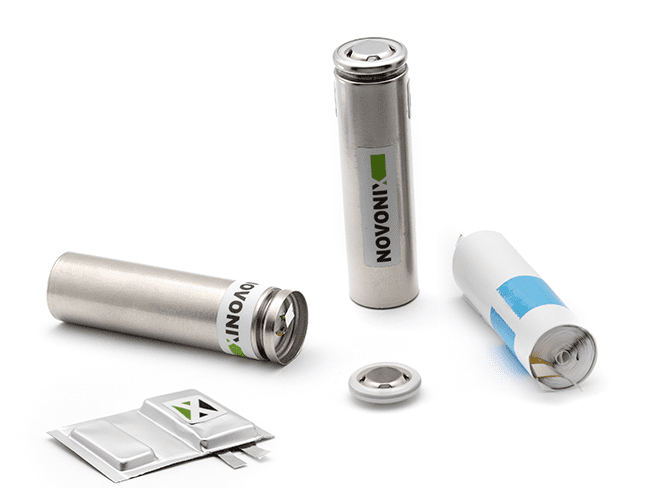
- NOVONIX has delivered a C-sample of its synthetic graphite anode active material (AAM) to Panasonic Energy, a crucial step in the automotive supply chain for mass production qualification.
- This marks the first known North American-produced synthetic graphite AAM C-sample, addressing the global concentration of production in China.
- The delivery signifies substantial progress towards establishing a secure and independent North American battery supply chain for electric vehicle manufacturing.
- While NOVONIX’s internal tests confirm the material meets Panasonic’s specifications, formal validation by Panasonic is pending over the coming months.
- Mass production for Panasonic, contingent on successful qualification, is anticipated to commence in the second half of 2027, bolstering domestic battery material capabilities.
In a significant development for the burgeoning electric vehicle (EV) industry and the broader clean energy transition, NOVONIX has successfully delivered a mass production qualification sample of its synthetic graphite anode active material (AAM) to Panasonic Energy. This crucial milestone, known as a ‘C-sample’ within the stringent automotive supply chain framework, represents a pivotal step towards securing a robust, US-sourced battery anode supply for Panasonic’s expansive cell manufacturing operations.

The delivery is particularly noteworthy as it marks the first known synthetic graphite AAM C-sample to be produced within North America. This achievement holds profound implications for regional supply chain independence, given that synthetic graphite, the dominant anode material in lithium-ion batteries, currently sees its production heavily concentrated in China. The domestic creation of such a critical material sample underscores real progress in diversifying and localizing the global battery materials ecosystem.
Understanding the C-Sample in Automotive Manufacturing
The automotive supply chain operates under a meticulously structured qualification process, where samples progress through distinct stages before achieving mass production approval. The ‘C-sample’ represents the final phase of this rigorous journey, indicating a mass production-intent sample that incorporates all design features, materials, and processes intended for high-volume manufacturing.
This stage follows the ‘A-sample,’ which is typically an initial development sample used for fundamental design validation and material selection. Subsequently, the ‘B-sample’ serves as a prototype, verifying the manufacturing process and initial performance characteristics. The C-sample, however, demands the highest level of scrutiny, reflecting the material’s readiness for large-scale integration into battery cells that power electric vehicles.
While the delivery of a C-sample is a monumental achievement, it is not the ultimate finish line. It signifies that the material, in this case, NOVONIX’s synthetic graphite anode, is now ready for comprehensive assessment by the customer under production-like conditions. This detailed validation ensures that the material consistently meets all performance, safety, and quality specifications required for high-volume automotive applications.
The Strategic Importance of Synthetic Graphite Anodes
Synthetic graphite anode active material is indispensable to modern lithium-ion batteries, which form the heart of electric vehicles. As an anode material, it plays a critical role in storing and releasing lithium ions during charge and discharge cycles, directly impacting a battery’s energy density, power output, and lifespan. Its widespread adoption stems from its excellent cycling stability, high efficiency, and cost-effectiveness compared to other anode materials.
The global EV revolution has intensified the demand for high-quality battery materials, including synthetic graphite. Historically, the production landscape for this essential component has been dominated by Asian manufacturers, particularly those in China. This concentration has raised concerns about supply chain vulnerabilities, geopolitical risks, and the overall resilience of the global electric vehicle ecosystem.
Developing domestic capabilities for synthetic graphite AAM is therefore a strategic imperative for nations and regions aiming to establish secure and resilient battery supply chains. It reduces reliance on external sources, mitigates potential supply disruptions, and fosters economic security through localized manufacturing and job creation.
Paving the Way for North American Supply Chain Resilience
NOVONIX’s successful delivery of a North American-produced C-sample represents a tangible step towards building greater self-sufficiency in the region’s battery material supply chain. This move aligns with broader national and industrial goals aimed at localizing critical components for electric vehicle manufacturing, moving away from an over-reliance on single geographic regions for essential raw materials and processed battery components.
The establishment of a secure North American battery supply chain is not merely an economic consideration; it is a strategic one that underpins national security and environmental objectives. By fostering domestic production, the United States aims to reduce its vulnerability to global market fluctuations and geopolitical tensions, ensuring a stable flow of materials necessary for the rapid expansion of its electric vehicle industry.
Furthermore, localizing the supply chain can contribute to more sustainable manufacturing practices by potentially shortening transportation distances and enabling stricter oversight of environmental and labor standards. This shift is crucial for realizing the full environmental benefits of the clean energy transition.
NOVONIX’s Progress and Future Outlook
NOVONIX has indicated that its internal testing of the synthetic graphite AAM demonstrates that the material meets Panasonic’s stringent specifications. This internal validation is a strong precursor, yet the definitive approval awaits Panasonic’s comprehensive assessment.
The company has reaffirmed its previous guidance, anticipating that mass production for Panasonic is expected to commence in the second half of 2027. This timeline, however, is contingent on the successful completion of Panasonic’s formal qualification process. The months ahead will be critical as Panasonic conducts its thorough evaluation, which typically involves rigorous performance testing, integration trials, and quality assurance checks across various battery cell formats.
Should the qualification proceed successfully, NOVONIX’s facility will play a vital role in supplying a significant portion of the anode material required for Panasonic’s North American battery production. This would not only be a commercial triumph for NOVONIX but also a landmark achievement for the regional battery manufacturing landscape, bolstering the entire North American battery supply chain.
Leadership’s Perspective on Domestic Supply
The importance of this development was highlighted by NOVONIX CEO Mike O’Kronley, who stated, “The delivery of a mass production C-sample to Panasonic is an important moment for NOVONIX and for the development of a secure North American battery materials supply chain.” His remarks underscore the strategic significance of this achievement beyond immediate commercial gains, positioning it as a foundational element in the broader goal of regional self-reliance.
O’Kronley further emphasised the long-term vision, adding, “We are now one step closer to realizing a fully domestic supply chain in the US.” This sentiment resonates with government initiatives and industry efforts aimed at building robust, end-to-end domestic supply chains for electric vehicle components, from raw material sourcing and processing to advanced battery manufacturing.
This collaboration between NOVONIX and Panasonic Energy exemplifies the critical partnerships forming to drive innovation and resilience in the North American automotive sector. As the demand for electric vehicles continues to surge globally, securing localized access to key battery materials like synthetic graphite anode active material becomes increasingly vital for sustained growth and technological leadership.
The Broader Implications for the EV Industry
This development sends a clear signal to the global electric vehicle industry regarding the increasing momentum behind regionalized supply chains. As geopolitical considerations and the drive for sustainability gain prominence, manufacturers are actively seeking to diversify their sourcing strategies and reduce dependencies on distant or single-point suppliers. A robust North American battery supply chain offers greater predictability, reduced logistical complexities, and enhanced quality control.
The success of companies like NOVONIX in scaling advanced manufacturing processes for critical battery components is essential for the ongoing expansion of gigafactories and EV production facilities across the continent. This not only supports job creation and economic development but also ensures that the clean energy transition is powered by reliable, domestically produced materials.
Ultimately, the journey from initial research and development to the delivery of a mass production C-sample, and eventually to full-scale manufacturing, is complex and capital-intensive. NOVONIX’s progress with Panasonic Energy demonstrates a viable pathway for other battery material innovators to contribute to a more resilient and geographically diversified global battery supply chain, crucial for the future of electric mobility.
Frequently Asked Questions (FAQ)
What is a C-sample in the automotive supply chain?
A C-sample is a mass production-intent sample of a component, signifying it incorporates all final design features and manufacturing processes. It is the last stage of qualification before mass production approval, following earlier development (A-sample) and prototype (B-sample) stages. Its delivery triggers the customer’s final, rigorous validation.
Why is synthetic graphite important for lithium-ion batteries?
Synthetic graphite is the dominant anode active material (AAM) in lithium-ion batteries. It is crucial for storing and releasing lithium ions during battery operation, directly influencing the battery’s energy density, power capability, and cycle life. Its consistent performance and cost-effectiveness make it a preferred choice.
Why is North American production of synthetic graphite significant?
Global production of synthetic graphite is heavily concentrated in China, creating supply chain vulnerabilities. North American production, as demonstrated by NOVONIX, enhances regional supply chain independence, reduces geopolitical risks, fosters economic security, and supports the rapid growth of the domestic electric vehicle manufacturing sector.
What is the next step after a C-sample delivery?
After a C-sample delivery, the customer (in this case, Panasonic Energy) conducts a formal and thorough assessment over several months. This validation includes rigorous testing to ensure the material consistently meets all specified performance, safety, and quality standards before granting approval for mass production. This is a critical validation period.
When is NOVONIX expected to begin mass production for Panasonic?
NOVONIX expects to begin mass production of its synthetic graphite anode active material for Panasonic Energy in the second half of 2027. This timeline is contingent upon the successful completion of Panasonic’s ongoing qualification process and formal validation of the C-sample material. The next year will be key for final approvals.