
Key Takeaways:
Corvus Energy has secured orders to supply its Orca Energy Storage System (ESS) for two new hybrid river cruise vessels, the Riviera Reflection and Harmonie, being built for Scylla Shipping. This latest deployment expands Corvus battery systems to a total of 15 Scylla ships, underscoring a growing commitment to sustainable maritime operations.

The Orca ESS facilitates peak shaving, allowing smaller generators to run more efficiently, significantly reducing fuel consumption, emissions, and noise. It also enables emission-free port operations and provides crucial power for demanding maneuvers in locks and canals, aligning with stringent European inland navigation standards (ES-TRIN).
Advancing Hybrid Propulsion in Inland Waterways
In a significant stride towards more sustainable maritime operations, Corvus Energy, a leading provider of maritime battery systems, has announced new contracts to equip two additional river cruise vessels for Scylla Shipping with its advanced Orca Energy Storage System (ESS). These new orders signify a growing commitment within the European inland navigation sector to reduce environmental impact and enhance operational efficiency through advanced hybrid technologies.
The integration of Corvus battery systems into the new vessels, named the Riviera Reflection and the Harmonie, will bring the total number of Scylla ships utilizing Corvus technology to an impressive 15. This extensive adoption highlights Scylla Shipping’s pioneering role in embracing electrification for its fleet, setting a precedent for environmental responsibility in river cruising.

The Orca ESS: A Cornerstone of Efficient Operation
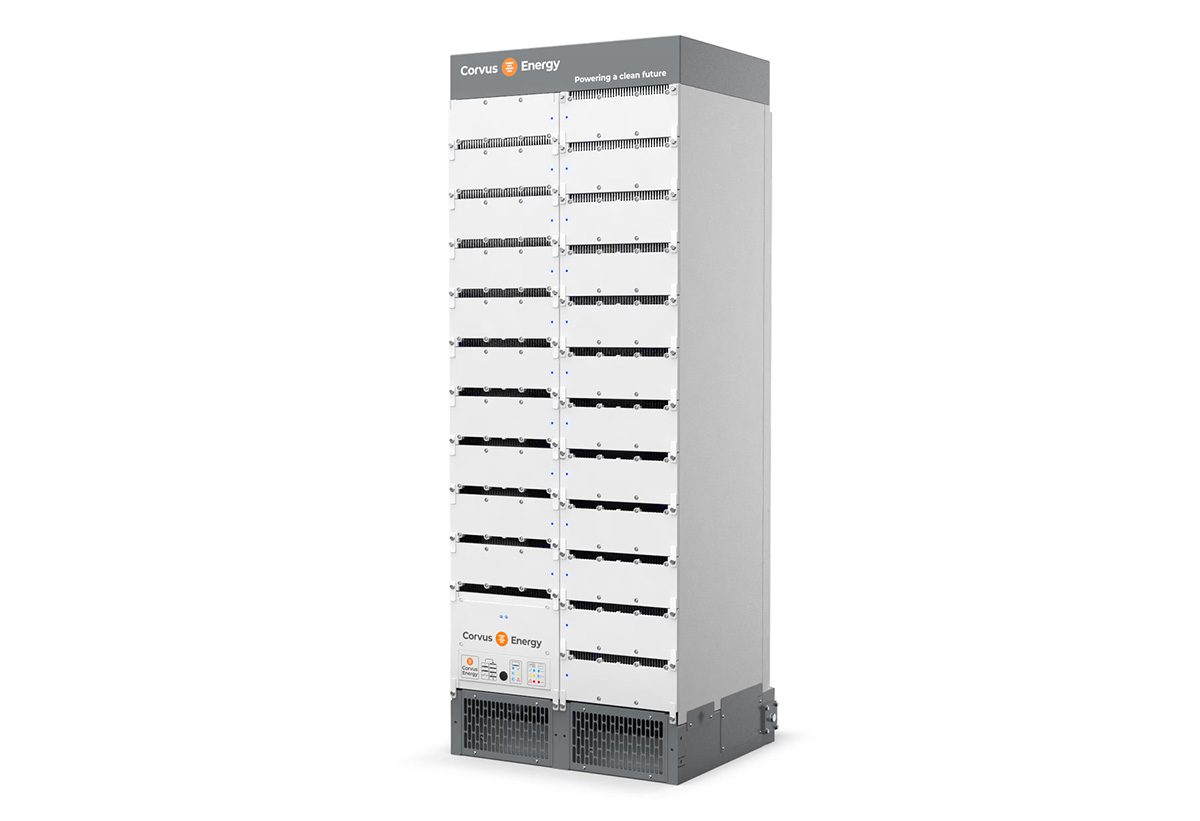
The Orca Energy Storage System is a modular lithium-ion battery solution renowned for its robust performance and flexibility. Designed specifically for the maritime industry, the Orca ESS meets rigorous safety and operational standards, making it an ideal choice for the demanding environment of river navigation.
For these particular vessels, the Orca system has received approval under ES-TRIN, the European Standard for Technical Requirements for Inland Navigation vessels. This crucial certification confirms that the battery systems comply with the stringent safety, design, and performance criteria mandated for vessels operating on Europe’s intricate network of inland waterways, ensuring reliability and regulatory adherence.
Powering Efficiency Through Peak Shaving
A primary function of the Orca ESS on the Riviera Reflection and Harmonie is peak shaving. This innovative application allows the battery system to absorb demand spikes, such as those generated by hotel loads or bow-thruster operations, which typically require oversized generators to handle intermittent high power needs.
On conventional diesel-electric vessels, generators are often sized to accommodate these peak demands, leading to frequent operation at low, inefficient loads. By absorbing these power spikes, the Corvus battery system enables a single, smaller generator set to operate within its most efficient range, significantly optimizing fuel consumption and reducing the overall environmental footprint.
Emission-Free Operations and Enhanced Maneuverability
Beyond peak shaving, the integrated battery systems provide several critical operational advantages. They enable the river cruisers to enter and moor in ports for shorter periods with zero emissions, a feature becoming increasingly vital as urban areas along rivers implement stricter environmental regulations.
Furthermore, the batteries supply additional power during critical maneuvers such as lock operations and canal transits. These scenarios often require precise control and bursts of power, and the immediate availability of battery power enhances both the safety and efficiency of these complex navigation phases, contributing to smoother journeys for passengers.
Reducing Environmental Impact and Operational Costs
The operational benefits extend to significant reductions in engine wear and operating hours. By allowing generators to run consistently at optimal loads and minimizing frequent starts and stops, the lifespan of the engines is prolonged, leading to lower maintenance costs and greater operational longevity.
Corvus Energy emphasizes that this hybrid approach substantially cuts fuel consumption and lowers emissions, contributing directly to cleaner air and a quieter environment. The reduction in noise is particularly beneficial for passengers and crew onboard, as well as for communities situated along the rivers, enhancing the overall experience of sustainable river cruising.
The successful deployment of Corvus battery systems on other Scylla vessels, including the river cruiser Serene, further validates the proven efficiency and reliability of this technology in daily operation. This track record provides confidence in the continued expansion of battery-powered vessels within the Scylla fleet.
Industry Leaders on the Path to Emission-Free Sailing
The collaboration between Corvus Energy and Scylla Shipping underscores a shared vision for a greener future in maritime transport. Industry experts recognize the profound potential for reducing the environmental impact of inland waterway operations through electrification.
Koen Boerdijk, Corvus’s Vice President of Sales for Benelux and the UK, highlighted Scylla Shipping’s proactive stance, stating, “There is enormous potential for reducing emissions from inland waterway transport, and Scylla Shipping is clearly leading the way. These new orders underline the proven efficiency of our battery systems in daily operation.” His comments reflect the robust performance and reliability that Corvus Energy’s solutions bring to the sector.
Bart Vos, Scylla’s Technical Director of Newbuild and Renovation, reiterated the company’s commitment to advancing its fleet’s sustainability. “Through further electrification and the use of advanced battery systems, we are taking concrete steps toward emission-free sailing,” Vos remarked. He further elaborated on the operational advantages: “The combination of generator optimization and battery support makes our ships more efficient, more sustainable and ready for the future.”
These sentiments from both companies emphasize the strategic importance of hybrid propulsion and energy storage systems in achieving long-term sustainability goals within the maritime industry. The continuous adoption of such advanced solutions by Scylla Shipping represents a significant push towards a more environmentally conscious era of river cruising, showcasing a viable pathway for broader maritime electrification.
The Future of Sustainable River Cruising
The increasing integration of energy storage systems in vessels like the Riviera Reflection and Harmonie demonstrates a clear trend in the global maritime sector. As environmental regulations tighten and public awareness of climate change grows, the demand for green shipping solutions is accelerating.
These developments in hybrid vessel technology are not only about compliance but also about enhanced operational performance, reduced running costs, and a commitment to providing a superior, quieter, and cleaner travel experience for passengers. The expansion of Corvus Energy’s battery systems across the Scylla fleet positions both companies at the forefront of this crucial transition.
The journey towards fully emission-free sailing on inland waterways is complex, involving technological innovation, regulatory adaptation, and significant investment. However, partnerships like that between Corvus Energy and Scylla Shipping exemplify how targeted electrification efforts can lead to tangible and immediate benefits, paving the way for a more sustainable future for the entire inland navigation industry.
Source: Corvus Energy
Frequently Asked Questions
What is the Corvus Orca Energy Storage System (ESS)?
The Corvus Orca ESS is a modular lithium-ion battery system designed for maritime applications. It provides efficient and reliable energy storage, supporting hybrid propulsion by handling peak loads, enabling emission-free operations, and enhancing overall vessel efficiency on inland waterways.
How do the batteries contribute to emission reduction?
By enabling peak shaving, the batteries allow smaller diesel generators to run at optimal, more efficient loads, significantly reducing fuel consumption. This optimization directly translates to lower greenhouse gas emissions and particulate matter, contributing to cleaner air and quieter environments.
What is ES-TRIN certification and why is it important?
ES-TRIN (European Standard for Technical Requirements for Inland Navigation vessels) is a standard setting safety, design, and performance criteria for vessels on European inland waterways. Certification ensures the Corvus Orca system meets stringent European regulatory requirements for battery systems, guaranteeing safe and reliable operation.
How many Scylla Shipping vessels now use Corvus battery systems?
With the addition of the Riviera Reflection and Harmonie, Corvus Energy’s battery systems are now installed on a total of 15 vessels within the Scylla Shipping fleet. This extensive deployment highlights Scylla’s commitment to adopting sustainable and efficient hybrid propulsion technologies.
What are the operational benefits of hybrid propulsion for river cruisers?
Hybrid propulsion offers multiple benefits, including reduced fuel consumption, lower emissions, and decreased engine wear due to optimized generator operation. It also allows for emission-free port stays, reduced noise levels, and enhanced power delivery during critical maneuvers like lock operations and canal transits.
How does peak shaving improve vessel efficiency?
Peak shaving uses the battery system to provide power during high-demand moments, preventing the need for oversized generators that typically run inefficiently at low loads. This allows a smaller generator to operate consistently within its most efficient range, saving fuel and reducing operational costs.