
Key Takeaways:
- Tesla Insurance is offering up to a 10% premium discount in Texas and Arizona for drivers actively using Full Self-Driving (FSD).
- To qualify for the maximum discount, FSD must be engaged for 50% or more of driving miles.
- The financial benefit of the discount may not offset the significant cost of acquiring the FSD software.
- The initiative aims to boost FSD usage and data collection, reinforcing Tesla’s strategic pivot towards being an ‘AI company’.
- Despite the discount, consumers are advised to compare Tesla Insurance rates with other providers due to reported pricing and service concerns.
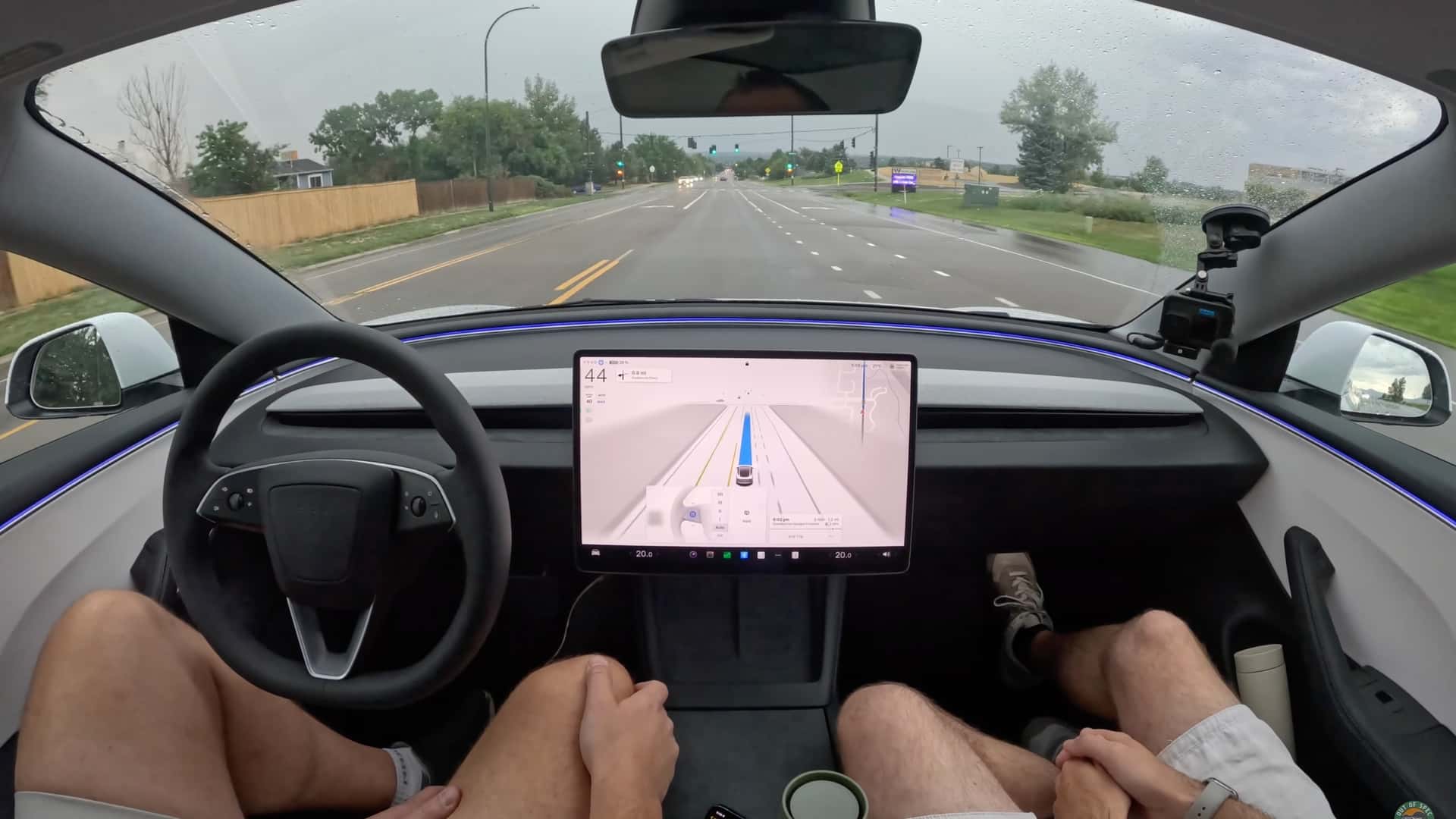
In a significant move aimed at bolstering the adoption and usage of its advanced driver-assistance system, Tesla is now offering insurance premium discounts to customers who actively use its Full Self-Driving (FSD) software. This strategic incentive, currently available to eligible drivers in Texas and Arizona, underscores the electric vehicle manufacturer’s commitment to accelerating the deployment of its autonomous technology, which CEO Elon Musk has positioned as central to the company’s future as an ‘AI company’.
The introduction of these discounts by Tesla Insurance, the company’s proprietary insurance arm, highlights a crucial period for the automaker. With global sales facing headwinds, a contracting share of the electric vehicle (EV) market, and declining profits, the widespread acceptance and proven capabilities of **Tesla Full Self-Driving** are seen as vital for its long-term valuation and strategic direction.
The New FSD Insurance Discount Program
The specific details of the new insurance program were recently highlighted following an announcement on Tesla’s official website. As first noted by Tesla-focused X influencer Sawyer Merritt and subsequently discussed on the Cybertruck forum, the initiative provides a tangible financial incentive for FSD users.
Currently, the program’s reach is limited to customers residing in Texas and Arizona. For those in these states who are insured through Tesla Insurance and have the **Tesla Full Self-Driving** option installed in their vehicles, a discount of up to 10% on their insurance premium is now attainable.
Eligibility and Usage Requirements
To qualify for this incentive, Tesla owners must first possess the Full Self-Driving feature, which carries a substantial upfront cost of $8,000 or a monthly subscription fee of $99. This initial investment means that acquiring FSD solely for the insurance discount is unlikely to be financially beneficial in the short or even medium term, as recouping this expenditure through premium savings could take years.
The discount itself is tiered, directly correlating with the proportion of driving miles accumulated while FSD is actively engaged. Tesla has stipulated that to achieve the maximum 10% discount, drivers must operate their vehicles with FSD enabled for 50% or more of their total mileage. This requirement represents a significant ask, considering the current capabilities and limitations of the system in various real-world driving scenarios.
Tesla’s Strategic Imperative for Full Self-Driving
The emphasis on increasing FSD usage is not merely about customer loyalty; it is deeply intertwined with Tesla’s ambitious vision and its ongoing efforts to secure a dominant position in the future of autonomous mobility. Elon Musk has frequently articulated a narrative that redefines Tesla not just as a car manufacturer, but as a pioneering artificial intelligence company.
At the core of this transformation is the **Tesla Full Self-Driving** software suite. Its successful development and deployment are viewed as critical milestones that could unlock new revenue streams, such as robotaxi services, and dramatically enhance the company’s valuation. The current financial pressures, including market share contraction and profit dips, only heighten the urgency for FSD to deliver on its promise.
Challenges and Regulatory Scrutiny
Despite its name, Full Self-Driving is not an autonomous system in the traditional sense. Regulatory bodies and a significant segment of consumers remain skeptical about its ability to deliver true, unsupervised self-driving capabilities. The system still requires constant human supervision, and drivers remain legally responsible for the vehicle’s operation at all times.
Reports and user experiences often highlight the system’s difficulties in navigating complex driving environments, such as roundabouts or distinguishing between different types of one-way roads. These limitations contribute to the hesitancy among some users to fully embrace the technology, especially for extensive periods, which makes the 50% usage requirement for the maximum discount particularly challenging.
The Safety Narrative and Data Transparency
For years, Tesla and its CEO have asserted that FSD, and its broader Autopilot system, are safer than human driving. These claims have often been supported by selectively presented data, drawing criticism from safety advocates and experts who demand more comprehensive and independently verifiable data to substantiate such assertions. The original system, designed primarily for freeway use, inherently benefited from more favorable per-mile accident statistics compared to urban driving.
This new insurance discount program can be seen as Tesla’s attempt to put its money where its mouth is, by financially incentivizing the use of a system it claims is safer. However, given that Tesla Insurance is a wholly owned subsidiary, the motivations are likely multifaceted, encompassing both a belief in FSD’s safety benefits and a strong marketing imperative to encourage greater adoption and data generation for its autonomous system.
Navigating Tesla Insurance: What Consumers Should Know
While the FSD discount might seem appealing, potential customers should exercise due diligence before committing to Tesla Insurance. Anecdotal evidence from numerous online forums and individual reports suggests that Tesla Insurance premiums can, in many cases, be higher than those offered by traditional insurers. Furthermore, a key concern for many is the company’s practice of automatically reporting aggressive driving behaviors, which can lead to significantly increased rates.
Reports from reputable news outlets, including Reuters, along with numerous customer complaints, have also highlighted challenges with Tesla Insurance’s customer service. While customer service issues are not unique to Tesla, prospective policyholders are strongly advised to research thoroughly and compare quotes from multiple providers to make an informed decision that best suits their needs and budget, even with the FSD discount in play.
Broader Business Context and Future Aspirations
The move to incentivize FSD usage comes at a pivotal time for Tesla. The company is grappling with various market challenges, including a slowdown in EV sales growth, increasing competition from established automakers and new entrants, and a general cooling of the initial fervor surrounding its products, such as the Cybertruck. The long-promised, more affordable Tesla models have yet to materialize, leaving shareholders searching for new catalysts.
In this landscape, **Tesla Full Self-Driving** remains a critical component of the company’s future growth narrative. Elon Musk’s projection of an ‘unsupervised’ FSD ride-sharing service launching in June serves as a significant beacon for investors, positioning the technology as a key differentiator and a potential new pillar of profitability.
Ultimately, the insurance discount program is a multi-pronged strategy. It aims to collect more real-world driving data, familiarize more users with the FSD system, and perhaps, more importantly for the company, inject renewed enthusiasm and confidence in its autonomous driving ambitions among both consumers and shareholders. Whether a 10% discount is enough to significantly ‘move the needle’ for mass adoption and validate the costly system remains to be seen, but it certainly signals Tesla’s unwavering commitment to its autonomous future.
FAQ Section
Q1: What is the maximum discount offered by Tesla Insurance for Full Self-Driving usage?
A1: Tesla Insurance offers up to a 10% discount on premiums for eligible drivers. To receive this maximum discount, Tesla owners must utilize the Full Self-Driving feature for at least 50% of their total driving miles, demonstrating consistent engagement with the advanced driver-assistance system.
Q2: In which states is the Full Self-Driving insurance discount currently available?
A2: The Full Self-Driving insurance discount program is presently available only to Tesla owners who are residents of Texas and Arizona. Tesla has not yet announced plans to expand this specific discount offering to other states, but its insurance operations are expanding.
Q3: Is it financially advisable to purchase Full Self-Driving solely for the insurance discount?
A3: Generally, no. The Full Self-Driving feature costs $8,000 upfront or $99 per month. The potential insurance savings, even at 10%, are unlikely to offset this significant investment quickly, making it a questionable financial decision if the discount is the sole motivator.
Q4: Does using Tesla’s Full Self-Driving system make my car fully autonomous?
A4: No. Despite its name, Tesla’s Full Self-Driving system is not a fully autonomous technology. It is a sophisticated driver-assistance system that requires constant and vigilant supervision from the driver, who remains responsible for the vehicle’s operation at all times.
Q5: What are some potential downsides of using Tesla Insurance, even with the FSD discount?
A5: Some reported downsides include potentially higher premiums compared to other insurers, the system’s capability to report aggressive driving habits which can increase rates, and anecdotal complaints regarding customer service. It is crucial for consumers to compare rates and research thoroughly.
Q6: Why is Tesla incentivizing Full Self-Driving usage with insurance discounts?
A6: Tesla is incentivizing FSD usage to gather more real-world driving data, increase adoption of the software, and reinforce its narrative as an AI company. This move is part of a broader strategy to accelerate FSD development and potentially unlock future revenue streams like autonomous ride-sharing.
Q7: What are the current market conditions impacting Tesla’s focus on FSD?
A7: Tesla is currently facing declining sales, a shrinking share of the global EV market, reduced profitability, and fading hype around new models like the Cybertruck. These factors increase the strategic importance of **Tesla Full Self-Driving** as a key differentiator and future growth driver.