
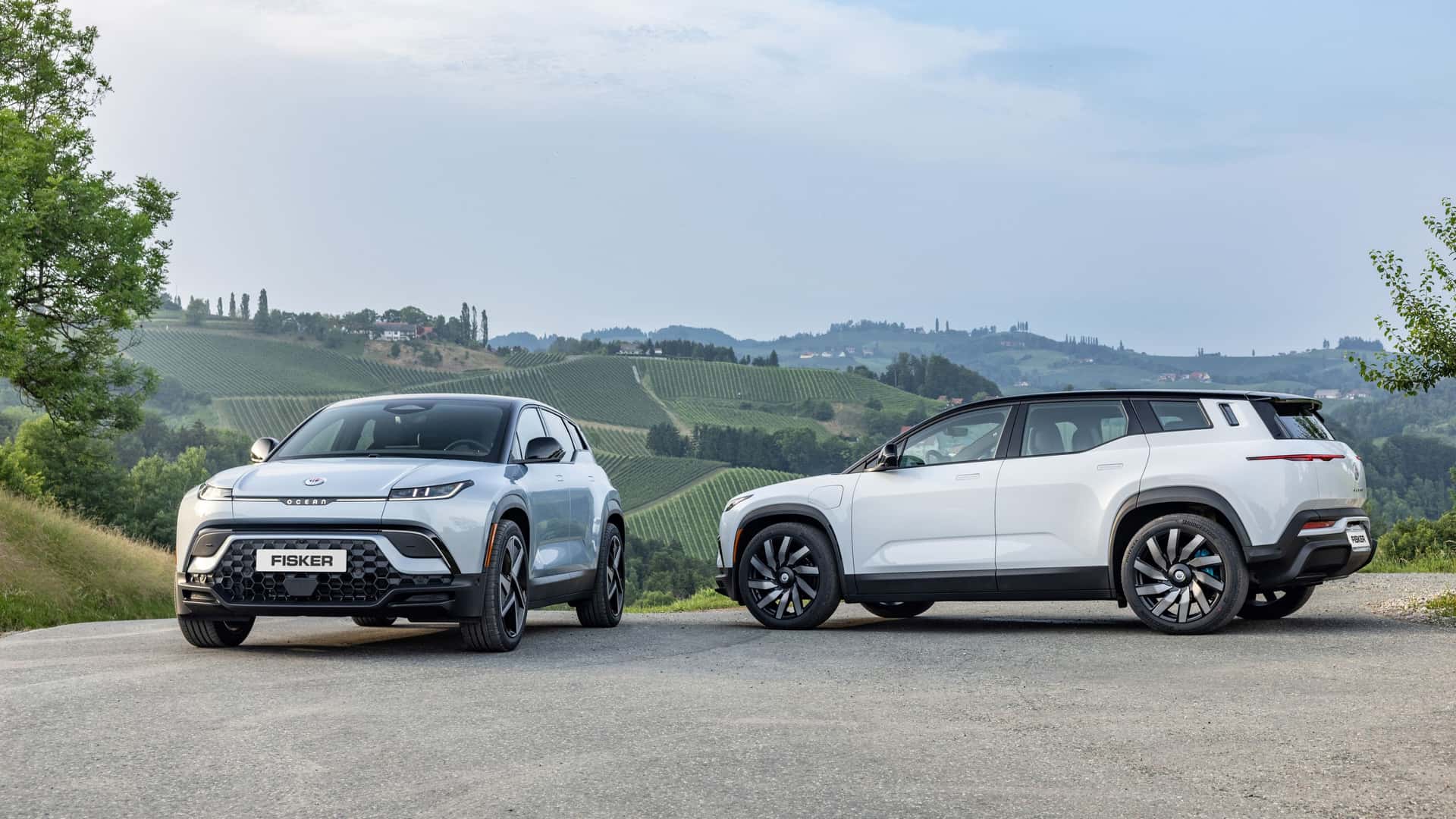
In a significant development for the electric vehicle (EV) industry, Fisker, the California-based EV startup, is reportedly preparing for a potential bankruptcy filing. A recent report from The Wall Street Journal indicates that the company has engaged restructuring advisors, a move often preceding such a financial reorganisation. This revelation follows Fisker’s earlier communication to investors, where it acknowledged “substantial doubt” regarding its ability to meet financial obligations without a critical cash infusion.
The news underscores the severe challenges facing Fisker, founded by automotive designer Henrik Fisker. The company has grappled with a confluence of production hurdles, an ineffective sales strategy, and a broader softening in the electric vehicle market, leading to a precarious financial standing.

Key Takeaways: Fisker’s Financial Turmoil
- Fisker is reportedly consulting with bankruptcy advisors, signaling potential insolvency.
- The EV startup had previously warned investors about its inability to meet financial duties without fresh capital.
- Despite producing approximately 10,000 Ocean electric crossovers, only about half have been sold.
- The company faces over a billion dollars in debt, according to its last financial filing.
- Fisker’s share price has plummeted over 97% since its initial public offering.
- Ongoing issues include production cuts, a regulatory probe over braking problems, and highly critical product reviews.
- Fisker is actively seeking a strategic partnership with a major automaker and transitioning to a dealer sales model.
Mounting Financial Pressures and Debt Burden
Fisker’s financial health has been a growing concern, culminating in its recent disclosure of “substantial doubt” about its ability to continue as a going concern. This official statement, made to investors, highlighted the urgent need for a significant cash injection to sustain operations and meet its various financial commitments.
The company’s last filing revealed a staggering sum of over a billion dollars in debt. Such a substantial debt load places immense pressure on the EV manufacturer, requiring robust sales performance and efficient operations to generate the revenue needed for repayment and ongoing investment. Without a substantial turnaround or external financial aid, the path to solvency appears increasingly challenging for Fisker.
Production Woes and Sales Headwinds Impacting Fisker
Despite its ambitious entry into the burgeoning EV sector, Fisker has struggled with the fundamental aspects of automotive business: production and sales. The company’s supplier, Magna, has manufactured approximately 10,000 units of the Fisker Ocean electric crossover. However, only around 5,000 of these vehicles have found buyers, indicating a significant disconnect between supply and demand.

The launch of the Ocean last summer coincided with a period of slackening demand across the wider electric vehicle market. Factors such as high interest rates, inflationary pressures, and evolving consumer preferences contributed to a more challenging sales environment than anticipated, impacting new entrants like Fisker disproportionately. This market shift, combined with internal challenges, forced Fisker to implement production cuts in December, a direct response to weak demand and an unoptimised sales model.
Operational Challenges and Critical Reviews
Beyond market dynamics, the Fisker Ocean has encountered several high-profile issues that have marred its market reception. These challenges have ranged from software glitches to hardware inconsistencies, contributing to customer dissatisfaction and negative publicity. Such issues are particularly detrimental for new automotive brands attempting to establish trust and reliability.
Adding to its woes, Fisker is currently facing a regulatory probe specifically concerning braking issues with the Ocean model. Investigations into vehicle safety are critical, potentially leading to recalls or further scrutiny, which can severely impact consumer confidence and the company’s reputation. Furthermore, the vehicle received a scorching review from a prominent tech reviewer, widely known for their influential opinions on new technologies. Such a highly visible, negative critique can significantly sway public perception and sales prospects, making it harder for the company to attract new customers.
Strategic Shifts Amidst Crisis: Dealer Model and Partnerships
In an attempt to recalibrate its market approach and address persistent sales challenges, Fisker is reportedly seeking to pivot its business model. The company aims to transition from its initial direct-sales approach to a more traditional dealer partnership model, a strategy often employed by established automakers. This shift, if successful, could potentially expand its reach and sales network more effectively, leveraging existing dealership infrastructures.
Concurrently, Fisker is actively pursuing a strategic partnership with a larger, established automaker. Such a collaboration could provide critical financial investment, manufacturing expertise, and a broader distribution network, which are all vital for its survival. While rumors have surfaced about potential interest from Nissan, the specific benefits such a deal would offer to a major OEM remain unclear, especially given Fisker’s current liabilities and operational complexities. Even Magna, the contract production company responsible for building the Ocean, has listed its business with Fisker as a financial risk, underscoring the severity of the situation.
Stock Market Performance and Asset Limitations
The financial distress surrounding Fisker has been starkly reflected in its stock market performance. Since its initial public offering, the company’s share price has plummeted by over 97%, indicating a profound loss of investor confidence and market valuation. This dramatic decline serves as a critical indicator of the deep-seated skepticism among investors regarding Fisker’s long-term viability and its ability to execute its business plan effectively.
Adding to the company’s challenges is the absence of any new product close to production, which further limits future revenue streams and market excitement. Moreover, because the Fisker Ocean is manufactured by Magna in Austria, the company lacks a U.S. production facility. This disadvantage means that its vehicles do not qualify for federal tax credits available to EVs produced domestically, placing them at a competitive disadvantage in a price-sensitive market segment. These factors collectively paint a grim picture for Fisker’s future prospects, suggesting the company is in increasingly stormy waters.
Fisker’s Official Stance
In response to the circulating reports concerning its potential bankruptcy preparations, Fisker issued an official statement. While refraining from directly confirming or denying the specifics of the reports, the company emphasized its ongoing strategic efforts.
The statement read: “As a matter of company policy, Fisker does not comment on market rumors and speculation. However, Fisker often works with outside advisors to help manage its business and assist in developing and executing strategies. does not comment on market rumors and speculation. Fisker is focused on raising additional capital and engaging in a strategic partnership with a large automaker. The company is also continuing to pursue its shift to a Dealer Partnership model in both North America and Europe. The leadership team is laser-focused on these efforts.” This response highlights the company’s focus on securing vital capital and restructuring its sales and operational models to navigate the current crisis.
Looking Ahead: An Uncertain Road
Fisker’s reported preparations for a potential bankruptcy filing mark a critical juncture for the struggling EV startup. The confluence of a billion-dollar debt, significant production and sales shortfalls, critical product reviews, and a challenging electric vehicle market has created an extremely difficult environment. While the company pursues a strategic partnership and a shift to a dealer-centric sales model, the clock is ticking.
The path forward for Fisker remains highly uncertain. The ability to secure a crucial cash infusion or a transformative partnership will be instrumental in determining whether the company can steer itself out of its current financial storm or if it will ultimately succumb to the pressures that have beset many aspiring automotive manufacturers throughout history.
Frequently Asked Questions (FAQ) About Fisker’s Financial Situation
Q1: Is Fisker going bankrupt?
A1: According to a report by The Wall Street Journal, Fisker is preparing for a possible bankruptcy filing and has hired restructuring advisors. The company had previously expressed “substantial doubt” about meeting its financial obligations without additional capital, indicating severe financial distress.
Q2: Why is Fisker facing bankruptcy?
A2: Fisker’s challenges stem from multiple issues, including significant debt (over $1 billion), weak sales of its Ocean electric crossover, production cuts due to low demand, high-profile product issues, a regulatory probe over braking, and a generally softening electric vehicle market.
Q3: How many Fisker Ocean vehicles have been sold?
A3: Fisker’s supplier, Magna, has produced approximately 10,000 units of the Ocean electric crossover. However, only about half of these vehicles, around 5,000, have been sold, reflecting challenges in market acceptance and sales execution.
Q4: What is Fisker doing to avoid bankruptcy?
A4: Fisker has stated it is focused on raising additional capital and engaging in a strategic partnership with a large automaker. The company is also actively pursuing a shift from its direct-sales model to a Dealer Partnership model in both North America and Europe to improve sales reach.
Q5: What is the significance of Fisker’s stock price drop?
A5: Fisker’s share price has fallen over 97% since its initial public offering. This dramatic decline signifies a profound loss of investor confidence and market valuation, reflecting widespread skepticism about the company’s financial stability and future prospects.
Q6: Does Fisker qualify for U.S. federal EV tax credits?
A6: No, the Fisker Ocean does not qualify for U.S. federal EV tax credits. This is because its manufacturing is contracted out to Magna in Austria, meaning it lacks a U.S. production facility, a key requirement for the federal incentives.