
Key Takeaways:
- Electric vehicle (EV) startup Fisker is reportedly preparing for a potential bankruptcy filing, according to a recent investigation by The Wall Street Journal.
- The company has engaged restructuring advisors to assist with navigating its substantial financial challenges and potential insolvency proceedings.
- This development follows Fisker’s earlier disclosure to investors, expressing “substantial doubt” about its capacity to meet financial obligations without a significant cash infusion.
- Fisker faces a confluence of challenges, including lower-than-anticipated sales of its flagship Ocean electric crossover, production cutbacks, a reported pivot from its direct-sales model to a dealership network, and a formidable debt load estimated at a billion dollars.
- The company’s stock value has experienced a precipitous decline, plummeting over 97% since its initial public offering (IPO), reflecting significant investor apprehension regarding Fisker’s financial future.
- Manufacturing partner Magna has flagged its business relationship with Fisker as a financial risk, further underscoring the precarious situation.
- In response, Fisker is actively pursuing strategies to raise additional capital and seeking a strategic partnership with a larger, established automaker to secure its long-term viability.
Mumbai, India – In a significant development for the embattled electric vehicle (EV) startup sector, Fisker is reportedly undertaking preparations for a potential bankruptcy filing, according to an extensive report published by The Wall Street Journal. The news, emerging on March 13, 2024, has sent ripples through the automotive industry, highlighting the intense financial pressures faced by new entrants in the increasingly competitive electric vehicle market.
Sources indicate that Fisker, founded by renowned automotive designer Henrik Fisker, has proactively engaged a team of restructuring advisors. These experts are tasked with assisting the company through the intricate processes associated with a potential bankruptcy, signaling the severity of Fisker’s current financial predicaments. This strategic move follows prior warnings issued by Fisker to its investors, where it acknowledged “substantial doubt” regarding its ability to meet all its financial commitments in the absence of a critical cash injection.
Mounting Financial Challenges and Operational Hurdles
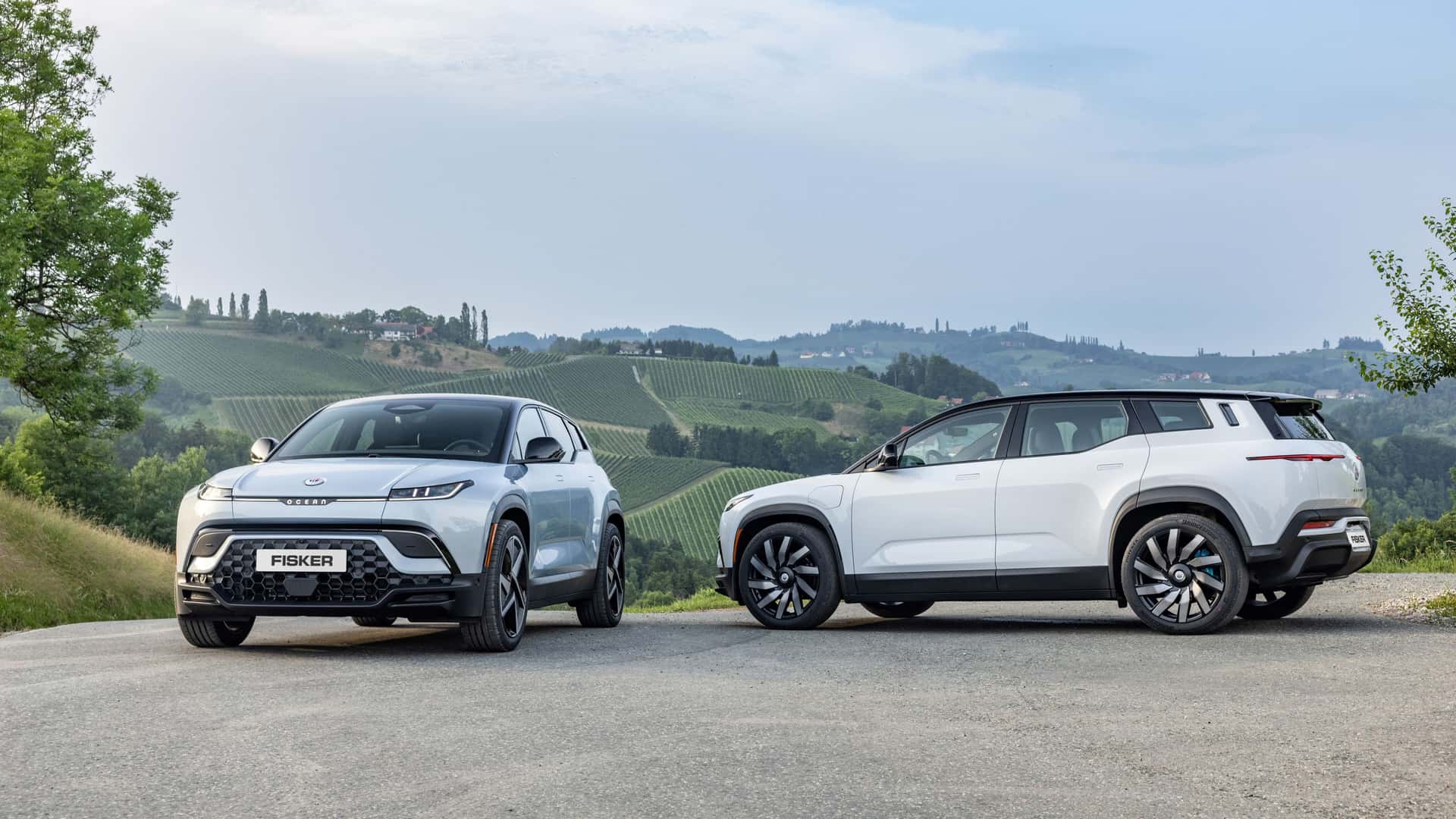
The path for Fisker has been fraught with challenges since the launch of its sole product, the Ocean electric crossover. While the company’s supplier, Magna, has produced approximately 10,000 units of the vehicle, sales figures reveal a stark reality: only about half of these units have been sold. This sluggish sales performance is attributed, in part, to a broader trend of slackening demand within the electric vehicle market, which began to emerge last summer, coinciding with the Ocean’s market debut.
Beyond market dynamics, the Fisker Ocean has also grappled with high-profile issues that have marred its public image and operational efficiency. These include a regulatory probe initiated over reported braking issues, raising concerns about vehicle safety and compliance. Furthermore, the vehicle received a particularly critical assessment from a prominent global technology reviewer, amplifying negative perceptions in a market heavily influenced by expert opinions and user experiences.
In response to persistent weak demand and an initially ineffective direct-sales model, Fisker was compelled to scale back its production in December 2023. *The Wall Street Journal* report suggests that the company is actively exploring a strategic shift from its direct-to-consumer sales approach towards a more traditional dealer partnership model. However, the feasibility of successfully executing such a significant transition amidst its current financial distress remains uncertain.
Fisker’s Official Stance and Strategic Pursuits
In the wake of reports concerning its engagement with bankruptcy advisors, Fisker issued a statement addressing the market speculation. The company emphasized its policy of not commenting on rumors but clarified its operational approach. The statement, updated on March 15, 2024, reads: “As a matter of company policy, Fisker does not comment on market rumors and speculation. However, Fisker often works with outside advisors to help manage its business and assist in developing and executing strategies. does not comment on market rumors and speculation. Fisker is focused on raising additional capital and engaging in a strategic partnership with a large automaker. The company is also continuing to pursue its shift to a Dealer Partnership model in both North America and Europe. The leadership team is laser-focused on these efforts.”
This official communication underscores Fisker’s proactive efforts to secure its financial future through two primary avenues: the injection of additional capital and the formation of a strategic alliance with a major automotive manufacturer. These initiatives are critical lifelines as the company navigates its precarious financial landscape.
A Billion-Dollar Debt and Eroding Investor Confidence
Fisker’s last financial filing revealed a substantial debt burden, amounting to approximately one billion dollars. This colossal sum necessitates a massive volume of Ocean sales to achieve financial stability, a prospect that appears increasingly challenging given the current sales trajectory and market conditions. The pursuit of a partnership with a larger automaker, as mentioned in Fisker’s statement, is therefore not merely a growth strategy but a crucial survival mechanism.
Industry speculation has linked Nissan as a potentially interested party in such a partnership. However, analysts question the tangible benefits a legacy automaker like Nissan might derive from an association with a struggling EV startup like Fisker, particularly one with significant existing liabilities and operational challenges. Further highlighting the precarious nature of Fisker’s operations, its manufacturing partner, Magna, a global contract production company also producing vehicles for established OEMs like Mercedes, has explicitly listed its business with Fisker as one of its financial risks.
Market Performance and Future Prospects
The impact of Fisker’s financial struggles has been acutely felt in the stock market. *The Wall Street Journal* reported that the company’s share price has plummeted by over 97% since its initial public offering (IPO). This dramatic decline reflects a profound loss of investor confidence and a pessimistic outlook on Fisker’s ability to achieve long-term profitability and sustainability.
Adding to these concerns, Fisker currently has no new product offerings nearing production. This lack of a robust product pipeline further complicates its competitive positioning in a rapidly evolving EV market where continuous innovation and fresh models are key to maintaining consumer interest. Moreover, a significant disadvantage for the company stems from its manufacturing arrangement: since its vehicles are produced by Magna in Austria, Fisker lacks a U.S. production facility. This absence means its vehicles do not qualify for crucial federal tax credits offered in the United States, putting them at a price disadvantage compared to domestically produced EVs.
As Fisker grapples with these multi-faceted challenges, the engagement of bankruptcy advisors indicates a sobering assessment of its financial health. The coming months will be critical for the EV startup as it strives to secure necessary capital and forge strategic alliances to navigate these stormy waters and potentially avert a bankruptcy filing.
Frequently Asked Questions (FAQ)
What is the latest development regarding Fisker’s financial situation?
According to The Wall Street Journal, Fisker is reportedly preparing for a potential bankruptcy filing. The company has hired restructuring advisors to help manage its severe financial challenges, indicating a serious assessment of its current economic viability and future operations in the electric vehicle market.
Why is Fisker facing these financial difficulties?
Fisker’s financial struggles stem from several factors, including lower-than-expected sales of its Ocean electric crossover, broader slackening demand in the EV market, and operational issues. The company also carries approximately a billion dollars in debt and has seen its share price fall significantly since its IPO, eroding investor confidence.
What did Fisker say in response to the bankruptcy reports?
Fisker stated that it does not comment on market rumors and speculation. However, the company confirmed that it works with outside advisors to manage its business and is actively focused on raising additional capital and forming a strategic partnership with a large automaker, alongside pursuing a shift to a dealer partnership model.
What is the status of the Fisker Ocean electric crossover?
Approximately 10,000 Fisker Ocean units have been produced by its supplier, Magna, but only about half have been sold. The vehicle has faced scrutiny due to a regulatory probe over braking issues and received critical reviews, contributing to weak market demand and forcing production cuts.
How has Fisker’s stock performed?
Fisker’s share price has experienced a dramatic decline, falling over 97% since its initial public offering (IPO). This significant drop reflects a widespread lack of investor confidence in the company’s financial stability and its long-term prospects within the highly competitive electric vehicle industry.
What strategic moves is Fisker making to avoid bankruptcy?
Fisker is attempting to raise additional capital to address its debt and operational needs. Concurrently, it is seeking a strategic partnership with a larger, established automaker. The company is also exploring a transition from its direct-sales model to a more traditional dealer network in both North America and Europe to boost sales.